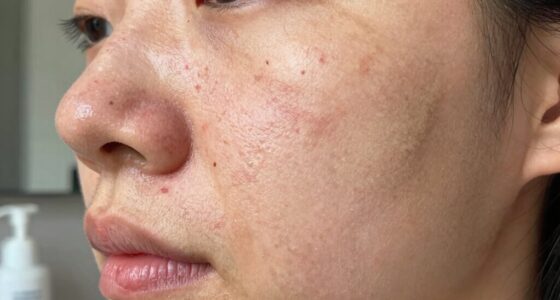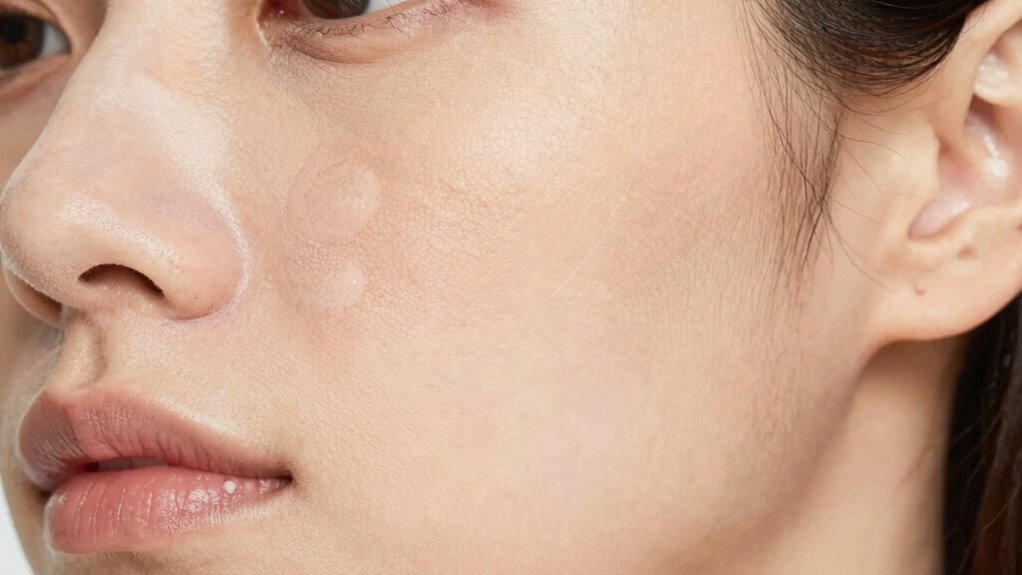

To tell if your skin is dry, dehydrated, or both, pay attention to how it feels and reacts. Dry skin tends to feel rough, tight, and flaky, even after moisturizing, indicating a lack of natural oils. Dehydrated skin feels dull, tight, or itchy and improves slightly with water-based hydration, but still feels tight. If you notice signs of both, your skin needs a balanced approach. Keep exploring to discover how to properly care for your skin type.

Get beauty and skincare favorites delivered free with Prime
- Fast, free delivery on millions of items
- Prime Video, Amazon Music and more included
- Member-only deals all year
Key Takeaways
- Dry skin feels rough, flaky, and tight even after moisturizing, indicating a lack of oil and lipids.
- Dehydrated skin appears dull, tight, and itchy, improving temporarily with hydration but not fully resolving.
- Dry skin often requires richer, oil-based moisturizers; dehydrated skin benefits from water-based hydrating products.
- Skin can be both dry and dehydrated; observe how it responds to different products for accurate diagnosis.
- Using a combination of nourishing oils and humectants helps address both conditions effectively.
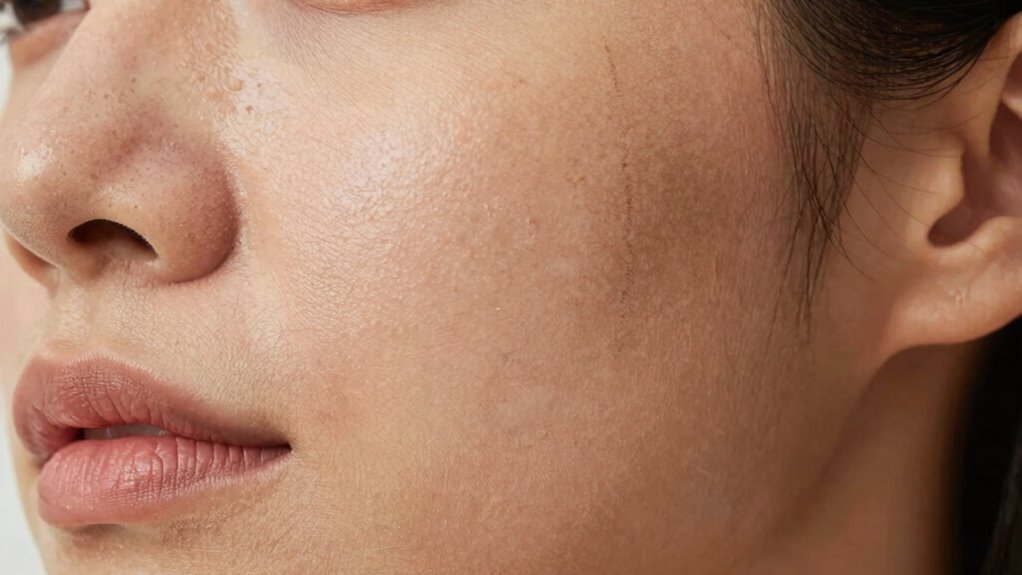
Understanding the difference between dry and dehydrated skin can help you choose the right skincare approach. While they might seem similar, they have distinct causes and require different treatments. Dry skin is a skin type caused by a lack of oil production. It often feels rough, flaky, or tight, especially after cleansing or exposure to cold weather. Dehydrated skin, on the other hand, is a condition where your skin lacks water. It can happen to anyone, regardless of skin type, and often feels dull, tight, or itchy. Recognizing which one you’re dealing with is key to selecting effective skincare routines.
Understanding dry versus dehydrated skin helps tailor your skincare for a healthier, more radiant complexion.
To tell whether your skin is dry or dehydrated, pay close attention to how it reacts throughout the day. If your skin feels tight and rough regardless of how much moisturizer you apply, you might have dry skin. It’s more about a deficiency in natural oils, which means your skin needs richer, oil-based moisturizer ingredients like shea butter, jojoba oil, or ceramides. These ingredients help replenish your skin’s lipids, creating a barrier that locks in moisture and prevents further dryness. If, instead, your skin feels tight but improves slightly after hydration, you might be dehydrated. Dehydrated skin benefits from water-based products, such as hyaluronic acid or glycerin, to boost water content. These ingredients attract moisture into your skin cells, giving you that plump, refreshed look. Additionally, skin hydration levels can fluctuate based on environmental factors and lifestyle choices, making it important to monitor your skin’s response over time. Understanding skin barrier health can also help you better manage skin hydration issues.
Your skincare routines should adapt based on what your skin needs. For dry skin, focus on nourishing and sealing in existing moisture with thicker creams and oils. Incorporate moisturizer ingredients that repair and strengthen your skin’s barrier, like niacinamide or ceramides, which help prevent water loss. Using appropriate skincare products tailored to your skin type can significantly improve its condition. For dehydrated skin, switch to lighter, water-based serums and toners that hydrate without feeling heavy. Drinking plenty of water also plays a vital role in maintaining hydration from within. Sometimes, using a humidifier in dry environments can help keep your skin moist and prevent dehydration.
Keep in mind that skin can be both dry and dehydrated simultaneously, especially if your skin’s barrier is compromised. In such cases, combining strategies—using hydrating ingredients like hyaluronic acid alongside emollients and occlusives—can be most effective. Always observe how your skin responds to different products, and adjust your skincare routines accordingly. Understanding your skin’s unique needs and choosing the right moisturizer ingredients can make a significant difference in improving its health and appearance. Ultimately, recognizing whether your skin is dry, dehydrated, or both ensures you’re giving it what it truly needs, leading to a more balanced, radiant complexion.
As an affiliate, we earn on qualifying purchases.
Frequently Asked Questions
Can Dry and Dehydrated Skin Occur Simultaneously?
Yes, dry and dehydrated skin can happen at the same time. Your skin type might be naturally dry, but dehydration from factors like weather or skincare can worsen it. Dehydration reduces your skin’s hydration levels, making dry skin feel even more parched. Recognizing this combo helps you adjust your skincare routine, using hydrating products to boost moisture and nourishing treatments to support your skin’s natural barrier.
Do Skincare Products Work Differently for Dry Versus Dehydrated Skin?
Think of your skin as a garden: dry skin is like parched soil needing moisture, while dehydrated skin is like a wilted plant craving water. Skincare products work differently because their formulation and ingredient differences target these needs. For dry skin, rich emollients form a barrier, while hydrating ingredients like hyaluronic acid replenish water in dehydrated skin. Choose products tailored to your skin’s specific thirst to restore its natural glow.
How Often Should I Moisturize if My Skin Is Dry or Dehydrated?
You should moisturize at least twice daily if your skin is dry or dehydrated. Consistent moisturizer frequency helps maintain skin hydration habits and prevents moisture loss. In the morning, apply a lightweight moisturizer to start your day, and at night, use a richer formula for deeper hydration. Throughout the day, reapply as needed, especially if your skin feels tight or looks dull. Regular moisturizing keeps your skin balanced and healthy.
Are Natural Remedies Effective for Dry or Dehydrated Skin?
You might find that natural remedies like herbal remedies and essential oils can be effective for dry or dehydrated skin. Coincidentally, many people notice improvements when they incorporate soothing ingredients such as chamomile or rosehip oil into their routines. These remedies can nourish and hydrate your skin naturally, but it’s essential to choose pure, quality products. Always patch-test first, and remember, consistency makes all the difference.
Can Diet Influence Whether Skin Is Dry or Dehydrated?
Yes, your diet impact can influence whether your skin is dry or dehydrated. If you’re lacking essential nutrients like vitamins A, C, E, and omega-3 fatty acids, you may develop nutrient deficiency that leads to dryness or dehydration. Eating a balanced diet rich in fruits, vegetables, nuts, and healthy fats helps hydrate your skin from within, improving its moisture and overall health.
Conclusion
Your skin is like a garden—sometimes it needs water, sometimes it just needs the right nourishment. Recognizing whether it’s dry, dehydrated, or both helps you tend to it properly. Think of your skin as a mirror of your overall health; when you give it the care it needs, it blooms with vigor. Remember, understanding your skin’s language is the first step toward nurturing a radiant, balanced glow that reflects your inner well-being.
Fall Picks
fall essentials
As an affiliate, we earn on qualifying purchases.