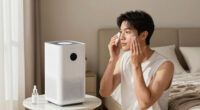
When using a scalp massager, you should focus on gentle, controlled pressure. Too much force can quickly turn a relaxing experience into irritation or damage to your scalp and hair follicles. Pay attention to how your scalp responds—redness, soreness, or pain are signs you’re pressing too hard. Adjust your technique accordingly to enjoy the benefits without harm. Stick around to learn more about how to find the perfect pressure for your scalp.
Key Takeaways
- Gentle, rhythmic pressure enhances relaxation but excessive force can cause scalp redness, soreness, or pain.
- Listening to scalp signals helps prevent overstimulation and ensures safe, comfortable use.
- Starting with low device pressure and gradually increasing allows safe adjustment to personal comfort.
- Proper technique involves moderate pressure to balance relaxation and avoid damage.
- Regularly monitoring scalp response ensures massage remains soothing rather than harmful.
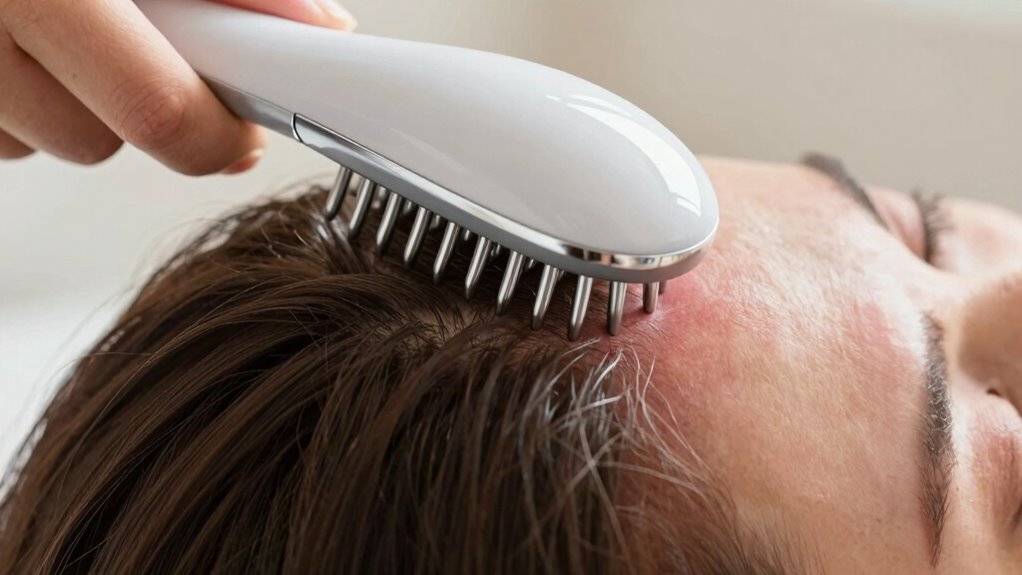
Have you ever wondered how a simple device can transform your daily hair care routine? Scalp massagers are becoming more popular, and for good reason. They offer a quick, effective way to boost hair stimulation, which can promote healthier growth and improve scalp health. When used correctly, these devices can turn an ordinary moment into a relaxing ritual, helping you unwind while supporting your hair’s vitality. But it’s essential to understand that pressure is where ‘relaxing’ turns into ‘too much,’ and overdoing it can be counterproductive.
Gentle scalp massage boosts hair health; avoid overdoing it to prevent irritation and maximize benefits.
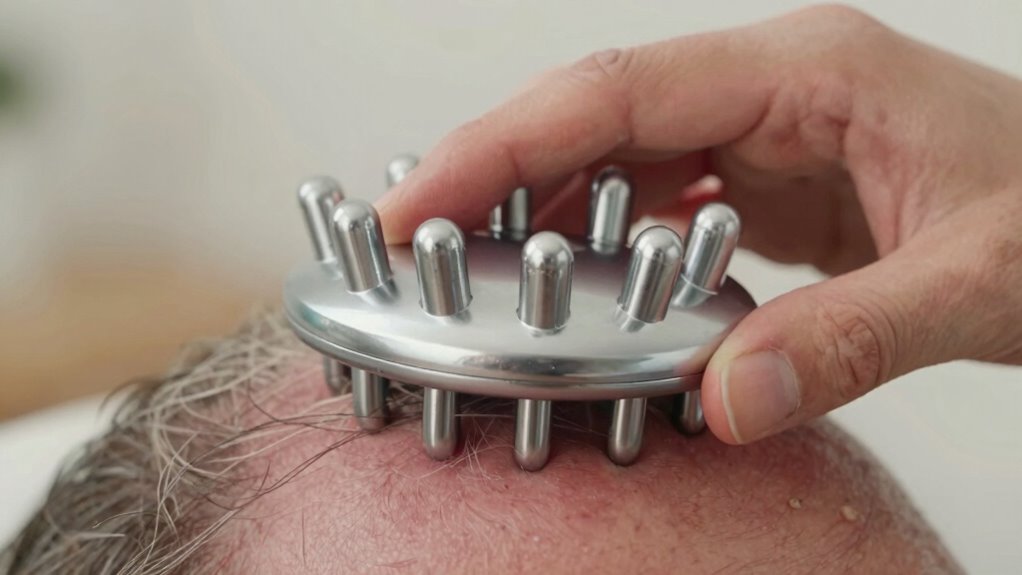
As you use a scalp massager, you might notice how gentle, rhythmic movements can stimulate blood flow beneath your scalp, encouraging hair follicles to stay healthy. This increased circulation delivers oxygen and nutrients more efficiently, which benefits both hair growth and scalp health. It’s tempting to press firmly or massage aggressively, but too much pressure can cause irritation, discomfort, or even damage to delicate skin and hair follicles. The goal is to find a balance—apply enough pressure to get the benefits of hair stimulation without crossing into discomfort.
When you start using a scalp massager, pay close attention to how your scalp responds. If you notice redness, soreness, or persistent pain, it’s a sign you’re pressing too hard. Instead, focus on gentle, controlled movements that mimic a soothing massage. Think of it as giving your scalp a light, relaxing touch rather than a deep tissue massage. Regular, moderate use can enhance your scalp’s health over time, helping to reduce buildup, improve circulation, and stimulate hair follicles without risking irritation. Proper scalp stimulation techniques are essential to optimizing your routine and avoiding overstimulation. Additionally, understanding how scalp health impacts overall hair vitality can motivate consistent, mindful use. Incorporating gentle pressure ensures you maximize benefits while minimizing potential harm. Achieving this balance can also prevent scalp irritation, which may hinder your hair growth goals.
It’s also worth considering the type of scalp massager you choose. Some devices offer multiple speeds and pressure settings, allowing you to customize your experience based on your comfort level. Starting with a low setting and gradually increasing pressure as your scalp adapts can help prevent overstimulation. Remember, the goal isn’t to imitate a professional massage with intense pressure but to enjoy a gentle, invigorating experience that supports your hair and scalp health.
In the end, a scalp massager should feel like a relaxing, restorative tool. Keep your pressure moderate, listen to your body, and don’t rush the process. When used wisely, it can become a valuable addition to your hair care routine—one that encourages hair stimulation, promotes scalp health, and offers a calming moment in your busy day. Just remember: pressure is where ‘relaxing’ turns into ‘too much,’ so be gentle and attentive to your scalp’s signals.
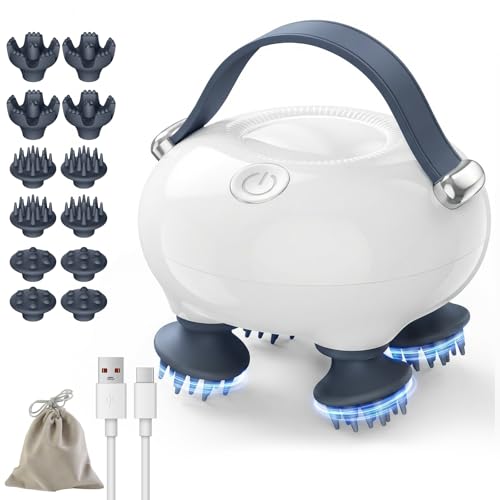
IOOKNA Scalp Massager, Head Massager Scalp with Tangle-Resistant Design, Portable Head Massager, Hair Massagers with 12 Massage Heads, 3 Modes, Mothers Day Gifts, Father Day Gifts for Mom, Dad
- Tangle-Free Silicone Heads: Gentle, comfortable scalp massage
- 3 Adjustable Speeds: Switch between low, high, alternating
- Long Battery Life: Up to 120 minutes per charge
As an affiliate, we earn on qualifying purchases.
As an affiliate, we earn on qualifying purchases.
Frequently Asked Questions
Are Scalp Massagers Suitable for Sensitive Skin?
Yes, scalp massagers can be suitable for sensitive skin if you choose the right one. Look for models with gentle bristles and adjustable pressure settings to prevent irritation. If you have skin sensitivity or are prone to allergic reactions, test the massager on a small skin area first. Always use a soothing scalp oil or lotion to reduce discomfort, and avoid excessive pressure to keep your scalp comfortable.
How Often Should I Use a Scalp Massager?
You should typically use a scalp massager two to three times a week, allowing your scalp time to relax and recover. Focus on gentle, soothing massage techniques, avoiding excessive pressure that could cause discomfort or damage. Pay attention to your scalp pressure, adjusting your grip if needed. Regular use can boost circulation and promote relaxation, but overdoing it might lead to irritation, so moderation is key for a calming, comfortable massage experience.
Can Scalp Massagers Help With Hair Growth?
Yes, scalp massagers can help with hair growth by boosting scalp stimulation, which encourages blood flow to hair follicles. This increased circulation can promote hair thickness over time. Using a scalp massager regularly, but not excessively, helps stimulate hair roots and supports healthy growth. Just be gentle with pressure, as too much can irritate your scalp and hinder progress, so listen to your body’s signals.
Are Battery-Operated or Manual Scalp Massagers Better?
Think of your scalp as a garden needing just the right touch. Battery-operated massagers are like a steady rain, offering consistent pressure but can run out of juice; their durability varies. Manual massagers are your hands, providing versatility and control, allowing you to adapt pressure easily. Choose based on your preference for convenience versus tactile control—both can nurture your scalp’s health if used mindfully.
What Safety Precautions Should I Take With Scalp Massagers?
To stay safe with scalp massagers, always check product durability before use, ensuring there are no loose parts or damage. Use gentle pressure to prevent scalp irritation or injury, and avoid overusing to prevent discomfort. Follow maintenance tips like cleaning the device regularly and charging it properly. This keeps your scalp massager functioning well and helps you enjoy relaxing sessions without risking harm or device failure.
Conclusion
As you gently cradle your scalp with a massager, remember that comfort is a delicate balance. Too much pressure transforms a soothing escape into a jarring jolt, like a sudden gust disrupting a tranquil breeze. Trust your instincts and listen to your body’s signals. When used with care, your scalp massager becomes a gentle tide, ebbing and flowing with relaxation, rather than crashing against the shores of overstimulation. Find that sweet spot, and let calm wash over you.