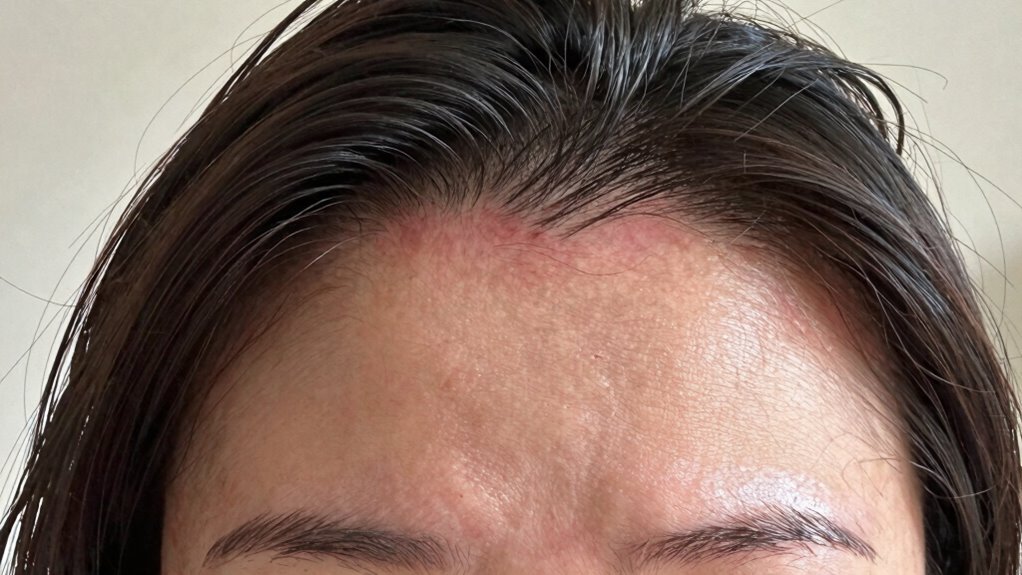

If your scalp feels tender after styling, it’s often from physical stress, like pulling or tugging, or from product irritation and buildup that clog pores and cause inflammation. Heat tools, strong styling products, and frequent manipulation weaken your scalp’s natural defenses over time. Poor hygiene and external factors like pollution can also worsen sensitivity. By understanding these causes, you can take steps to better care for your scalp and prevent discomfort—there’s more to discover if you keep exploring.

Get beauty and skincare favorites delivered free — and shop member deals
- Fast, free delivery on millions of items
- Access to Prime Big Deal Days deals on October 6–7
- Prime Video, Amazon Music and more included
Key Takeaways
- Hair styling techniques and heat tools can cause scalp inflammation or irritation due to physical stress.
- Styling products with chemicals may trigger allergic reactions or sensitivity, leading to tenderness.
- Frequent manipulation and tight styles increase tension on scalp tissues, resulting in soreness.
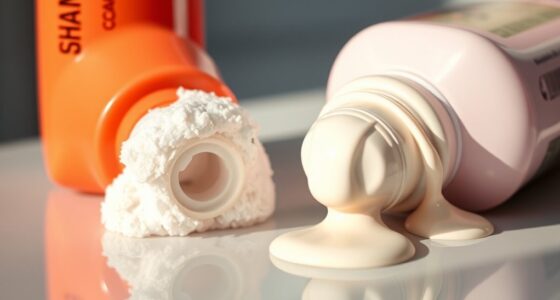
- Buildup of products, oils, and dead skin can clog follicles, causing inflammation and discomfort.
- External factors like pollution and weather can worsen scalp sensitivity after styling.
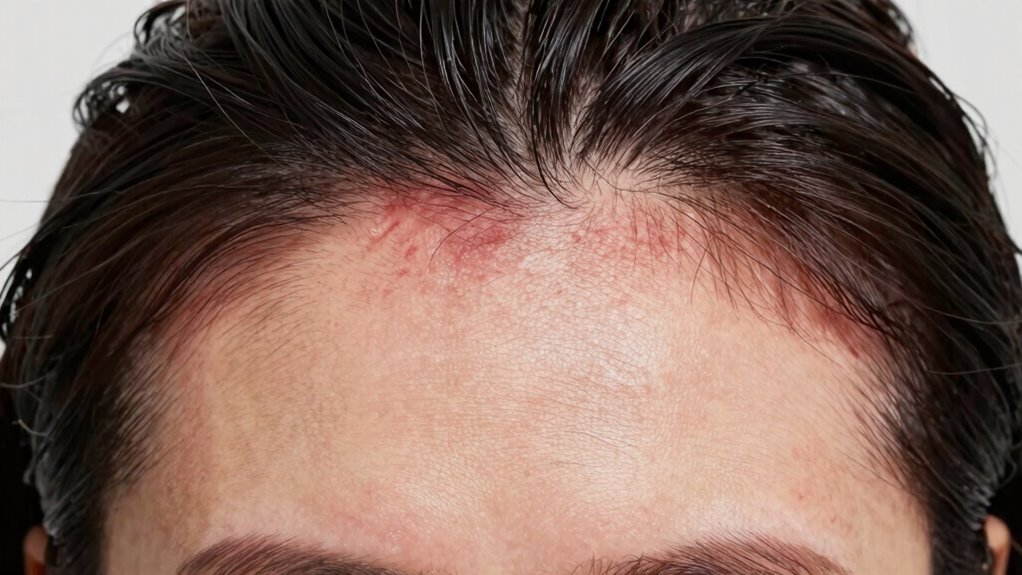
If you’ve recently styled your hair and notice your scalp is tender or sore, you’re not alone. Many people experience scalp sensitivity after styling, and it can be quite uncomfortable. The good news is that most of the time, this tenderness is temporary and linked to the styling impact you’ve had on your scalp. When you manipulate your hair—whether through brushing, blow-drying, curling, or straightening—it can put stress on your scalp’s delicate skin. This stress can lead to inflammation or irritation, especially if you’re using heat tools regularly or applying strong styling products.
Your scalp is a sensitive area, and certain styling practices can amplify that sensitivity. For example, pulling hair tightly into ponytails, buns, or braids can cause tension on your roots and scalp tissue. The constant pulling disrupts the natural balance, leading to soreness or even mild inflammation. Additionally, the chemicals in styling products—such as hairsprays, gels, or dyes—can sometimes cause allergic reactions or irritate your scalp, making it more tender than usual. If you’ve recently changed products or used a new brand, this could be contributing to your discomfort.
Tight styles and new products can increase scalp sensitivity and irritation, leading to soreness and discomfort.
The impact of styling doesn’t stop at just the tension or chemical irritation. Frequent heat styling, like flat ironing or curling, can dry out your scalp and damage the hair follicles. This damage often results in heightened scalp sensitivity, where even slight touch or pressure feels uncomfortable. Over time, repeated styling impact accumulates, weakening your scalp’s natural defenses and making it more prone to soreness. This is especially true if you don’t give your scalp enough time to recover between styling sessions. Proper scalp care can help mitigate some of these effects and promote healing.
Additionally, scalp health plays a significant role in how your scalp responds to styling, emphasizing the importance of maintaining overall scalp well-being.
Another factor to consider is scalp buildup. When styling products, oils, and dead skin cells accumulate, they can clog hair follicles, leading to inflammation and tenderness. Poor scalp hygiene or infrequent washing can exacerbate this issue, making your scalp more reactive to styling impacts. If your scalp is already inflamed or irritated, any additional styling stress can heighten tenderness, creating a cycle of discomfort. Additionally, scalp sensitivity can be worsened by environmental factors such as pollution or harsh weather conditions. Maintaining a balanced scalp environment is crucial for reducing irritation and promoting overall scalp health.
As an affiliate, we earn on qualifying purchases.
Frequently Asked Questions
Can Scalp Tenderness Be a Sign of a Scalp Infection?
Yes, scalp tenderness can be a sign of a scalp infection. If you notice persistent pain, redness, or swelling, it’s important to take into account scalp hygiene and recent hair treatments, as poor hygiene or harsh products can cause irritation or infections. Avoid aggressive hair treatments, keep your scalp clean, and see a dermatologist if symptoms worsen, to ensure proper diagnosis and treatment.
Does Scalp Tenderness Indicate Hair Loss or Thinning?
Scalp tenderness doesn’t necessarily mean hair loss or thinning, but it can be an early sign of both. If your scalp feels sensitive and you notice hair thinning, it’s worth paying attention. Tenderness may result from scalp inflammation or irritation, which can contribute to hair thinning over time. It’s best to consult a dermatologist to determine the cause and get appropriate treatment, especially if these symptoms persist.
Are There Specific Hairstyles That Cause More Scalp Tenderness?
Ever wonder if some hairstyles cause more scalp tenderness? Tight hairstyles like ponytails, braids, or buns can lead to increased scalp sensitivity and tenderness because they pull on your hair and scalp. These styles put pressure on hair follicles, causing discomfort and sometimes inflammation. To avoid discomfort, opt for looser styles and give your scalp regular breaks. Your scalp will thank you for the gentle treatment!
How Long Should Scalp Tenderness Last After Styling?
Scalp tenderness after styling usually lasts a few hours to a couple of days, depending on your hair care and styling techniques. If you’re gentle with your hair, avoid tight styles, and use soothing products, tenderness typically subsides quickly. However, aggressive styling or harsh products can prolong discomfort. To minimize this, opt for gentle styling techniques, give your scalp regular breaks, and incorporate scalp-friendly hair care routines.
Can Scalp Tenderness Be Prevented With Certain Hair Products?
Yes, you can prevent scalp tenderness by choosing gentle haircare products that avoid harsh chemicals and fragrances. Look for soothing scalp formulas with calming ingredients like aloe vera or chamomile, which help reduce irritation. Be gentle when styling, avoid tight hairstyles, and don’t over-wash your hair. These practices help maintain a healthy scalp, minimize tenderness, and promote overall scalp comfort after styling.
Conclusion
If you notice scalp tenderness after styling, don’t ignore it. Imagine a woman who loved experimenting with new hairstyles but started experiencing persistent pain and discomfort. After consulting a dermatologist, she learned it was due to scalp irritation from harsh products and tight styles. By adjusting her routine, she found relief and regained comfort. Remember, listening to your scalp and making gentle choices can prevent long-term damage, helping you enjoy beautiful styles without pain.
Fall Picks
fall essentials
As an affiliate, we earn on qualifying purchases.