
Hair oils sit on top instead of sinking in mainly due to their formulation, application method, and your hair’s condition. Heavier synthetic oils and those with larger molecules tend to coat the surface rather than absorb. Over-applying, rubbing vigorously, or using oil on dry hair can also prevent absorption. Properly selecting natural, lighter oils and applying small amounts gently on damp hair helps them penetrate better. Keep exploring to discover how to optimize your oiling routine and achieve truly nourished hair.
Key Takeaways
- Excessive oil application or improper technique prevents absorption, causing the oil to sit on the surface.
- Heavier synthetic oils with larger molecules tend to coat hair rather than penetrate.
- Applying oil to dry hair or rubbing vigorously can create a greasy film on the surface.
- Natural, lightweight oils with smaller molecules absorb better, reducing surface sitting.
- External factors like climate and hair condition influence how well oil sinks in or stays on top.

Hair oils have remained a top choice in hair care because they deliver visible benefits without complicated routines. But you might have noticed that sometimes, instead of absorbing into your hair, the oil just sits on top. This can be frustrating, especially when you’re aiming for smooth, shiny strands. The key to understanding this lies in your hair oil application techniques and the type of oils you choose—natural versus synthetic.
Choosing the right application technique and natural oils ensures your hair absorbs benefits, leaving it shiny and nourished.
When you apply hair oil, how you do it makes a big difference. If you’re using too much oil or applying it in the wrong way, it’s likely to stay on the surface. For example, if you start with a heavy hand and rub the oil vigorously into dry hair, you risk creating a greasy film that doesn’t absorb. Instead, it’s better to warm the oil slightly and massage it gently into damp hair, focusing on the ends and avoiding the roots unless your scalp is particularly dry. Using a small amount and spreading it evenly helps your hair absorb more effectively and prevents excess buildup. Proper hair oil application techniques are essential—less is often more, and patience during application can lead to better results. Additionally, understanding the composition of the oil can help you select the best type for absorption and nourishment.
The type of oil you select also influences whether it sinks in or just sits on top. Natural oils, like argan or coconut oil, tend to be lighter and more easily absorbed because they mimic your hair’s natural oils, penetrating the hair shaft more effectively. Synthetic oils, on the other hand, are often heavier and contain chemical ingredients designed to coat the hair rather than nourish it. These synthetic options can create that greasy film you’re trying to avoid, especially if you don’t wash your hair frequently. If you want your oil to sink in, opt for natural oils and use them in moderation. Warm them up slightly before application to improve absorption, and focus on applying them to damp hair for better penetration. Interestingly, the molecular structure of the oil also plays a role in how well it absorbs into hair. Furthermore, choosing oils based on their processing methods can influence how well they penetrate and nourish.
Furthermore, the climate and hair condition can impact how your hair reacts to different oils, making it important to adapt your hair care routine accordingly. Ultimately, whether your hair oil stays on top or sinks in depends on both your application techniques and the oil’s composition. Adjusting your approach—like applying less, warming the oil, and choosing natural options—can make a noticeable difference. When you pay attention to these details, you’ll find your hair looks shinier, feels softer, and benefits more from the nourishing properties of your chosen oil. Remember, the goal isn’t just to coat your hair but to nourish it from within, and the right application techniques combined with the right type of oil will help you achieve the best results.
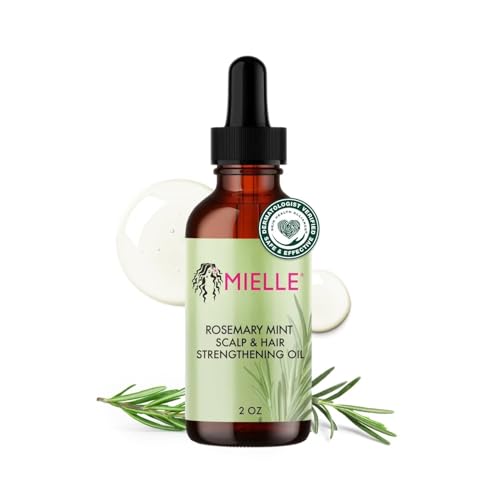
Mielle Organics Rosemary & Mint Hair Oil – Strengthening Biotin Oil Infused Frizzy & Damaged Hair Care – Split Ends & Dry Scalp Treatment to Support Longer, Healthier Strands, 2 Ounce
- Award-Winning Hair Oil: Nourishes scalp and strengthens strands
- Suitable for All Hair Types: Helps with dryness and flaking
- Multifunctional Formula: Moisturizes scalp and promotes thickness
As an affiliate, we earn on qualifying purchases.
As an affiliate, we earn on qualifying purchases.
Frequently Asked Questions
Can Hair Oils Cause Scalp Buildup Over Time?
Yes, hair oils can cause scalp buildup over time if you don’t wash them out properly. When oils linger, they can lead to product residue, clogging pores and causing scalp irritation. This buildup might make your scalp feel greasy or itchy. To prevent this, use a gentle shampoo regularly and avoid applying excessive amounts of oil, ensuring your scalp stays clean and healthy.
Are Synthetic Oils More Likely to Sit on Top Than Natural Ones?
Synthetic oils are more likely to sit on top of your hair than natural oils because they don’t absorb as easily. When comparing synthetic versus natural, natural oils like coconut or argan tend to penetrate better through oil absorption, nourishing your hair from within. Synthetic oils often create a coating that stays on the surface, which can make your hair feel greasy or heavy if not used in moderation.
How Does Hair Porosity Affect Oil Absorption?
Your hair porosity considerably impacts oil absorption. For high porosity hair, oils penetrate easily due to open cuticles, leading to effective nourishment. Low porosity hair resists oil absorption because its cuticles are tightly closed, causing oils to sit on the surface instead of sinking in. Medium porosity hair strikes a balance, absorbing oils well without excessive buildup. Understanding your porosity level helps you choose the right oils for ideal absorption and healthy hair.
Does Application Method Influence Oil Penetration?
Application techniques definitely influence oil penetration. When you apply hair oil, massaging it thoroughly helps the oil reach your hair shaft, promoting better absorption. Using too much oil or applying it on dry hair can cause it to sit on top instead of sinking in. For the best results, gently warm the oil and distribute it evenly, allowing your scalp and strands to absorb the nutrients fully.
Can Heat Styling Alter How Hair Oils Behave?
Heat styling can markedly alter how hair oils behave. Heat effects, like using a blow dryer or flat iron, soften the oil’s consistency, making it more fluid and easier to absorb into your hair. However, excessive heat can also cause oils to evaporate or lose their beneficial nutrients. To maximize absorption, apply oil before styling and use moderate heat, ensuring the oil penetrates rather than sitting on top.
Conclusion
So, next time your hair oil decides to play the stubborn guest and refuses to sink in, just imagine it lounging on your scalp like royalty, refusing to mingle. It’s like a diva at a party — all about making a statement, not blending in. Remember, not all oils are keen to become part of your hair’s clique. Sometimes, they just love the spotlight a little too much, leaving you to deal with their diva antics.