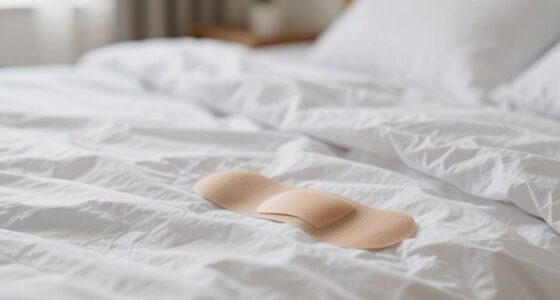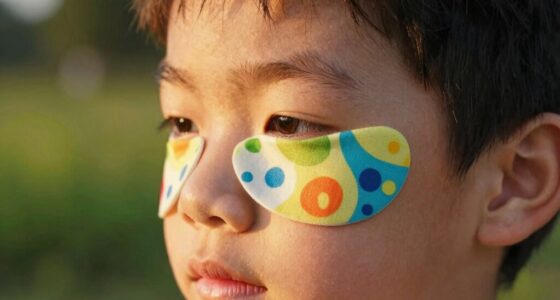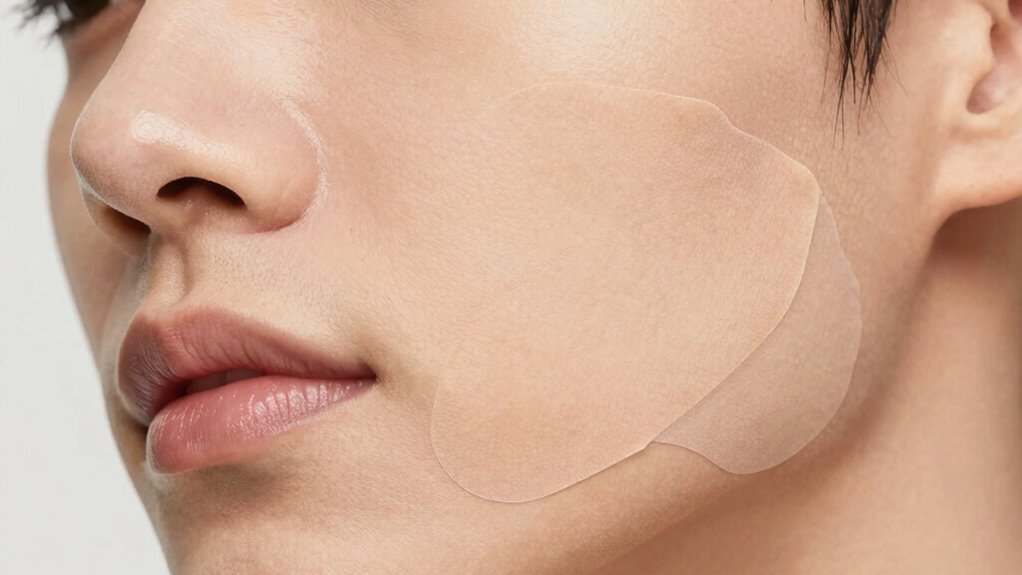
Patch edges matter more on curved areas of your face because these zones have natural contours that can easily reveal uneven blending. Shadows, light, and angles make harsh or visible lines more noticeable on curved surfaces like the nose, jawline, and cheekbones. When edges aren’t carefully managed, your makeup can look cakey or unpolished. Paying attention to how you blend around these areas improves your overall look, and there’s more to discover on how to master this technique effectively.

Get beauty and skincare favorites delivered free — and shop member deals
- Fast, free delivery on millions of items
- Access to Prime Big Deal Days deals on October 6–7
- Prime Video, Amazon Music and more included
Key Takeaways
- Curved face areas have natural contours that make harsh or uneven patch edges more noticeable.
- Shadows and light play differently on curves, highlighting poorly blended edges.
- Seamless blending on curved zones prevents visible lines and creates a natural finish.
- Proper edge work is essential to avoid cakey or artificial appearance on contoured areas.
- Attention to patch edges enhances overall makeup realism and professional quality.
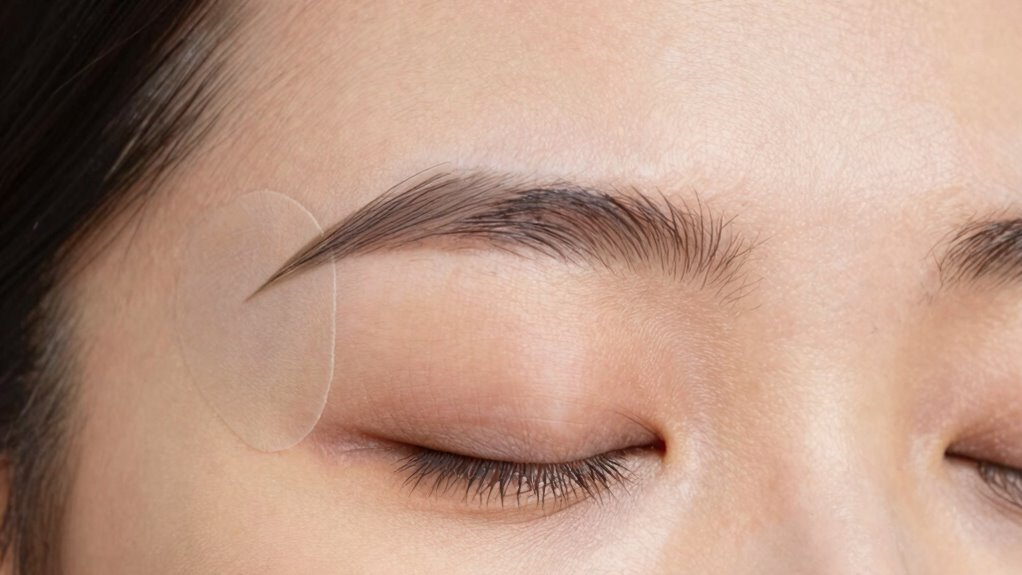
Have you ever struggled to seamlessly patch edges on curved face areas? If so, you’re not alone. These tricky zones—like around your nose, jawline, or cheekbones—pose unique challenges because of their natural contours and angles. When patching or blending makeup, the goal is to create a smooth gradual shift that looks natural and undetectable. If edges aren’t properly managed, your makeup can look harsh, uneven, or cakey, especially on curved surfaces where shadows and light play differently. That’s why understanding the importance of patch edges on these areas is vital for a flawless finish.
Mastering seamless patch edges on curved areas ensures a natural, flawless makeup finish every time.
In makeup techniques, paying attention to patch edges helps in achieving a more natural look. When you apply foundation, concealer, or contour, the goal is to blend seamlessly into the skin, avoiding sharp lines or demarcations. On curved face areas, this means using the right tools—like dense brushes or beauty sponges—and techniques, such as stippling or feathering, to fade edges softly. You want your product to melt into your skin without visible borders. This is particularly essential when working with high-coverage products, as thick layers can accentuate imperfections if not blended properly. The key is to gradually build coverage while maintaining control over where the product ends, making certain that edges don’t appear harsh or obvious. Recognizing how skin contours influence application techniques can further enhance your blending skills.
Your skincare routines also influence how well you can patch edges. Healthy, well-prepped skin allows your makeup to adhere more smoothly, making blending easier. Regular exfoliation removes dry, flaky patches that can cause uneven edges, while moisturized skin creates a more even surface. Primer plays a vital role here—by filling in fine lines and smoothing out texture, it helps your makeup glide on evenly and blend more effortlessly. When your skin is properly prepped, the shift between your makeup and natural skin becomes more seamless, reducing the risk of visible patch edges on those curved areas. Additionally, understanding biodiversity and how natural variations in skin can affect makeup application can help you tailor your approach for better blending. Recognizing the importance of skin tone variations across different areas of the face also allows for more cohesive blending, especially in those delicate curved zones. Moreover, adapting your techniques based on skin flexibility can further improve how seamlessly your makeup conforms to these curved areas.
Ultimately, mastering the importance of patch edges on curved face areas elevates your makeup game. It’s about paying attention to detail and understanding how your face’s natural shape affects application. By refining your techniques and maintaining a good skincare routine, you guarantee that your makeup looks flawless from every angle. Remember, it’s the subtle blending at those tricky edges that makes all the difference, giving you a polished, professional finish every time.
makeup blending sponge for curved areas
As an affiliate, we earn on qualifying purchases.
As an affiliate, we earn on qualifying purchases.
Frequently Asked Questions
How Do Patch Edges Affect Skin Healing on Curved Facial Areas?
Patch edges on curved facial areas directly influence skin healing by affecting scar formation and adhesive strength. When edges aren’t properly aligned or sealed, it can lead to increased scar tissue and weaker adhesion, slowing healing. You should guarantee the patch edges are smooth and well-adhered, especially on curves, to promote ideal healing, minimize scars, and strengthen the patch’s adhesive strength for better protection and faster recovery.
What Materials Are Best for Patch Edges on Curved Skin?
You’ll want patches with materials that offer excellent adhesive durability and remarkable flexibility. These qualities guarantee the edges blend seamlessly over curved skin, preventing lifting or irritation. Look for medical-grade silicone or flexible hydrocolloid, as they move naturally with your skin’s contours and maintain a secure seal. This combination keeps your patch comfortable, discreet, and effective, especially in sensitive, curved facial areas where stability and comfort are most important.
Can Patch Edges Cause Irritation on Delicate Facial Curves?
Yes, patch edges can cause irritation on delicate facial curves, especially if the adhesive strength is too high or the edges aren’t properly sealed. This can lead to discomfort, redness, or even skin damage, raising cosmetic concerns. To minimize irritation, choose patches with gentle adhesives designed for sensitive skin, and guarantee the edges are smooth and well-adhered. Proper application and removal can help protect your skin’s delicate facial curves.
How Long Should Patch Edges Stay in Place on Curved Areas?
You should keep patch edges in place on curved areas for about 24 to 48 hours to guarantee ideal adhesive longevity and effective scar prevention. During this time, the adhesive forms a secure seal that minimizes irritation and promotes healing. Afterward, gently remove the patch to avoid disturbing the delicate skin. Maintaining this duration helps protect the scar and keeps the edges smooth, reducing the risk of irritation or uneven healing.
Are There Specific Techniques for Applying Patch Edges on Facial Curves?
You must master the art of edge blending when applying patch edges on facial curves—think of it as sculpting with your fingertips. To guarantee seamless seam concealment, follow the natural contours carefully, pressing gently and smoothing out tiny imperfections. Use a small brush or sponge for precision, feathering the edges outward. This technique ensures your patch melds perfectly into the skin, creating a flawless, natural look even on the most curved facial areas.
Conclusion
Remember, when it comes to patching curved areas of your face, paying close attention to the patch edges truly makes all the difference. A seamless blend guarantees your repair looks natural, almost as if it were part of the original masterpiece. Think of it as channeling your inner Da Vinci—meticulous and precise—so the final result stands the test of time. In this modern age, don’t overlook the subtle art of perfect edge work; it’s the secret to flawless facial patches.
Fall Picks
fall essentials
As an affiliate, we earn on qualifying purchases.