
Wearing eye patches longer than the recommended time doesn’t necessarily speed up your recovery and can cause discomfort or irritation. Most eye care professionals suggest patching for specific durations based on your age, eye condition, and response, often starting with short daily sessions. Overpatching might hinder progress or lead to skin issues, so following your doctor’s guidance is key. To learn more about ideal patching strategies and how to guarantee comfort, keep exploring the essential tips further.
Key Takeaways
- Follow your eye care professional’s recommended patching schedule for effective and comfortable treatment.
- Longer patching sessions do not necessarily improve outcomes and can cause discomfort or skin irritation.
- Optimal patching duration varies based on age, severity, and individual eye response.
- Shorter, consistent daily patches are often more beneficial than prolonged wear.
- Regular assessment ensures appropriate patching time, preventing overpatching or underpatching issues.

THSIREE 2PCS Eye Patch, Adjustable Eye Patches, Medical Eye Patch, Amblyopia Lazy Eye Patches for Left or Right Eyes, Black
Skin-Friendly Material: The eye patches are made of foam padding and smooth fabric, comfortable and would not to…
As an affiliate, we earn on qualifying purchases.
As an affiliate, we earn on qualifying purchases.
How Long to Wear Eye Patches: Longer Isn’t Always Better
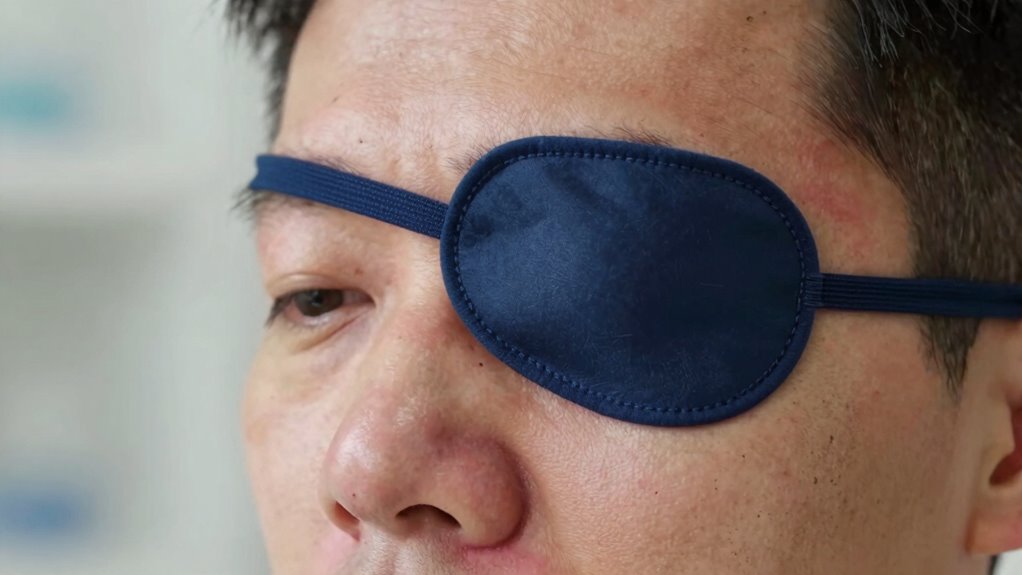
While it might seem logical to wear eye patches as long as possible to improve vision, longer isn’t always better. The key is understanding the patching duration and finding the best timing for your specific needs. Overpatching can cause discomfort, irritation, or even hinder progress. Your eye care professional will recommend a patching schedule that balances effectiveness with comfort, ensuring you don’t overdo it. The goal isn’t to wear the patch endlessly but to give your weaker eye enough stimulation without risking side effects. Following the ideal timing prescribed helps maximize benefits while minimizing risks. Proper patching duration is crucial for successful treatment, so stick to your specialist’s guidance for the best results. Additionally, consistent adherence to the recommended schedule enhances the overall effectiveness of the therapy, reinforcing the importance of individualized treatment plans tailored to your specific condition. Recognizing these personalized approaches can greatly improve your recovery outcomes. Being aware of appropriate patching times and avoiding overuse can prevent potential setbacks in your vision development.

Hecaty 4 Pack Eye Patches for Kids Girls Boys, Right & Left Eye Patch for Glasses, Lazy Eye Patch for Children Treating Lazy Eye Amblyopia Strabismus and After Surgery (Blue)
Effective Patching Treatment: These medical eye patches are approved to treat lazy eye Amblyopia Strabismus, which training the…
As an affiliate, we earn on qualifying purchases.
As an affiliate, we earn on qualifying purchases.
How Long Should You Wear an Eye Patch Each Day?
Determining how long to wear an eye patch each day depends on your specific condition and your eye care professional’s recommendations. Patching duration varies based on your age, the severity of your condition, and how your eye responds to treatment. Usually, short daily sessions are recommended initially, gradually increasing as your eye adapts. Consistent, appropriate patching helps improve eye health by encouraging proper use of the weaker eye and preventing suppression. Proper patching techniques are also important to maximize effectiveness and comfort during treatment. However, over-patching can lead to discomfort or negative effects. It’s vital to follow your eye care provider’s guidance on the ideal patching duration for your situation. Regular check-ins ensure your eye health improves without unnecessary strain or setbacks, making tailored patching time essential for effective treatment. Understanding at‑home eye care technology can also support your recovery process.

Translucent Eye Patch for Glasses, Adult Eye Patch for Men & Women, Vision Therapy for Amblyopia, Strabismus & Double Vision
EFFECTIVE VISION THERAPY: Designed for lazy eye (amblyopia), strabismus, and double vision, this translucent eye patch helps improve…
As an affiliate, we earn on qualifying purchases.
As an affiliate, we earn on qualifying purchases.
Factors That Influence the Length of Patching Time

Several factors can influence how long you should wear an eye patch each day, as your treatment needs are unique. Patching duration depends on your individual needs, which vary based on age, severity of the condition, and response to treatment. For some, shorter periods may be effective, while others may require longer patching sessions. Your eye care professional will assess these factors to determine the appropriate patching schedule. It’s important to follow their guidance because overpatching can cause discomfort or other issues, while underpatching might not yield desired results. Remember, the goal is to balance effective treatment with comfort, adjusting the patching duration as needed to fit your specific situation. European cloud innovation can also play a role in supporting telemedicine and remote monitoring, ensuring better adherence and personalized care. Additionally, understanding digital literacy can help caregivers seek out the latest advancements in remote eye health management, including telemedicine tools and apps designed for eye care. Developing treatment compliance strategies can further improve outcomes by encouraging consistent patching routines. Moreover, staying informed about emerging medical technologies can help optimize treatment plans and improve overall effectiveness.

Meowgool Adhesive Eye Patches for Kids with Lazy Eye, 30+3 Bonus Patches, Bandages for Amblyopia 6 Fun Girls Designs, 1 Stickers Incentive Poster (Regular Size)
SOFT, BREATHABLE & HYPOALLERGENIC:Features soft and breathable non-woven fabric with hypoallergenic and latex-free adhesive that provides maximum comfort…
As an affiliate, we earn on qualifying purchases.
As an affiliate, we earn on qualifying purchases.
Signs You’re Wearing the Right Amount of Time
You’ll know you’re wearing the right amount of time if your eye looks healthier and feels more comfortable. Consistent improvements, like reduced redness or better vision, are clear signs you’re on the right track. Keep an eye on these indicators to make sure your patching is effective without overdoing it. Additionally, paying attention to your overall sleep quality can help determine if your eye patching routine is supporting your recovery process as part of sleep improvement strategies.
Signs of Proper Usage
When wearing eye patches, paying attention to how your eyes feel can help you gauge if you’re using them correctly. If your eyes feel comfortable and there’s no significant irritation, you’re likely on the right track. Proper usage also involves monitoring your patch removal; if the patch stays securely in place without causing discomfort or leaving marks, it indicates appropriate fit and duration. Additionally, the eye patch materials matter—soft, breathable fabrics reduce irritation and enhance comfort, signaling proper use. If you notice redness, itching, or soreness, it might mean you’re wearing the patch too long or the materials aren’t suitable for your skin. Regularly reviewing product quality and choosing gentle materials can help ensure you’re using it effectively and safely. Furthermore, understanding proper usage guidelines helps prevent overuse and potential adverse effects. Being aware of proper application techniques can also improve your overall experience and skin health. Recognizing the importance of skin compatibility can guide you in selecting the best patches for your needs, and paying attention to skin reactions can help you adjust usage as needed.
Consistent Improvement Indicators
How can you tell if you’re wearing your eye patch for the right amount of time? Look for consistent signs of improvement in your eye’s function and vision. If your treatment effectiveness is progressing—such as better eye alignment or sharper vision—you’re likely on the right track. Over time, you should notice fewer symptoms or issues, indicating your eye patch duration is appropriate. Monitoring progress is an important part of creating a calm and organized approach to your treatment. Additionally, understanding treatment adherence can help you stay consistent and achieve better results. Recognizing how herbalism principles can support your overall well-being may also encourage a balanced approach to your health routine and enhance recovery. Remember that support options like follow-up visits or guidance from your healthcare provider can also be valuable in adjusting your patching routine as needed. Staying informed about vision therapy techniques can further optimize your recovery process.
Risks of Wearing an Eye Patch Too Long or Too Short
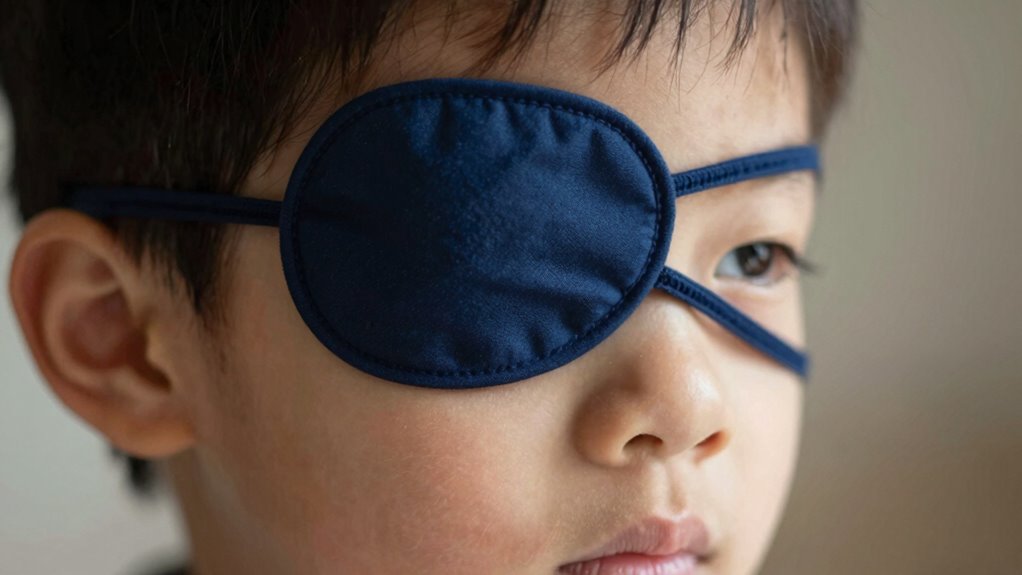
Wearing an eye patch for too long or too short can lead to problems like eye strain or delayed visual development. If you don’t follow your doctor’s instructions, you might also experience skin irritation or other skin issues. Understanding these risks helps guarantee you get the best results without unintended side effects. To ensure safety, it’s important to follow proper safety guidelines for eye patch use. Additionally, being aware of proper eye care practices can help prevent complications and promote healing. Correct usage of eye patches includes recognizing appropriate wear times to avoid additional stress on your eyes.
Eye Strain Risks
Wearing an eye patch for too long can lead to eye strain, causing discomfort, headaches, and blurry vision. This happens because extended patch duration forces your eyes to work harder to compensate, leading to fatigue. If you don’t give your eyes proper breaks, the strain worsens, delaying recovery. Below is a quick guide on how different patch durations impact eye strain:
| Patch Duration | Effect on Eye Strain | Recommended Action |
|---|---|---|
| Less than 1 hour | Minimal strain | Short, frequent breaks |
| 1-2 hours | Slight discomfort | Monitor and rest |
| 2-4 hours | Moderate strain | Adjust patch time |
| Over 4 hours | High risk of strain | Limit patch duration |
| Continuous use | Severe strain | Avoid prolonged use |
Delay Visual Development
If you don’t follow proper guidelines for eye patch duration, you risk delaying your child’s visual development. Overpatching can prevent the brain from strengthening the weaker eye, hindering progress in vision therapy. Additionally, it may cause the visual system to develop improperly, affecting depth perception and binocular vision. Conversely, under-patching might not provide enough stimulus for improvement, leading to a delayed or incomplete recovery. As your child ages, the risk of age-related decline in visual acuity increases, emphasizing the importance of correct patching duration. Properly timed patching helps optimize visual development, reducing long-term issues. Remember, consistent, guided therapy is key to avoiding delays and ensuring healthy vision growth.
Skin Irritation Concerns
When you wear an eye patch for too long or too short, skin irritation can become a significant concern. If your skin is sensitive, prolonged use may cause redness, itching, or rash around the eye area. Poor patch durability can also lead to peeling or breakdown of the adhesive, increasing discomfort and irritation. Wearing a patch too long can trap moisture and bacteria, worsening skin issues, while removing it too early might cause unnecessary rubbing or friction. To minimize risks, choose a patch made from gentle, breathable materials and follow recommended wear times. Regularly check your skin for signs of irritation, and adjust your patch-wearing schedule accordingly. Proper skin care before and after use helps prevent irritation and ensures your treatment remains effective.
Common Myths About Wearing Eye Patches Longer

Many people believe that wearing eye patches for longer than recommended can cause permanent damage or worsen vision problems, but this isn’t true. This is a common eye patch myth rooted in patching misconceptions. In reality, extended patching doesn’t harm your eye but may cause discomfort or frustration. Here are some common myths you should ignore:
- Wearing patches longer speeds up healing – it doesn’t; the ideal duration is key.
- Longer patching worsens vision – no evidence supports this.
- Patching too much damages the eye permanently – false; it’s safe when done correctly.
Understanding these eye patch myths helps you follow proper guidance and avoid unnecessary worry. Remember, longer isn’t always better, and over-patching can do more harm than good.
Tips for Managing Comfort and Compliance During Patching
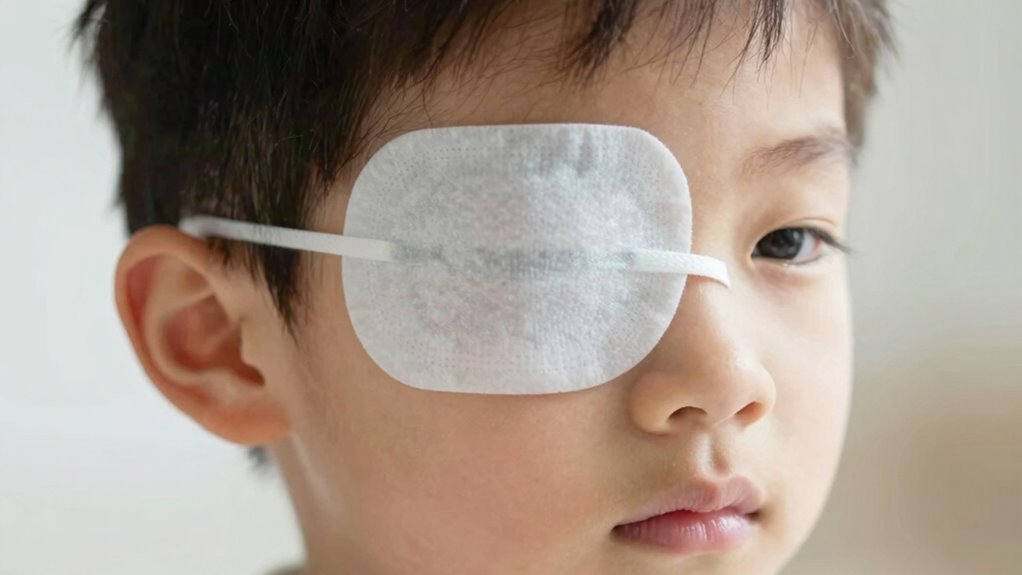
Wearing eye patches comfortably and consistently can sometimes be challenging, especially if the patch causes irritation or disrupts daily activities. To improve comfort, choose a soft, breathable patch and guarantee it fits snugly but not too tight. Using comfort tips like applying a gentle adhesive or placing a barrier such as a thin cloth can reduce skin irritation. Compliance strategies include setting a routine, rewarding yourself for sticking to it, and taking breaks when needed. Keep the skin clean and dry to prevent discomfort or rash. If the patch causes persistent irritation or discomfort, consult your eye care professional for alternative options. Staying consistent and attentive to your comfort will help you adhere to your patching schedule effectively.
When Should You Consult Your Eye Care Professional?
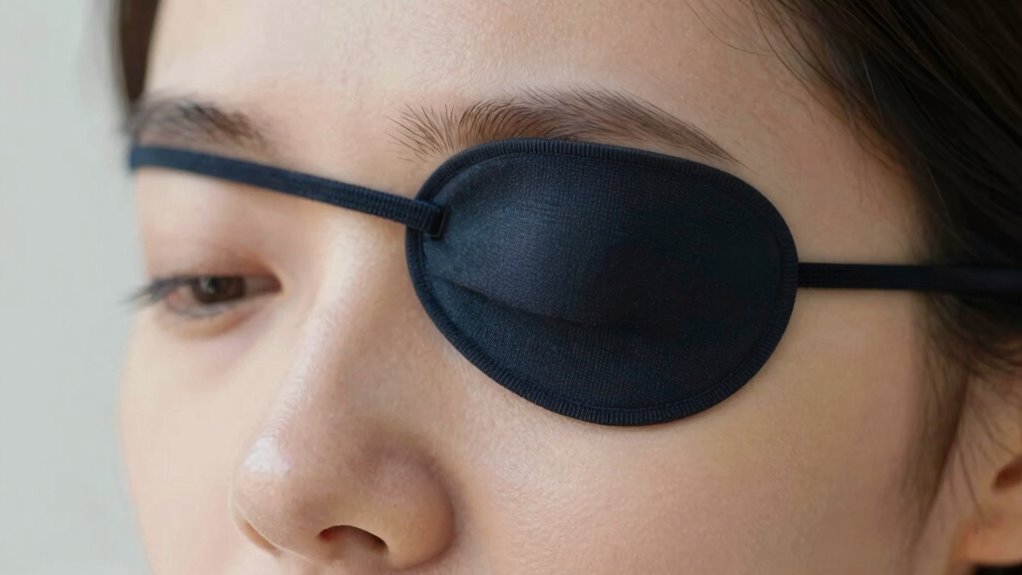
If you notice persistent irritation, discomfort, or skin issues from your eye patch, it’s time to consult your eye care professional. Ignoring these signs can lead to more serious problems. You should seek professional consultation if:
- Your eye patch duration causes ongoing redness or soreness.
- You experience worsening vision or new visual symptoms.
- Skin irritation or rash develops, despite proper patch care.
A professional can assess whether your patching schedule is appropriate or if adjustments are needed. They may also evaluate for underlying issues or suggest alternative treatments. Remember, longer patching isn’t always better, and timely consultation ensures your treatment remains safe and effective. Don’t hesitate to reach out if anything feels off during your patching routine.
Frequently Asked Questions
Can Wearing an Eye Patch Affect Vision Permanently?
Wearing an eye patch won’t usually cause permanent vision damage if you follow proper patching duration and your eye care provider’s advice. It’s important to understand that patching can influence vision development, especially in children. Over-patching might lead to issues like amblyopia, but when used correctly, it helps strengthen the weaker eye. Always adhere to recommended patching durations to avoid adverse effects and ensure healthy vision development.
Is There an Age Limit for Effective Eye Patch Use?
You can use eye patches at any age, but age considerations matter. Younger children might need shorter patch durations to prevent frustration, while older kids and adults can often tolerate longer sessions. Imagine a gentle breeze guiding your eye patch routine—adjust patch duration based on comfort and response. Always follow your eye care professional’s advice, as effective patching depends on individual needs, not age alone.
How Can I Tell if My Child Is Tolerating Patching Well?
You can tell if your child is tolerating patching well by observing their eye patch comfort and overall adaptation. Look for signs like minimal fussing, no rubbing or pulling at the patch, and a positive attitude toward wearing it. If your child seems comfortable and quickly adapts to the patch, it indicates good tolerance. Communicate with your child and make patching a positive experience to support their ongoing adaptation.
Are There Alternatives to Eye Patches for Vision Therapy?
Think of vision therapy as a garden where different tools help plants thrive. Instead of eye patches, you might use contact lenses, which gently correct vision without restricting sight. Vision exercises serve as nurturing sunlight, strengthening eye muscles and coordination. These alternatives can be more comfortable and engaging for your child, offering effective therapy while reducing reliance on patches. Talk to your eye specialist to find the best approach for your child’s needs.
Does the Type of Eye Patch Material Matter?
Yes, the patch material does matter because it affects your eye comfort. You’ll want a patch made from soft, breathable materials like fabric or silicone, which reduce irritation and skin sensitivity. Some patches with adhesive can cause discomfort over time, so choosing a gentle, hypoallergenic option helps you stay comfortable during wear. Prioritizing the right patch material guarantees better compliance and more effective vision therapy.
Conclusion
Remember, wearing your eye patch is like tuning a delicate instrument—you want just the right amount of time to get the best sound. Too long or too short, and you might throw off the harmony. Pay attention to your eye’s signals, follow your eye care professional’s advice, and prioritize comfort. With the right balance, you’ll help your eye heal smoothly, like a well-played melody that stays in perfect tune.