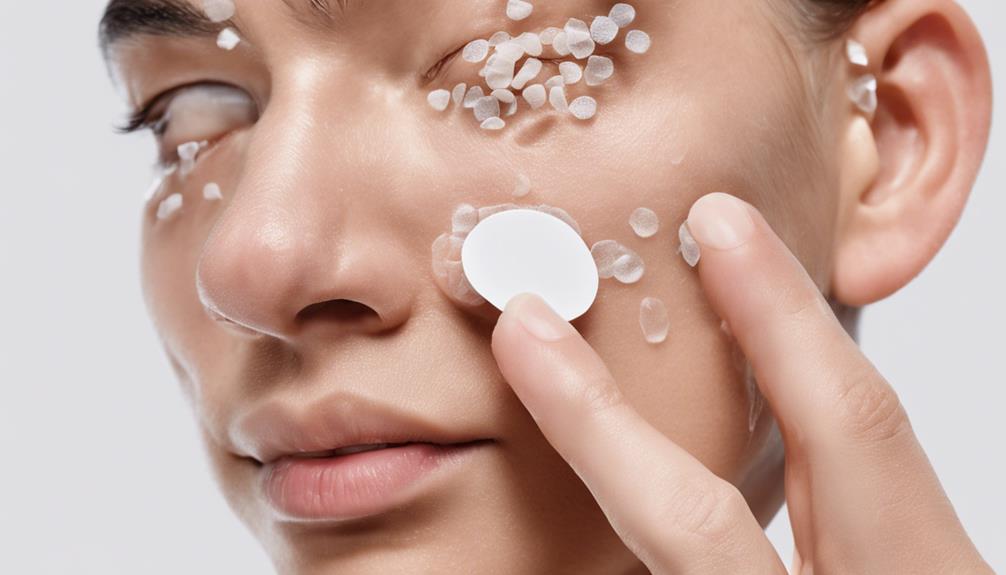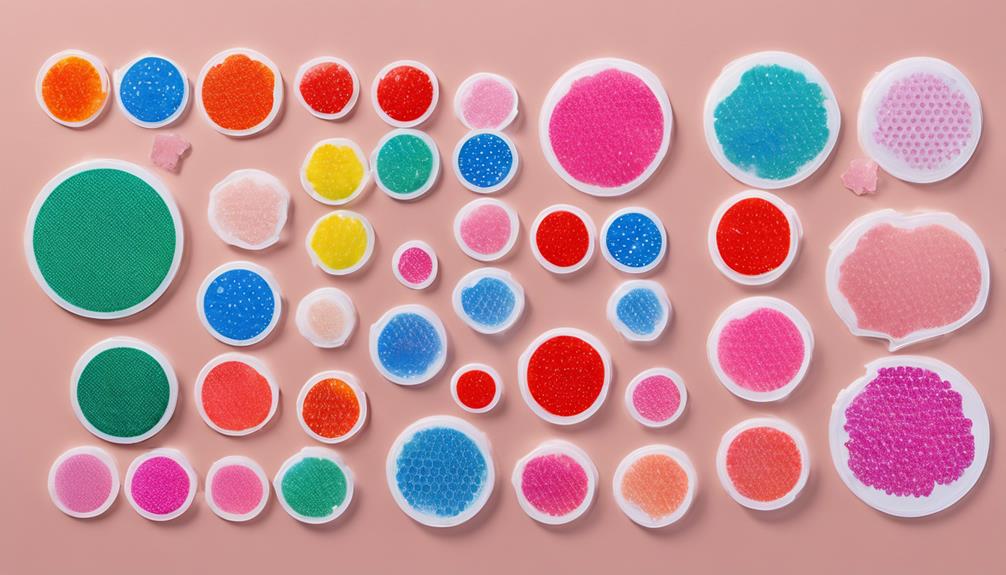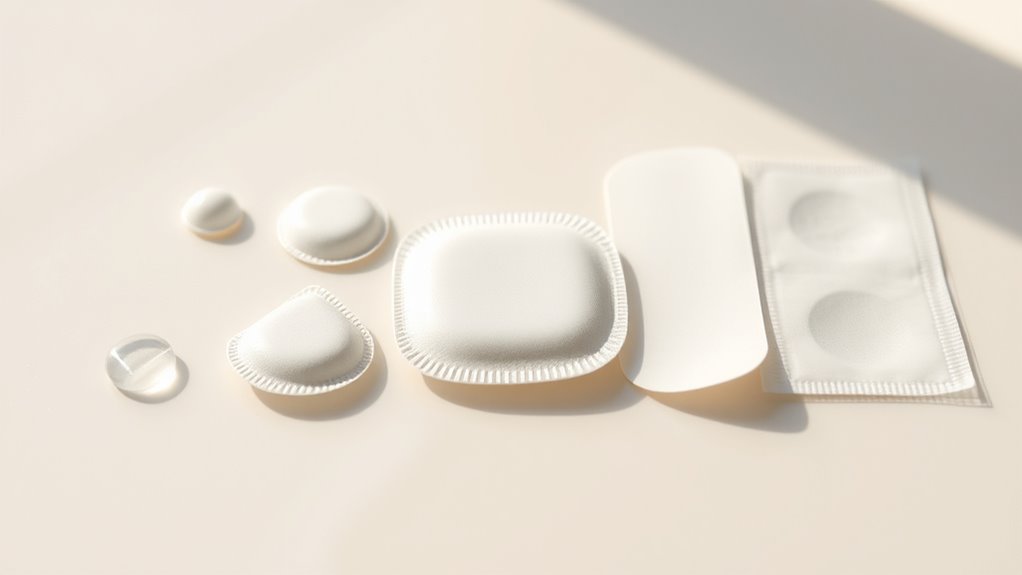
To select the right pimple patch, match the size to your blemish—small patches work best for surface spots, while larger ones cover cysts or deep pimples effectively. Shape matters too; round patches fit most areas, but teardrop or crescent shapes mold better around curves like the nose or jawline. Proper fit guarantees better healing and comfort. Keep going to discover more tips on selecting the perfect patch for your skin needs.
Prime for Young Adults — start your free trial
Fast free delivery, streaming and member deals for eligible 18–24 year olds.
As an affiliate, we earn on qualifying purchases.
Key Takeaways
- Match patch size to the blemish’s dimensions for full coverage and effective healing.
- Use small, discreet patches for surface pimples; larger patches for cysts or deep blemishes.
- Choose round patches for general use; consider shaped patches like teardrops for contours.
- Proper application—clean skin and smooth placement—maximizes adhesion and healing.
- Selecting the right size and shape prevents irritation, detachment, and enhances treatment results.
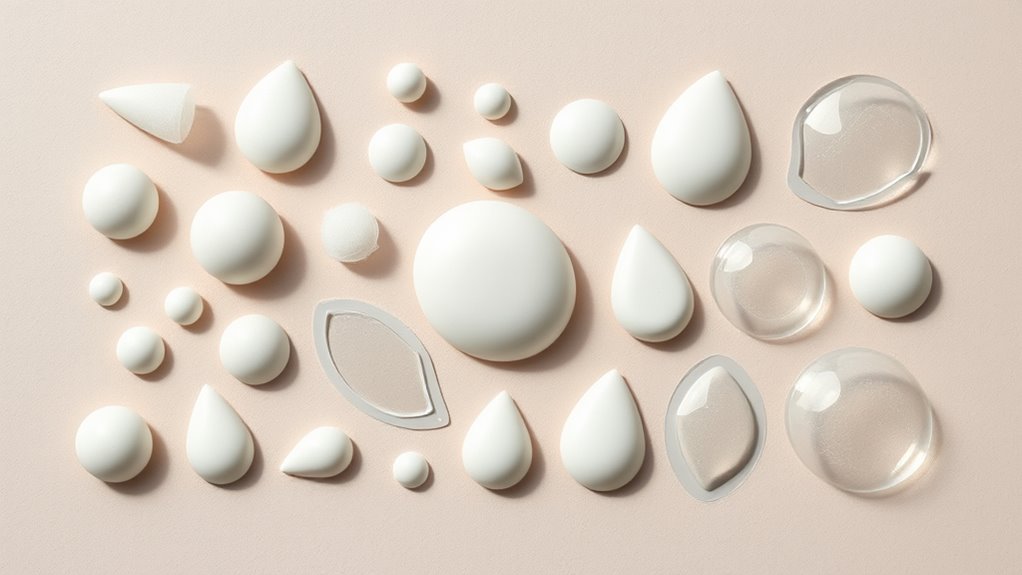
Have you ever wondered how the shape and size of a pimple patch can make a difference in treating your blemishes? The truth is, choosing the right patch isn’t just about covering the pimple; it’s about optimizing pimple healing and guaranteeing the patch stays effective. When you select a patch that fits well, it can protect your skin, absorb excess oil, and deliver active ingredients more efficiently. Proper patch application techniques are essential for maximizing these benefits, so understanding how shape and size influence healing is key. Additionally, selecting a patch with the appropriate adhesion properties ensures it remains securely in place during your daily activities, further enhancing healing outcomes.
First, consider the size of your blemish. Small, surface-level pimples require tiny, discreet patches that conform closely to the skin. These mini patches are perfect for targeted treatment because they don’t block your pores or draw unnecessary attention. On the other hand, larger cysts or deep blemishes demand bigger patches that can cover the entire affected area. Bigger patches help contain the inflammation, prevent bacteria from spreading, and create a sealed environment that accelerates pimple healing. Using a patch that’s too small for a large blemish can leave parts exposed, reducing its effectiveness and risking further irritation. Conversely, an overly large patch on a small pimple might feel bulky and uncomfortable, making it harder to keep in place.
Shape also plays a significant role. Round patches are the most common because they fit comfortably on most facial contours. However, if you’re targeting a specific area, like along the side of your nose or around your mouth, consider patches with more tailored shapes. For example, teardrop or crescent-shaped patches can mold better to the curves of your face, ensuring a snug fit that adheres well and stays in place during your daily activities. Proper patch application techniques involve gently cleaning the skin beforehand, drying it thoroughly, and carefully placing the patch without air bubbles or wrinkles. This guarantees maximum contact, which is essential for effective pimple healing.
In essence, selecting the right shape and size isn’t just about aesthetics; it directly impacts how well your pimple heals. The more precise your patch application techniques, the better the environment you create for your skin to recover. By paying attention to these details, you’ll not only improve your healing process but also enjoy clearer, healthier skin faster. Remember, the key lies in matching the patch to your blemish’s size, choosing the best shape for your facial area, and applying it correctly every time. This thoughtful approach makes all the difference in conquering blemishes effectively.
small pimple patches for surface blemishes
As an affiliate, we earn on qualifying purchases.
As an affiliate, we earn on qualifying purchases.
Frequently Asked Questions
Can Pimple Patches Work on Cystic Acne?
Pimple patches aren’t typically effective on cystic acne because they mainly target surface-level pimples. For cystic acne treatment, you need stronger options like topical retinoids or oral medications. Pimple patch effectiveness is limited for deep, inflamed cysts, as they can’t reach the underlying bacteria and oil buildup. So, if you’re dealing with cystic acne, it’s best to consult a dermatologist for a tailored treatment plan.
Are There Any Side Effects From Long-Term Use?
Long-term use of pimple patches generally doesn’t cause serious side effects, but you should watch for skin irritation or allergic reactions. If you notice redness, itching, or discomfort, stop using them and consult a dermatologist. While they’re safe for most, overuse might lead to irritation or sensitivity. To avoid this, use patches as directed, give your skin breaks, and choose hypoallergenic options if you have sensitive skin.
How Do I Store Pimple Patches Properly?
You should store your pimple patches in a cool, dry place to keep them effective. Use proper hygiene by sealing the packaging tightly after each use to prevent contamination. Keep them away from direct sunlight and moisture, which can degrade the adhesive and active ingredients. A small container or the original packaging works well. This way, your patches stay fresh and ready whenever you need them.
Can I Wear Makeup Over a Pimple Patch?
Wearing makeup over a pimple patch is like trying to hide a secret; it’s possible but tricky. Makeup can sometimes slip off or damage the patch. To keep it intact, wait at least 4-6 hours after applying the patch before makeup application. Use light, non-comedogenic makeup and gentle patch application tips to make sure your skin stays protected and your spot stays covered.
Are There Eco-Friendly Pimple Patch Options Available?
Yes, eco-friendly pimple patches made from biodegradable materials and natural ingredients are available. You can find options that break down easily without harming the environment, giving you a guilt-free skincare routine. These patches often use plant-based adhesives and ingredients like tea tree oil or aloe vera, which are gentle yet effective. By choosing these sustainable options, you help reduce waste and support eco-conscious brands.
Conclusion
So, now that you’re a pimple patch connoisseur, go forth and conquer your blemishes with style. Whether you opt for tiny discreet dots or bold shapes that scream “I’ve got skin goals,” remember: it’s all about confidence—or at least fooling your mirror. Who knew fighting pimples could be so fun? Just pick your size, slap it on, and pretend you’re starring in your own skincare commercial. Clear skin, here you come—maybe.
NFL season / tailgating Picks
team gear
As an affiliate, we earn on qualifying purchases.