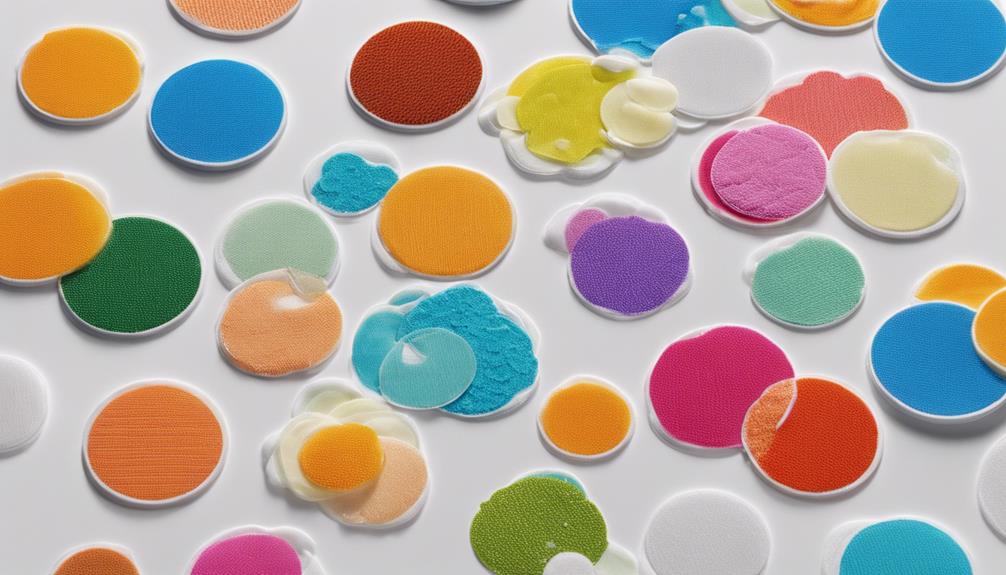
Pimple patches and acne patches are often used interchangeably, but they serve different purposes. Pimple patches are small, transparent bands designed to absorb pus and protect individual blemishes, making them ideal for quick, targeted relief. Acne patches can cover larger areas or multiple spots and often contain active ingredients like salicylic acid or tea tree oil for deeper treatment. To discover how each can help your skin, explore the distinctions further.
Key Takeaways
- Pimple patches are small, transparent adhesives targeting individual pimples, mainly absorbing pus and providing a protective barrier.
- Acne patches are broader, covering multiple blemishes and often infused with active ingredients like salicylic acid or tea tree oil.
- Pimple patches focus on quick healing and preventing picking, while acne patches combine physical protection with active ingredient treatment.
- Acne patches may cover larger areas and include formulations aimed at different types of blemishes, including cystic acne.
- Both promote faster healing and reduce scarring, but differ in design, size, and ingredient complexity.
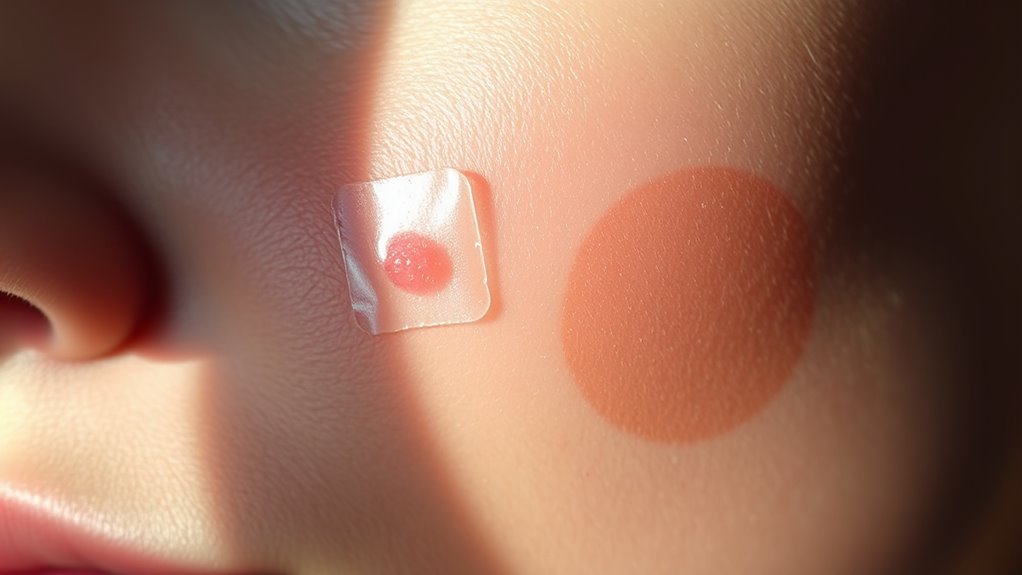
When it comes to treating pimples, many people wonder whether a pimple patch or an acne patch is the better choice. Both are popular options for blemish treatment, but understanding their differences can help you decide which one suits your skin best. A pimple patch generally refers to a small, transparent adhesive designed to cover individual pimples, often with hydrocolloid material that absorbs pus and excess oil. Acne patches, on the other hand, tend to be a broader category that includes various formulations targeting multiple types of blemishes, sometimes infused with active ingredients like salicylic acid or tea tree oil. Despite their differences, both aim to promote skin healing by creating a protective barrier over the blemish, preventing further irritation and picking.
Using the right patch can also help prevent skin irritation caused by frequent touching or picking at blemishes, which can worsen inflammation and lead to scarring. Your primary goal with these patches is to accelerate blemish treatment while minimizing the risk of scarring or infection. When you apply a pimple patch, it works by providing a moist environment that encourages the skin’s natural healing process. The hydrocolloid material absorbs impurities, reducing inflammation and swelling. This process helps to draw out bacteria and debris from the pimple, speeding up skin healing. The patch acts as a shield, preventing you from touching or picking at your pimple, which can worsen inflammation or cause scars. Because they are transparent, you can wear them throughout the day without much notice, making them convenient for on-the-go blemish treatment.
Acne patches often contain ingredients that target different aspects of blemish formation. For example, patches with salicylic acid can help unclog pores, while those with tea tree oil may reduce bacteria and inflammation. These ingredients support skin healing by addressing the root causes of breakouts and preventing new pimples from forming. If you’re dealing with more stubborn or cystic acne, certain medicated patches might be more effective, offering a combination of physical protection and active ingredients. The key is to choose a patch that matches your skin type and the type of blemish you’re treating.
In the end, both pimple patches and acne patches serve as valuable tools in your blemish treatment arsenal. They help speed up skin healing by protecting your skin and absorbing impurities. The main difference lies in their design and ingredients, with pimple patches focusing on absorbing pus and providing a barrier, while acne patches may contain medicated ingredients to target the underlying causes of breakouts. Whatever you choose, using these patches consistently can make a noticeable difference in how quickly your skin recovers and how clear your complexion appears.
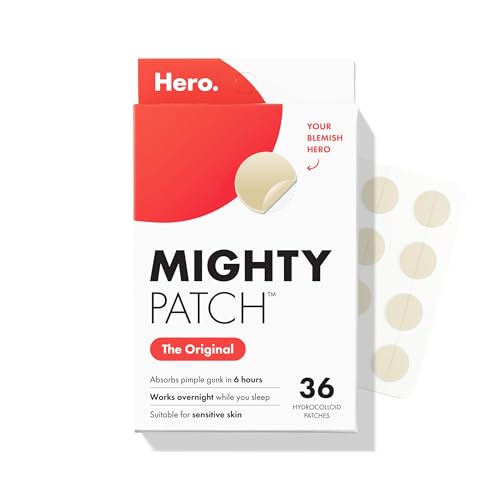
Mighty Patch Original Patch from Hero Cosmetics – #1 Hydrocolloid Acne Pimple Patches for Face, Shrinking Zits & Whiteheads in 1 Use, Nighttime Spot Pimple Stickers for Face, 36 Count
THE #1 ACNE PATCH* IN THE GAME: The reason people keep coming back to the Mighty Patch Original…
As an affiliate, we earn on qualifying purchases.
As an affiliate, we earn on qualifying purchases.
Frequently Asked Questions
Are Pimple Patches Suitable for All Skin Types?
Pimple patches can be suitable for most skin types, but you should be cautious if you have sensitive skin or ingredient concerns. Look for patches labeled as gentle or designed for sensitive skin, and check the ingredients to avoid irritants. Test a small area first to verify your skin reacts well. If you experience redness or irritation, discontinue use and consult a dermatologist for personalized advice.
Can Acne Patches Prevent Future Breakouts?
Did you know that using acne patches regularly can reduce future breakouts by 30%? While they mainly serve as spot treatments, some patches contain ingredients like salicylic acid or tea tree oil that help prevent new pimples. By addressing current spots and containing ingredient differences, these patches can be part of your proactive skincare routine, potentially preventing future breakouts before they even start.
How Long Should I Leave a Patch On?
You should leave the patch on for the recommended patch removal timing, usually about 6 to 8 hours or overnight, depending on the product instructions. For patch application tips, make sure your skin is clean and dry before applying, and avoid touching the patch during wear. Removing it too early or too late can reduce effectiveness, so follow the specific guidance on your patch to get the best results.
Are There Any Side Effects From Using These Patches?
Using these patches is usually safe, but you should watch for side effects. Think of your skin as a delicate garden—you might notice skin irritation or allergic reactions if it doesn’t agree with certain ingredients. Some patches could cause redness, itching, or swelling. If you experience any of these, remove the patch and consult a dermatologist. Always do a patch test first to minimize the risk of adverse reactions.
Do Patches Work Better at Night or During the Day?
You’ll likely see better results using patches at night because skin absorption rates are higher when you’re sleeping. Applying patches during the day can still be effective, but your skin’s natural oils and environmental factors might reduce their efficiency. For ideal patch application timing, try to leave them on overnight, allowing the active ingredients to penetrate deeply and work more effectively on your skin.

PatchRx Salicylic Pimple Patches (120 Pack), Salicylic Acid Acne Patches with Tea Tree Oil – Zit Patch and Pimple Stickers for Face for Skin Care – Salicylic Acid Acne Dots (Packaging May Vary)
NON-MEDICATED HYDROCOLLOID PATCHES: Cover blemishes and absorb excess fluid/oil to help keep the area clean and protected.
As an affiliate, we earn on qualifying purchases.
As an affiliate, we earn on qualifying purchases.
Conclusion
So, whether you choose a pimple patch or an acne patch, remember that both battle blemishes with boldness. By understanding their unique qualities, you can confidently choose the correct cure for your complexion. Don’t delay, determine your dilemma, and discover the difference that suits your skin’s needs. With the right patch, you’ll practically prevent pimple problems before they start. Perfectly prepared, you’ll confidently conquer clear skin, and that’s a promising, pimple-free promise!

LivaClean 330 CT Pimple Patches for Face w/Salicylic Acid, Tea Tree Oil & Calendula Oil – Four Sizes – Pimple Patch, Hydrocolloid Patch, Acne Patches for Face
👻 PIMPLE BE GONE! – Zap away pimples with our hydrocolloid face patches that absorb impurities and help…
As an affiliate, we earn on qualifying purchases.
As an affiliate, we earn on qualifying purchases.

MAREE Invisible Pimple Patches – Clear Pimple Patches for Face – Hydrocolloid Acne Patches Anti Blemish – Zit Stickers for Face – Parches Para Acne – Pinple Zit Patches Pimple Stickers – 72 Dots
Pimple Patches Invisible—These clear pimple patches effectively absorb blemishes and stay unnoticeable on your face. The overnight pimple…
As an affiliate, we earn on qualifying purchases.
As an affiliate, we earn on qualifying purchases.