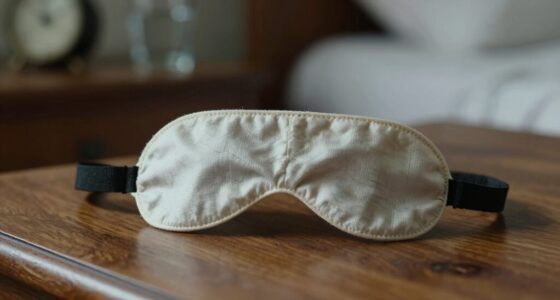

To effectively use children’s medical eye patches, start by cleaning your child’s skin around the eye with gentle soap and water to guarantee good adhesion. Choose the right patch — adhesive for discreet wear or fabric for comfort — based on your child’s needs. Make sure the patch covers the eye fully without causing irritation, and check regularly for comfort or skin issues. Proper application helps the treatment work and keeps your child comfortable—continue with your efforts to learn more helpful tips.
Listen free for 30 days with Audible
Thousands of audiobooks and originals — cancel anytime.
As an affiliate, we earn on qualifying purchases.
Key Takeaways
- Clean the skin around the eye with gentle soap and water before applying the patch.
- Choose between adhesive or fabric patches based on your child’s age, skin sensitivity, and comfort needs.
- Ensure the patch covers the entire affected eye for effective treatment and proper adherence.
- Regularly check for skin irritation or discomfort and adjust or replace the patch as needed.
- Follow your eye care provider’s instructions for application, duration, and care to ensure safety and effectiveness.

Children’s medical eye patches are essential tools used to treat various eye conditions in young patients, such as amblyopia or crossed eyes. When it comes to patch application, the process might seem straightforward, but getting it right is vital for effective treatment. You’ll want to guarantee the patch covers the affected eye completely without causing discomfort or slipping off during daily activities. To do this, start by cleaning the skin around your child’s eye with gentle soap and water to remove oils and dirt, which helps the patch adhere better. Then, follow the instructions provided with the patch—whether it’s adhesive or fabric—to secure it properly. If using an adhesive patch, make sure your child’s skin is dry and free of lotions or creams, as these can reduce sticking power. For fabric patches, use the adhesive strips or tape recommended by your eye care professional to keep it in place.
Understanding the different eye patch types can make a significant difference in your child’s comfort and compliance. There are primarily two types: adhesive patches and fabric patches. Adhesive patches are thin, transparent, and stick directly onto the skin around the eye. They’re typically easy to apply and remove, making them popular for daily use. Fabric patches, on the other hand, are usually made of soft cloth and can be attached with adjustable straps or adhesive strips. They often offer more breathability and comfort, especially for children who wear patches for extended periods. Some patches are designed with fun patterns or colors to make the experience less intimidating for your child, which can encourage cooperation.
Choosing the right eye patch type depends on your child’s age, skin sensitivity, and the prescribed treatment plan. For younger children or those with sensitive skin, fabric patches with gentle adhesives might be better to minimize irritation. For older kids who need to wear patches for several hours, adhesive patches can be more discreet and easier to manage. Regardless of the type, you should always monitor your child’s skin for signs of irritation or allergy and consult their eye care provider if any issues arise. Proper patch application not only maximizes the treatment’s effectiveness but also helps your child feel more comfortable and confident during the process. Maintaining consistent messaging about eye health and treatment routines can greatly improve compliance and outcomes. By understanding the different eye patch types and mastering correct application techniques, you can support your child’s eye health and make their treatment journey smoother.
As an affiliate, we earn on qualifying purchases.
Frequently Asked Questions
How Do I Choose the Right Size of Eye Patch for My Child?
To select the right size of eye patch for your child, start by measuring their eye area accurately. Opt for adjustable eye patches, as they can fit comfortably and grow with your child. Consider eye patch material—look for soft, breathable fabrics to prevent irritation. A properly fitting, adjustable patch guarantees effective treatment and comfort, so always check the fit regularly and replace it if it becomes too tight or loose.
Are There Any Risks or Side Effects From Using Eye Patches?
While eye patches are generally safe, you should watch for potential skin irritation, which might cause discomfort. Some children may also experience an emotional impact, feeling self-conscious or upset about wearing the patch. To minimize risks, make certain of proper fit and hygiene, and monitor your child’s response. If you notice persistent irritation or emotional distress, consult your eye care professional to adjust the treatment or explore alternatives.
Can Children Wear Eye Patches During Sports or Outdoor Activities?
Yes, your child can wear eye patches during sports or outdoor activities, but you should prioritize sports safety and outdoor protection. Make sure the patch fits securely and comfortably to prevent it from slipping or causing irritation. It’s also wise to avoid rough play or contact sports that could dislodge the patch or pose a risk of injury. Always supervise your child and consult their eye doctor for personalized advice.
How Long Should My Child Wear the Eye Patch Each Day?
You should typically have your child wear the eye patch for 1-2 hours a day, but this varies. For example, if a child named Emma wears her patch during homework, her eye doctor might recommend 2 hours daily to improve vision. Focus on patch application that promotes your child’s comfort, and adjust the duration as advised by your eye specialist. Consistency helps achieve the best results.
What Should I Do if My Child Dislikes Wearing the Patch?
If your child dislikes wearing the patch, try using positive reinforcement like praise or rewards to encourage them. You can also incorporate creative distraction, such as playing their favorite game or watching a fun video, to make the experience more enjoyable. Keep the mood positive and patient, gradually increasing their comfort with the patch. This approach helps build cooperation and makes eye patching less stressful for both of you.
Conclusion
Remember, using a child’s eye patch isn’t just about correcting vision—it’s about opening their world to new possibilities. With patience and proper guidance, you can turn a simple patch into a powerful tool for their bright future. Think of it as planting a tiny seed of hope; with care, that seed will grow into confidence and clear sight. Embrace the journey, and watch your child’s confidence blossom before your eyes.
Flea & tick season Picks
flea and tick prevention
As an affiliate, we earn on qualifying purchases.