Common eye patch mistakes include not washing your hands before applying or removing it, which can cause infection, or wearing the patch for too long or too short, affecting healing. Applying it improperly or choosing the wrong size can make it slip or cause discomfort. Also, using unsterile patches or neglecting skin cleanliness diminishes effectiveness. To improve your results, guarantee proper hygiene, correct fit, and follow your doctor’s instructions closely; more tips await to help you master patching properly.

Get beauty and skincare favorites delivered free — and shop member deals
- Fast, free delivery on millions of items
- Access to Prime Big Deal Days deals on October 6–7
- Prime Video, Amazon Music and more included
Key Takeaways
- Always wash hands thoroughly before applying or removing the patch to prevent contamination.
- Ensure the patch fits comfortably without being too tight or loose for effective protection.
- Replace the patch with a new, sterile one each time to maintain hygiene and reduce infection risk.
- Follow your healthcare provider’s instructions on how long to wear the patch daily for optimal healing.
- Check regularly for skin irritation or discomfort and adjust or discontinue use as needed.
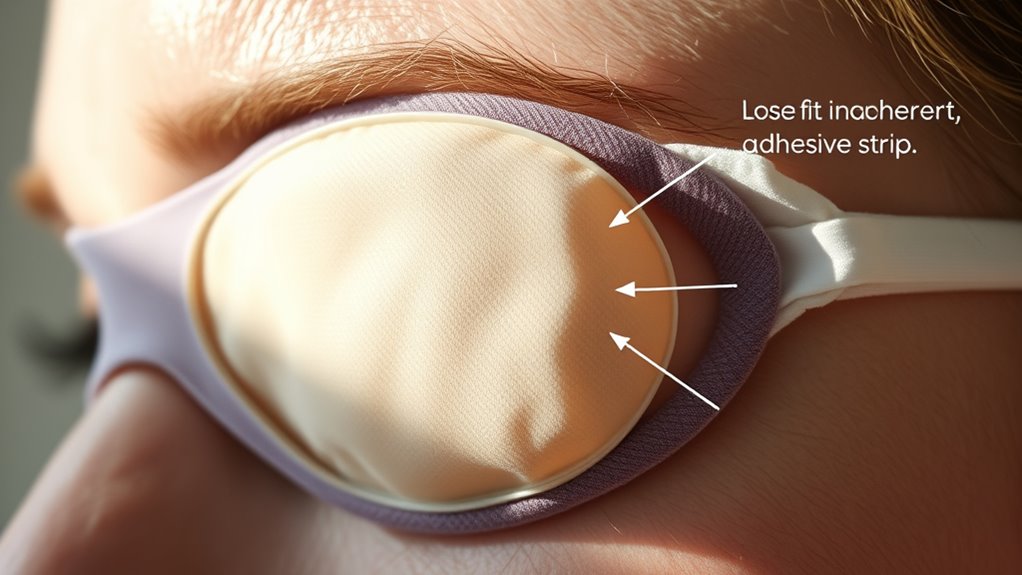
Wearing an eye patch might seem straightforward, but many people make simple mistakes that can reduce its effectiveness or cause discomfort. One of the most common errors involves neglecting proper hygiene. If you don’t clean your hands before applying or removing the patch, you risk transferring dirt, bacteria, or oils into your eye area, which can lead to irritation or infection. Always wash your hands thoroughly with soap and water beforehand. Additionally, guarantee the patch itself is clean—use a fresh, sterile patch each time to prevent the buildup of germs. If you reuse patches, wash or disinfect them according to the manufacturer’s instructions to maintain proper hygiene standards.
Proper hygiene is essential—always wash your hands and use a sterile patch to prevent infection and irritation.
Another frequent mistake relates to patch duration. Wearing the patch for too little or too long can hinder recovery. Follow your eye doctor’s instructions precisely regarding how long to keep the patch on each day. For some conditions, it’s essential to wear the patch consistently to promote healing, while for others, taking breaks is necessary. Overwearing the patch can cause skin irritation, discomfort, or even hinder the eye’s natural recovery process. Conversely, removing it too early might not give your eye enough time to heal properly, prolonging your treatment. To optimize results, set a routine and adhere to the recommended patch duration, adjusting only under medical guidance.
Many people also overlook the importance of proper application technique. Fumbling with the patch or placing it incorrectly can reduce its effectiveness. Make sure the patch covers the eye completely and adheres well to the surrounding skin without causing excessive pressure. If the patch isn’t sticking properly, look for skin oils or moisture, which can prevent adhesion. Clearing the skin with alcohol wipes before application can help improve sticking power. Also, be gentle during application to avoid unnecessary discomfort or skin irritation.
Discomfort often arises from improper fit or positioning. An ill-fitting patch can slip off easily or press uncomfortably against your skin. Choose a patch that fits your face well and fits snugly without excessive tightness. If you notice discomfort or irritation, try repositioning the patch or switching to a different size or type. Remember, comfort encourages compliance, so making sure it fits properly will help you wear it consistently and correctly. Ensuring the proper hygiene of your skin and patch can significantly improve your experience and healing process.
As an affiliate, we earn on qualifying purchases.
Frequently Asked Questions
How Often Should I Replace My Eye Patch?
You should replace your eye patch whenever it becomes dirty, damaged, or loses its proper eye patch fit. Maintaining eye patch hygiene is essential to prevent infections, so change it regularly—ideally daily or as needed. Always make certain the patch fits snugly without causing discomfort. If you notice tears, stains, or buildup, discard and use a fresh one. Properly replacing your eye patch keeps your treatment effective and your eye healthy.
Can Wearing an Eye Patch Cause Skin Irritation?
Like a knight’s armor, your eye patch can sometimes cause skin irritation if worn improperly. Wearing it too tightly or for extended periods might lead to skin irritation or allergic reactions. Always make certain your patch is clean, breathable, and fits comfortably. If you notice redness, itching, or swelling, remove it and consult a healthcare professional. Proper hygiene and fit help prevent skin irritation and allergic reactions, keeping your skin healthy and irritation-free.
Is It Safe to Wear an Eye Patch Overnight?
It’s generally safe to wear an eye patch overnight if you follow proper eye patch hygiene, such as keeping it clean and dry. However, prolonged use can cause irritation or discomfort. If you’re concerned, consider eye patch alternatives like medicated drops or ointments. Always consult your eye doctor to make certain overnight patching is appropriate and to get personalized advice for safe, effective eye care.
What Should I Do if My Eye Patch Causes Discomfort?
If your eye patch causes discomfort, you should stop wearing it immediately. Did you know that improper patch adjustment can lead to skin irritation or pressure sores? First, loosen or reposition the patch to improve comfort. Also, make sure you follow good hygiene practices by washing your hands before touching the patch and cleaning the area around your eye. If discomfort persists, consult your healthcare provider for further guidance.
Are There Specific Materials Best for Sensitive Skin?
If you have sensitive skin, choose eye patches made from hypoallergenic materials to minimize irritation. Look for options with high materials compatibility, such as soft cotton or silicone, which are gentle and less likely to cause discomfort. Always check labels for hypoallergenic tags, and test a small patch first to verify your skin reacts well. This way, you can wear your eye patch comfortably without worry.
Conclusion
So, next time you wear your eye patch, remember these tips. It’s funny how a simple mistake can affect your recovery, almost like the patch itself is trying to tell you what to do. Sometimes, a small adjustment makes all the difference—just like finding a missing puzzle piece. Stay attentive, follow the proper steps, and you’ll see better results. After all, it’s these tiny details that can turn coincidence into your biggest advantage.
Fall Picks
fall essentials
As an affiliate, we earn on qualifying purchases.