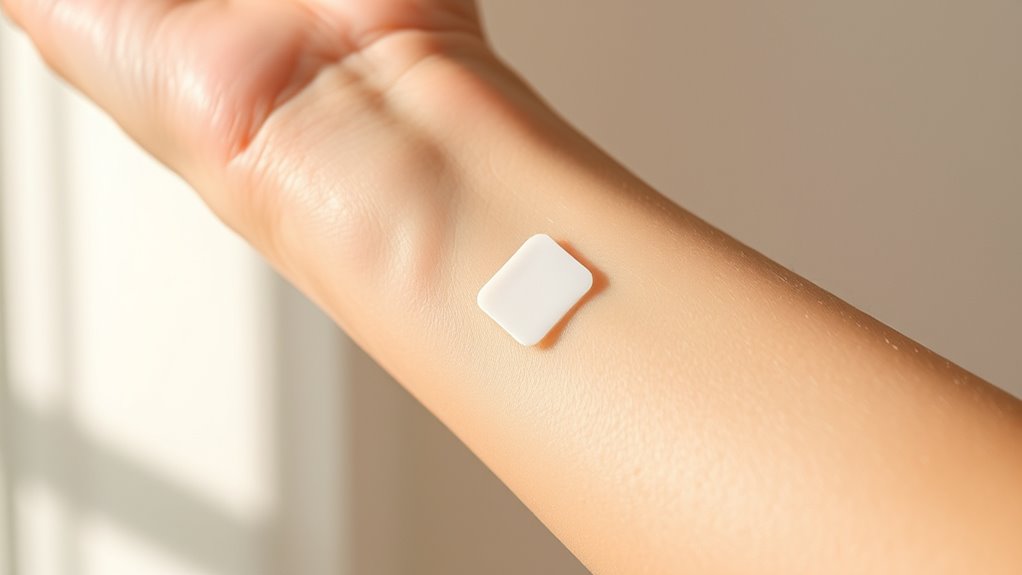

To patch test new skincare safely, clean a small area of skin such as behind your ear or on your inner forearm, then apply a dime-sized amount of the product. Cover it with a bandage or leave it uncovered and monitor for 24 to 48 hours, checking for redness, itching, or swelling. If any signs of reaction appear, wash the area and stop using the product. Following these steps helps you avoid full-face reactions and protect your skin, and there’s more to contemplate for safe testing.

Get beauty and skincare favorites delivered free with Prime
- Fast, free delivery on millions of items
- Prime Video, Amazon Music and more included
- Member-only deals all year
Key Takeaways
- Choose a small, discreet skin area like behind the ear or inner forearm for testing.
- Cleanse the skin thoroughly, then apply a small amount of the product and cover if desired.
- Keep the patch undisturbed for 24 to 48 hours, monitoring for any signs of reaction.
- Remove the patch and wash the area immediately if redness, itching, or swelling occurs.
- Wait 48 hours or more before full application, as reactions can be delayed; seek medical help if serious symptoms develop.
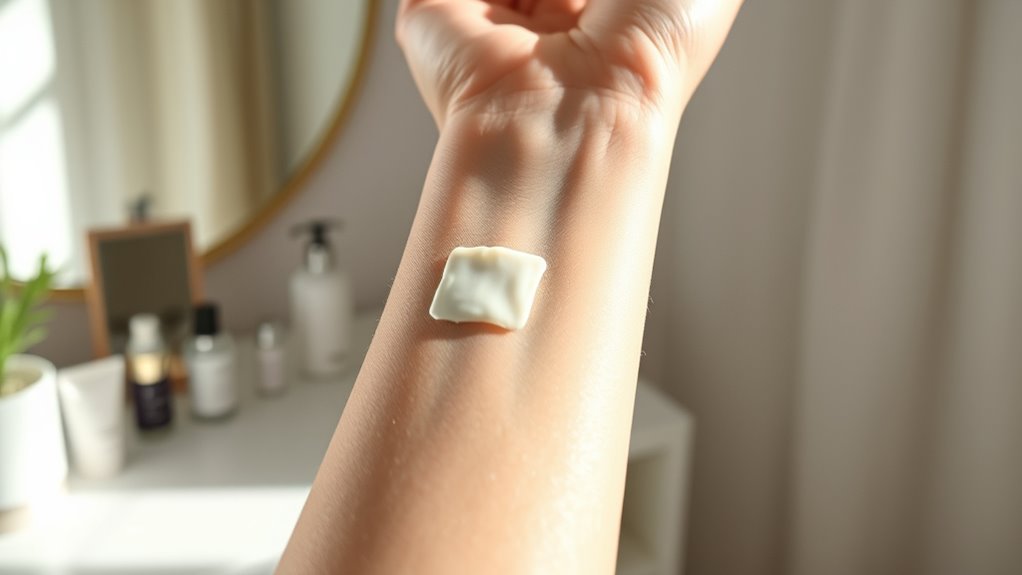
Before trying a new skincare product, conducting a patch test is vital to prevent adverse reactions. Even if a product claims to be gentle or suitable for sensitive skin, it’s best to test it first. This step helps you identify any potential allergy symptoms or ingredient sensitivity before applying the product to your entire face or body. Skipping this step can lead to redness, itching, swelling, or more severe reactions that might require medical attention. Taking a few minutes to perform a patch test can save you time, discomfort, and worry later on.
Perform a patch test first to prevent irritation and reactions from new skincare products.
Start by choosing a small, discreet area of skin for testing. Common spots include behind your ear, on your inner forearm, or along your jawline—places that are less visible but sensitive enough to detect reactions. Clean the area thoroughly with gentle soap and pat it dry. Apply a small amount of the skincare product, usually just a dime-sized amount, directly onto the patch site. Cover it with a bandage or let it sit uncovered, depending on your preference. The key is to keep the area undisturbed for at least 24 to 48 hours to observe how your skin responds.
During this period, watch for signs of allergy symptoms or ingredient sensitivity. These may include redness, itching, swelling, blistering, or a rash. Some reactions can develop quickly, while others may take longer to appear. It’s important to avoid scratching or rubbing the area, as that can exacerbate the reaction or spread irritation. If you notice any of these symptoms, wash the area immediately with water and mild soap, and avoid using the product altogether. If symptoms worsen or if you experience difficulty breathing, dizziness, or swelling beyond the initial patch site, seek medical attention promptly.
It’s also helpful to remember that sensitivity isn’t always immediate. Sometimes, repeated exposure to a particular ingredient can cause a delayed allergy symptom. If you’ve previously experienced sensitivities to certain ingredients, check ingredient lists carefully before patch testing. Even if the patch test is negative, it’s a good idea to introduce new products gradually into your routine rather than all at once. This cautious approach allows you to monitor how your skin reacts over time. Additionally, using vetted skincare products can reduce the risk of adverse reactions and ensure safety.
As an affiliate, we earn on qualifying purchases.
Frequently Asked Questions
How Often Should I Perform a Patch Test?
You should perform a patch test every time you try a new skincare product, especially if it has unfamiliar ingredients. This helps you recognize allergy symptoms early and stay aware of product ingredient safety. Apply a small amount on your skin for 24-48 hours, then observe for any irritation or allergic reactions. Regular patch testing ensures you’re protecting your skin and avoiding potential allergic responses with new products.
Can Patch Testing Prevent All Allergic Reactions?
Patch testing can’t prevent all allergic reactions, but it helps identify potential product compatibility issues early. While it reduces your risk of allergy symptoms, some reactions might still occur due to sensitivities developing later. Always monitor your skin after testing, and if you notice any irritation, stop using the product immediately. Taking this step doesn’t eliminate all risks, but it’s a smart way to protect your skin’s health.
What Should I Do if I Experience a Reaction?
If you experience a reaction, stop using the product immediately. Gently wash the affected area with mild soap and water to remove any remaining residue. Monitor for allergy symptoms like redness, swelling, or itching. If symptoms worsen or persist, seek medical advice. To prevent ingredient sensitivity issues, always patch test new skincare and watch for allergy symptoms before full application. Your prompt action helps minimize reactions and protect your skin health.
Are Patch Tests Necessary for All Skincare Products?
You don’t need to patch test every skincare product, but it’s wise if you have sensitive skin or are trying new active ingredients. Allergy myths and patch test myths often lead people to believe they’re unnecessary, but skin reactions can happen unexpectedly. Doing a patch test helps you catch potential allergies early, especially with products containing fragrances or preservatives. Trust your skin’s signals and test when unsure to avoid unwanted reactions.
How Long Does a Patch Test Take to Show Results?
A patch test usually shows allergy symptoms or ingredient sensitivity within 24 to 48 hours. You should monitor the tested area for redness, itching, or swelling during this time. If no reactions appear after 48 hours, it’s generally safe to use the product. However, keep in mind that some sensitivities can develop later, so stay attentive and stop use if any adverse symptoms arise.
Conclusion
Patch testing promotes peace of mind and paves the path to perfect skincare. By being cautious, curious, and consistent, you can confidently avoid reactions and irritations. Remember, patience and prudence prevent painful problems, while proper testing protects your skin’s health. So, take your time, trust your instincts, and treat your skin with tender care. With careful consideration and consistent checks, you’ll confidently conquer your skincare journey, cultivating a calm, clean, and confident complexion.
Halloween Picks
halloween
As an affiliate, we earn on qualifying purchases.