
If you have sensitive skin, fragrances in skincare products can cause irritation or allergic reactions, leading to redness or itching. You can opt for fragrance-free formulas or those with natural essential oils like lavender or chamomile, which offer pleasant scents without harsh chemicals. Synthetic scents are also available as safer alternatives. Want to find out how to choose the best fragrance options for your skin? Keep exploring to discover more helpful tips.
Key Takeaways
- Fragrance can cause irritation or allergic reactions, especially in sensitive skin, making awareness essential for safe skincare use.
- Natural essential oils offer fragrant alternatives that provide soothing benefits but may still trigger sensitivities in some individuals.
- Fragrance-free or synthetic scent options are suitable for sensitive skin, minimizing the risk of adverse reactions.
- Understanding your skin’s sensitivity and reading ingredient labels helps in choosing safer, hypoallergenic skincare products.
- Patch testing new products with fragrances can prevent unwanted reactions and ensure compatibility with your skin.
Fragrance is a common ingredient in many skincare products, often added to enhance scent and create a more luxurious experience. While it can make your skincare routine feel indulgent, it’s important to recognize that fragrances—whether natural or synthetic—can sometimes cause irritation or allergic reactions, especially if you have sensitive skin. You might notice redness, itching, or a burning sensation after applying certain products. If fragrances bother your skin, exploring alternatives becomes essential to maintain healthy skin without sacrificing the sensory pleasure of your routine.
One effective way to avoid potential irritation is to look for products that use natural essential oils. These oils are derived from plants and herbs, offering a variety of scents that can be both soothing and invigorating. For example, lavender, chamomile, or tea tree oil not only provide pleasant aromas but also boast beneficial properties for your skin. Using skincare with natural essential oils allows you to enjoy fragrance without the harsh chemicals that often come with synthetic scent alternatives. Keep in mind, though, that some essential oils can still cause sensitivities, so it’s wise to patch-test new products before full application.
Additionally, understanding your skin’s sensitivity and how it reacts to different ingredients can help you make informed choices about fragrances.
On the other hand, if you love the idea of scent but want to steer clear of potential irritants, synthetic scent alternatives can be a good choice. These are artificially created fragrances designed to mimic natural smells without using actual plant extracts. They’re often used in hypoallergenic or fragrance-free skincare lines to minimize the risk of adverse reactions. While they don’t contain natural oils, they can still evoke the sensory experience you desire, often at a lower cost and with less variability. However, it’s worth noting that some synthetic fragrances may still cause issues for highly sensitive skin, so always check ingredient lists carefully.
Ultimately, your choice between natural essential oils and synthetic scent alternatives depends on your skin’s sensitivities and personal preferences. If you’re prone to reactions, opting for fragrance-free or products with carefully selected natural oils might be safer. Conversely, if your skin tolerates fragrances well, you can enjoy the aromatic benefits of both options. The key is to be mindful of how your skin responds and to select products that balance pleasant scent with skin compatibility. This way, you can indulge in skincare that feels as good as it looks, without compromising your skin’s health.

The Honest Company Hydrating Face and Body Lotion, Fast Absorbing, Naturally Derived, Hypoallergenic, Fragrance-Free, Sensitive, 8.5 fl oz
Meet the moisture your fam’s skin is missing. Whether you’re massaging into your lil’ bundle of joy’s skin…
As an affiliate, we earn on qualifying purchases.
As an affiliate, we earn on qualifying purchases.
Frequently Asked Questions
Are Natural Fragrances Safer Than Synthetic Ones?
Natural fragrances, derived from natural extraction, are often considered safer because they contain fewer synthetic chemicals. However, they can still cause sensitivities or allergies in some people. Synthetic composition fragrances are usually more consistent and may contain allergens. You should always patch-test products, regardless of their source, to see how your skin reacts. Ultimately, it’s best to choose fragrances that suit your skin’s needs and sensitivities.
Can Fragrance-Free Products Still Contain Harmful Ingredients?
Yes, fragrance-free products can still contain harmful ingredients. Even without added fragrances, they might have scent masking agents or other chemicals that can trigger fragrance allergies or skin sensitivities. Always check ingredient labels carefully, especially if you’re prone to reactions. You might also want to look for products labeled as hypoallergenic or designed for sensitive skin to minimize your risk of irritation.
How Do I Identify Hidden Fragrances on Labels?
Don’t judge a book by its cover; hidden fragrances can lurk in ingredient lists. To spot them, carefully read the label and look for words like “parfum,” “aroma,” “flavor,” or “essential oils,” which often indicate fragrances. Some companies hide fragrances under generic terms, so stay vigilant. Familiarize yourself with common fragrance synonyms, and always check the ingredient list thoroughly before purchasing, especially if you’re sensitive.
Do Fragrances Affect All Skin Types Equally?
Fragrances don’t affect all skin types equally. If you have fragrance allergies or sensitive skin reactions, you’re more likely to experience irritation, redness, or itching. People with sensitive skin should opt for fragrance-free products or those with natural, mild scents. Always patch-test new skincare to prevent adverse reactions. Recognizing your skin’s response helps you choose products that keep your skin healthy and comfortable.
Are There Clinical Tests for Fragrance Sensitivity?
Yes, there are clinical tests for fragrance sensitivity. You might undergo patch testing, where small amounts of fragrance ingredients are applied to your skin to see if allergy symptoms develop. This process can reveal if fragrances cause irritation or allergic reactions, helping you avoid products that trigger sensitivity. Don’t ignore these tests—they’re your best chance to identify problematic fragrances and protect your skin from future discomfort.

Essential Oils: All-natural remedies and recipes for your mind, body and home
DK Publications Essential Oils Book
As an affiliate, we earn on qualifying purchases.
As an affiliate, we earn on qualifying purchases.
Conclusion
If you have sensitive skin, it’s best to be cautious with fragrances in your skincare. Nearly 30% of people experience irritation from scented products, highlighting the importance of choosing fragrance-free options. By opting for products without added fragrances, you reduce your risk of discomfort and allergic reactions. Remember, your skin’s health is worth prioritizing—so always read labels carefully and consider alternatives that keep your skin happy and safe.
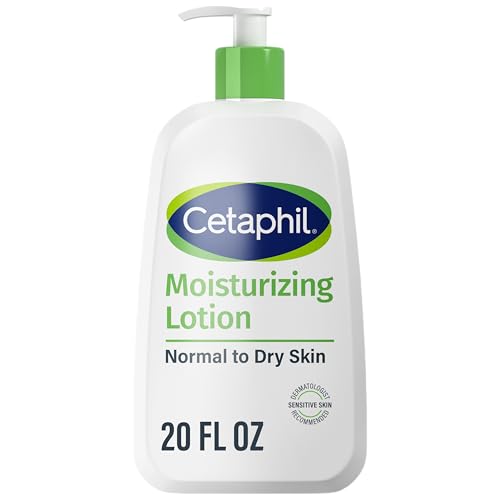
Cetaphil Face & Body Moisturizer, Hydrating Moisturizing Lotion for All Skin Types, Suitable for Sensitive Skin, NEW 20 oz, Fragrance Free, Hypoallergenic, Non-Comedogenic
CETAPHIL FACE & BODY MOISTURIZING LOTION FOR ALL SKIN TYPES: Lightweight, fast absorbing, non-greasy body lotion that's ideal…
As an affiliate, we earn on qualifying purchases.
As an affiliate, we earn on qualifying purchases.

Patch Eco First Aid Kit, Assorted Hypoallergenic Adhesive Sizes Large and Small Bandages for Sensitive Skin, Essential Medical Supplies in a Reusable Tin, Latex Free, Sensitive Skin Bandages, 77 ct
NATURAL BAMBOO BANDAGES: These strips are perfect for those with sensitive skin. PATCH Natural is designed with bamboo…
As an affiliate, we earn on qualifying purchases.
As an affiliate, we earn on qualifying purchases.