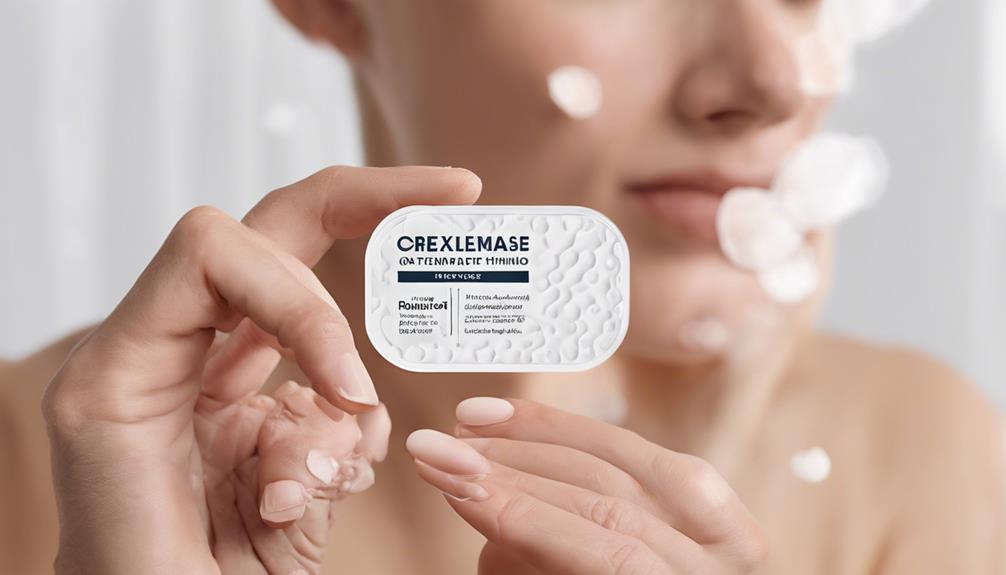

Patches for post-procedure skin are ideal when your skin is tender, inflamed, or prone to irritation after treatments like chemical peels or minor surgeries. They help protect your skin from dirt, bacteria, and friction while promoting healing and moisture retention. Use patches when you want to prevent scabbing or scarring, especially if your skin is sensitive or easily disturbed. To learn more about proper application and types, keep exploring how these patches can support your recovery.
Key Takeaways
- Patches are suitable after chemical peels, microdermabrasion, or minor surgeries to protect healing skin.
- Use patches when skin is tender, inflamed, or prone to irritation to shield sensitive areas.
- They are ideal for preventing infection and promoting faster healing by maintaining a moist environment.
- Apply patches when continuous, localized treatment or protection from external irritants is needed.
- Ensure skin is thoroughly cleaned and dry before patch application for optimal adhesion and effectiveness.
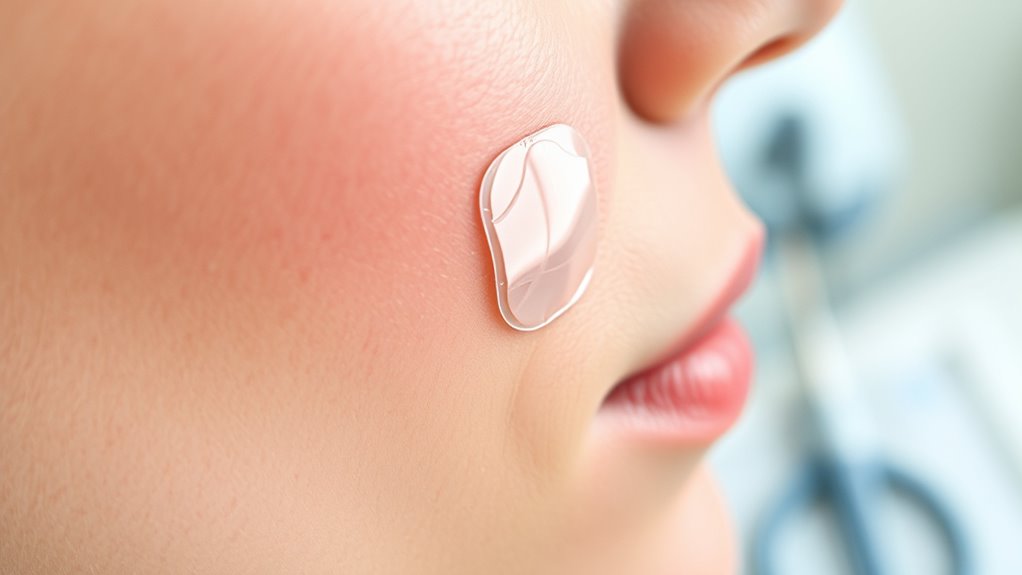
After a skin procedure, using patches can considerably aid your recovery by protecting the area and delivering targeted relief. These patches are designed to support skin healing by shielding sensitive skin from environmental irritants, reducing the risk of infection, and maintaining a moist environment that promotes faster recovery. When considering patch application, it’s essential to understand when they’re appropriate and how they can enhance your healing process.
Using patches after skin procedures promotes healing by protecting sensitive areas and maintaining a moist, infection-free environment.
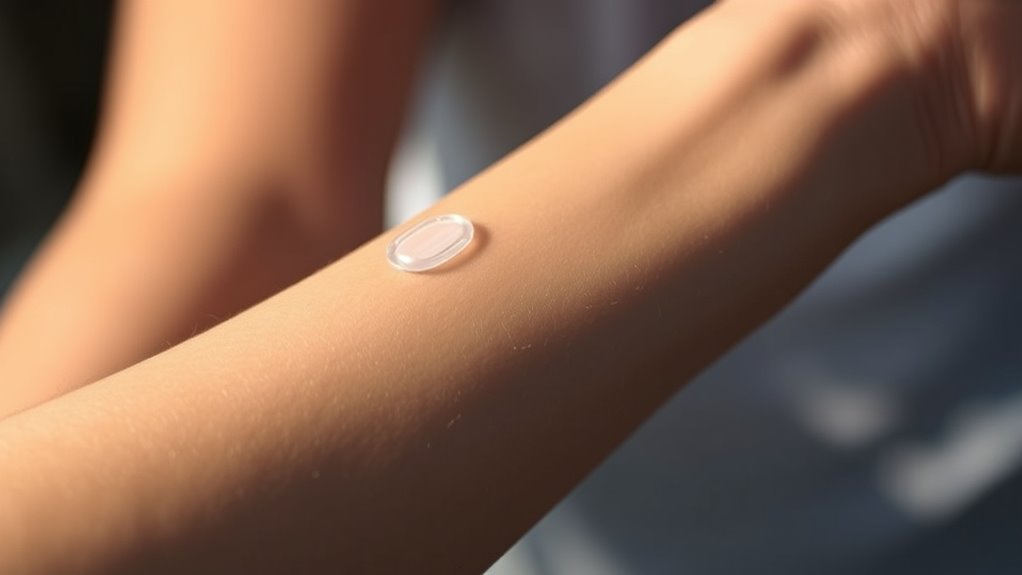
Patches are especially useful after procedures that create open or compromised skin, such as chemical peels, microdermabrasion, or minor surgical interventions. They help keep the treated area clean and protected from dirt, bacteria, and friction, which can otherwise delay healing or cause scarring. Additionally, many patches contain ingredients like hydrocolloids or medicated solutions that can soothe inflammation and provide relief from discomfort. This targeted approach ensures that the skin benefits from continuous, localized treatment without needing frequent reapplication or complex routines.
The decision to use patches depends largely on the type of procedure and your skin’s specific needs. For example, if your skin feels tender, swollen, or inflamed, patches can serve as a barrier to minimize irritation from external factors like clothing or accidental contact. They’re also beneficial if you’re prone to picking at scabs or touching the area, as they help prevent disruption of the healing process. When applying patches, it’s crucial to follow proper technique: clean the skin thoroughly beforehand and ensure the area is dry to maximize adhesion and effectiveness. Proper patch application creates a sealed environment that fosters ideal skin healing, reduces discomfort, and minimizes the risk of complications.
Furthermore, selecting patches with appropriate technology, such as those utilizing high-quality materials, can significantly improve their effectiveness and comfort during wear.
Frequently Asked Questions
Can Patches Be Used Immediately After Any Skin Procedure?
You shouldn’t apply patches immediately after any skin procedure. The timing of application depends on the procedure’s type and your skin’s healing process. It’s best to wait until your skin has sufficiently recovered before using a patch. Follow the patch removal guidelines carefully—remove it gently if irritation occurs or if instructed by your healthcare provider. Always consult your doctor to confirm it’s safe to use patches at this stage.
Are There Age Restrictions for Using Post-Procedure Skin Patches?
Age restrictions can influence patch suitability for post-procedure skin care. You should consult your healthcare provider to determine if patches are appropriate based on your age, especially for children or seniors. Generally, patches are safe for most adults, but certain formulations may have age limits. Always check product labels and seek professional advice to guarantee safe and effective use, tailoring treatment to your age-specific skin needs.
Do Patches Interfere With Other Topical Medications?
Patches can interfere with other topical medications because of potential medication interactions. You should check patch compatibility with your current treatments, as some patches may alter absorption or cause reactions. Always consult your healthcare provider before applying a patch, especially if you’re using multiple topical products. They can advise you on safe use, ensuring your medications work effectively without adverse interactions.
How Long Should I Leave a Patch on After a Procedure?
You should typically leave the patch on for the duration recommended by your healthcare provider, usually between 24 to 48 hours. Remember, patch removal timing is vital to prevent irritation or interference with healing. Keep an eye on your skin—if you notice redness or discomfort, remove the patch sooner. Always follow specific instructions provided with your patch, and consult your doctor if you’re unsure about the ideal patch duration after your procedure.
Are There Specific Patches for Allergic or Sensitive Skin?
Yes, there are specific patches designed for allergic or sensitive skin. Look for hypoallergenic options that minimize irritation and suit skin sensitivity. These patches use gentle adhesives and avoid common allergens, making them safer for delicate skin. Always check the product labels for hypoallergenic labels, and consult your healthcare provider if you’re unsure about a patch’s suitability, especially if you have known allergies or sensitivities.
Conclusion
When deciding to use patches after a procedure, trust your judgment and your skin’s unique needs. Patches can be a game-changer, offering protection and promoting healing, but they’re not always necessary. Use them wisely—sometimes, a simple bandage suffices, and other times, your skin deserves the best of the best. Remember, choosing the right patch can make or break your recovery, turning a minor bump in the road into a smooth journey to radiant, healthy skin.