Overnight patches can cause you to wake up dry if they use harsh materials or ingredients that strip your skin’s natural moisture. Factors like poor application, incorrect placement, or sleeping positions also play a role. Ingredients such as alcohol or fragrances may irritate or dry out your skin further. If you want to prevent wake-up dryness, understanding how patch ingredients, materials, and your sleep environment interact is key — keep exploring for more tips.
Key Takeaways
- Harsh or irritating patch materials can compromise the skin barrier, leading to increased dryness overnight.
- Ingredients like alcohol, fragrances, and drying agents in patches strip natural oils, causing dehydration.
- Incorrect application on irritated or broken skin reduces moisture retention and worsens dryness.
- Sleeping positions exposing skin to dry air or low humidity environments accelerate overnight moisture loss.
- Using patches with ineffective or incompatible hydrating ingredients may fail to prevent, or even worsen, wake-up dryness.
How Do Overnight Patches Affect Your Skin’s Moisture?
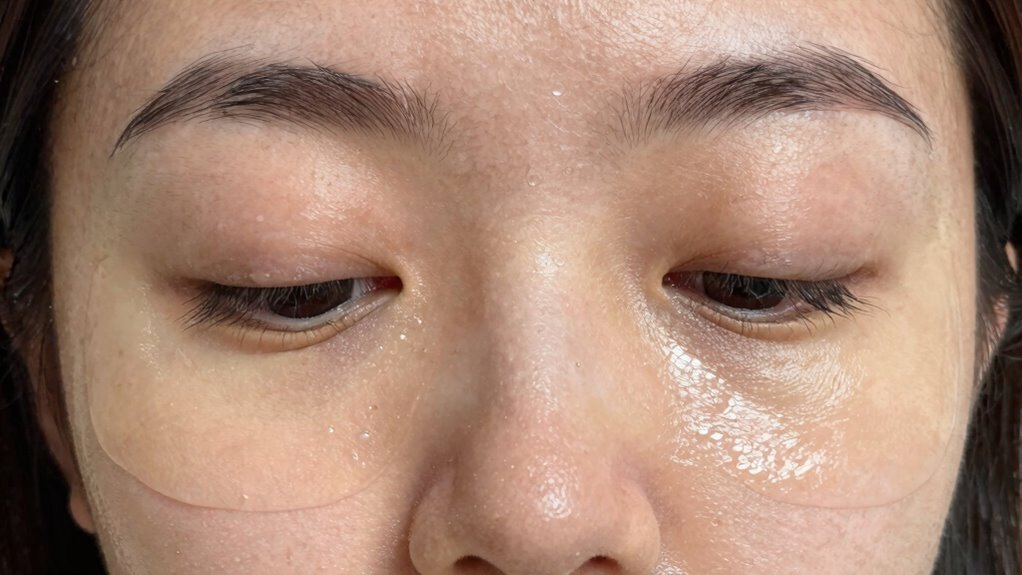
Overnight patches are designed to deliver active ingredients directly to your skin while you sleep, and they can substantially influence your skin’s moisture levels. The patch material plays a pivotal role in how your skin reacts; some materials are gentle and breathable, while others might cause irritation. If you have sensitive skin, choosing patches made from hypoallergenic, soft materials can help prevent dryness or redness. The interaction between the patch material and your skin’s sensitivity determines whether your skin retains moisture or becomes dehydrated. Properly formulated patches with hydrating ingredients can boost moisture, but if the material causes irritation, it might compromise your skin barrier. Additionally, understanding the skin’s barrier function can help you select the most suitable patches for overnight hydration. Recognizing how patch material interacts with your skin can further enhance your hydration routine and minimize adverse reactions. Selecting the right material type can also influence how well your skin maintains hydration and recovers overnight, especially when considering the importance of proper application techniques to maximize benefits. Being aware of the impact of climate and environment can also help you choose patches that are best suited for your specific conditions and skin needs.
Why Do Some Patches Cause You to Wake Up Dry?
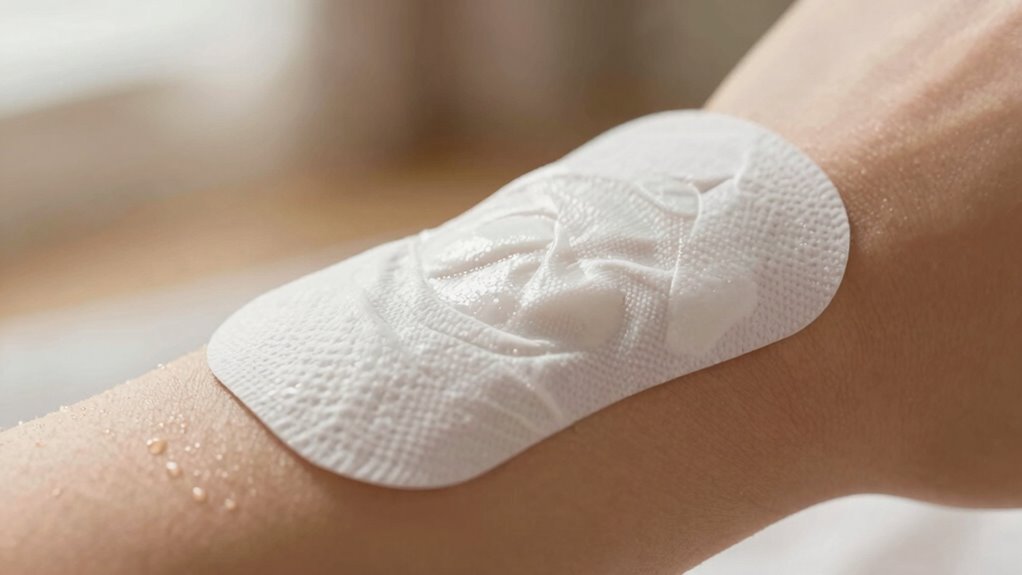
Have you ever noticed waking up with dry, tight skin after using certain patches? This often happens because of the patch’s ingredients and how your skin absorbs them overnight. Some patches contain ingredients that irritate your skin or draw moisture out, leading to dryness. The level of skin absorption varies depending on the patch’s formulation and your skin type, influencing how much moisture is lost.
| Patch Ingredients | Skin Absorption Effects |
|---|---|
| Harsh chemicals | Increased dryness |
| Hydrating agents | Reduced dryness |
| Irritants | Skin barrier damage |
Patches with aggressive ingredients or high absorption rates can strip moisture, causing you to wake up feeling dry and uncomfortable.
Which Ingredients in Patches Might Drain Your Skin?
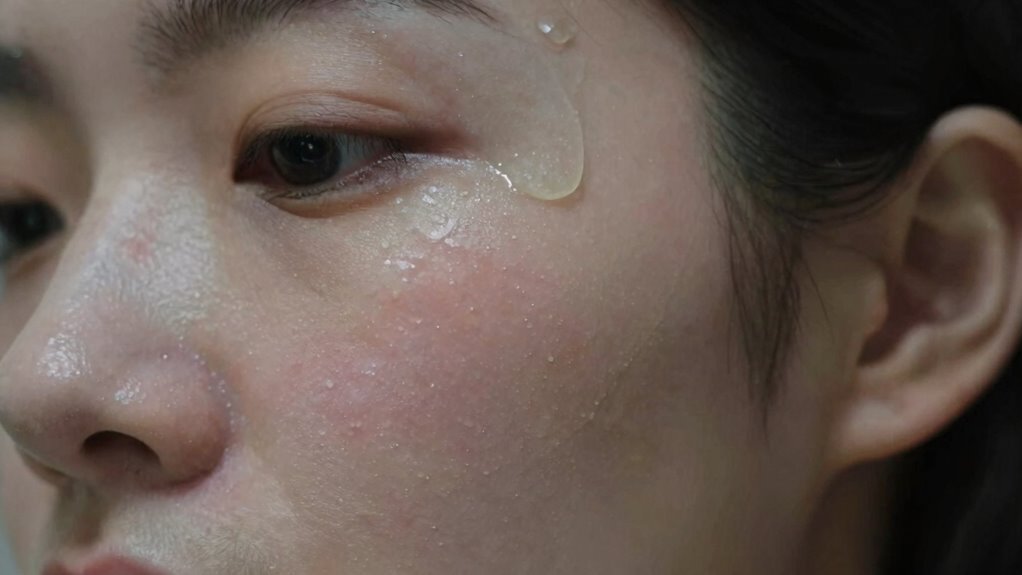
Certain ingredients in patches can actively drain your skin’s moisture, leading to dryness and irritation. Ingredients sensitivity varies from person to person, so some may react negatively to specific components. For example, alcohol-based or astringent ingredients are common in patch formulation but can strip away natural oils, worsening dryness. Color accuracy can impact overall image quality, making it essential to choose products that support healthy skin. Fragrances and preservatives added for scent and stability may also cause irritation or sensitivity, especially if your skin is prone to reactions. It’s essential to scrutinize the ingredient list before applying a patch. If you notice that a patch contains drying agents or irritants, it’s best to avoid it or perform a patch test first. Choosing patches with gentle, hydrating ingredients reduces the risk of moisture loss and skin discomfort overnight. Additionally, selecting products with soothing and nourishing ingredients can help support your skin’s barrier and prevent dryness. Being aware of ingredient sensitivities can further aid in choosing products that won’t compromise your skin’s hydration and health. Incorporating hydrating ingredients like hyaluronic acid or glycerin can also improve skin moisture retention and overall comfort. Moreover, understanding how free floating compounds can influence skin hydration helps in selecting effective skincare solutions.
How Can You Tell if Your Patches Are Drying Out Your Skin?

How can you tell if your patches are drying out your skin? Look for signs like redness, irritation, or peeling around the patch area. If your skin feels tight or uncomfortable after removing the patch, it might be a sign of dryness caused by the patch material. Also, pay attention if you notice increased ingredient sensitivity, such as itching or burning, which can indicate your skin is becoming compromised. Some patch materials can be more drying than others, especially if they absorb moisture or cause irritation. If you notice these symptoms consistently, it’s a good idea to reassess the patches you’re using, especially if they contain ingredients that may be drying out your skin or triggering sensitivities. Additionally, considering the material composition of your patches can help determine whether they are more likely to dry out your skin. Being aware of your skin’s barrier function can also provide insight into how well your skin is resisting dryness and irritation from external products. Incorporating moisturizing ingredients into your skincare routine may help mitigate some of these effects and support your skin’s resilience. Monitoring your skin hydration levels regularly can help you identify early signs of dryness and adjust your routine accordingly.
How to Choose Hydrating Overnight Patches
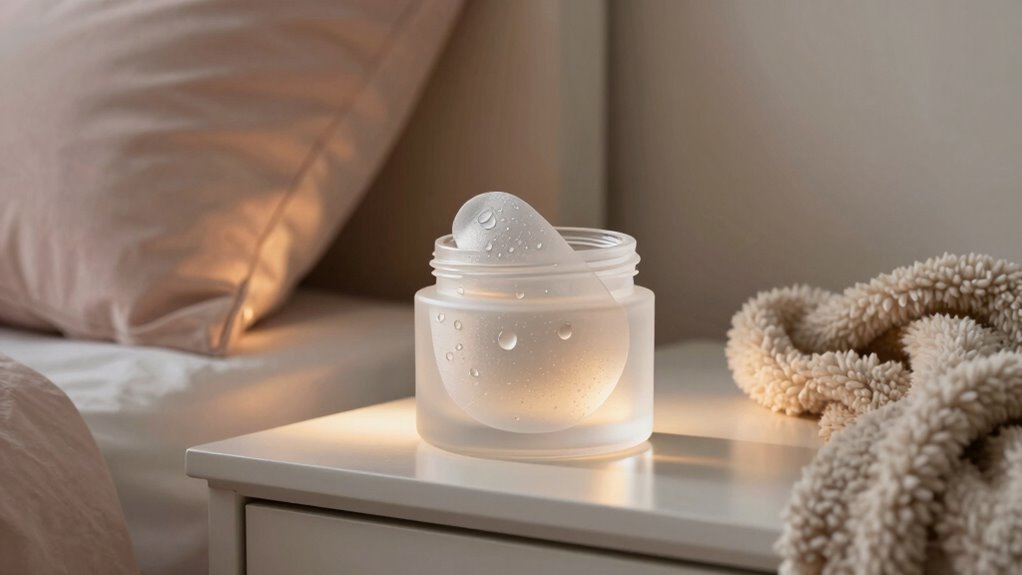
When selecting hydrating overnight patches, focus on key ingredients like hyaluronic acid or glycerin that boost moisture. Consider your skin type to guarantee the patch’s compatibility, whether you have sensitive, oily, or dry skin. Finally, follow application tips for better absorption and maximum results.
Key Hydrating Ingredients
Choosing the right hydrating ingredients in overnight patches guarantees your skin gets the moisture it requires to look refreshed and plump by morning. Look for ingredients that boost moisture retention, such as hyaluronic acid, glycerin, and aloe vera. These substances attract water to your skin cells, ensuring long-lasting hydration. Additionally, prioritize ingredient efficacy—select ingredients proven to deliver visible results, like plant extracts or peptides that support skin barrier function. Incorporating effective hydrating agents can also help maintain a fresh feeling upon waking. Moreover, choosing patches with advanced delivery systems can enhance the absorption of these nourishing ingredients, maximizing their benefits. Remember that preventive maintenance through proper hydration plays a crucial role in overall skin health. Avoid patches with harsh chemicals or synthetic fragrances, as they can compromise moisture retention. By focusing on these key ingredients, you assure your skin absorbs and retains moisture effectively overnight, leading to a more supple, smooth, and revitalized complexion come morning.
Compatibility With Skin Types
Selecting the right overnight patch means considering your skin type to guarantee ideal hydration and comfort. If you have sensitive skin, look for patches made from gentle, hypoallergenic patch material that minimize irritation. For oily or acne-prone skin, choose breathable, non-comedogenic materials that won’t clog pores. Those with dry or mature skin benefit from patches with thicker, moisture-rich patch material that delivers intense hydration. Always check ingredients and patch material labels to assure compatibility with your skin sensitivity. Avoid harsh chemicals or fragrances that could trigger reactions. By matching the patch material to your skin type, you ensure a comfortable, effective experience without irritation or dryness. This careful selection helps your skin absorb hydration efficiently while maintaining its health. Understanding the ingredients in your patches can further optimize their effectiveness and safety. Knowing your skin type can guide you in choosing the most suitable patches for your unique needs. Additionally, being aware of the hydration level provided by different patches can help you select options that meet your specific moisture needs. Incorporating patches with appropriate material composition can also minimize potential irritation and improve overall results, especially when you consider the evolution of arcade games and how technology has advanced to improve user experience.
Application And Usage Tips
To get the most out of your overnight patches, it’s essential to apply them correctly and follow proper usage tips. First, guarantee patch hygiene by washing your face thoroughly before application to remove dirt and oils that can hinder adhesion. Always check ingredient safety; choose patches with safe, dermatologist-approved ingredients to avoid irritation. When applying, gently press the patch onto clean, dry skin, avoiding areas with open wounds or active breakouts. Follow the manufacturer’s instructions regarding how long to wear the patch and whether to remove it in the morning. Proper storage also matters—keep patches in a cool, dry place to maintain their efficacy. Additionally, proper patch storage helps preserve their hydration benefits and prevents contamination. Maintaining product integrity through correct storage is crucial for optimal results. By practicing good patch hygiene and selecting safe ingredients, you maximize hydration benefits and reduce the risk of adverse reactions.
Proper Ways to Apply Patches for Better Hydration
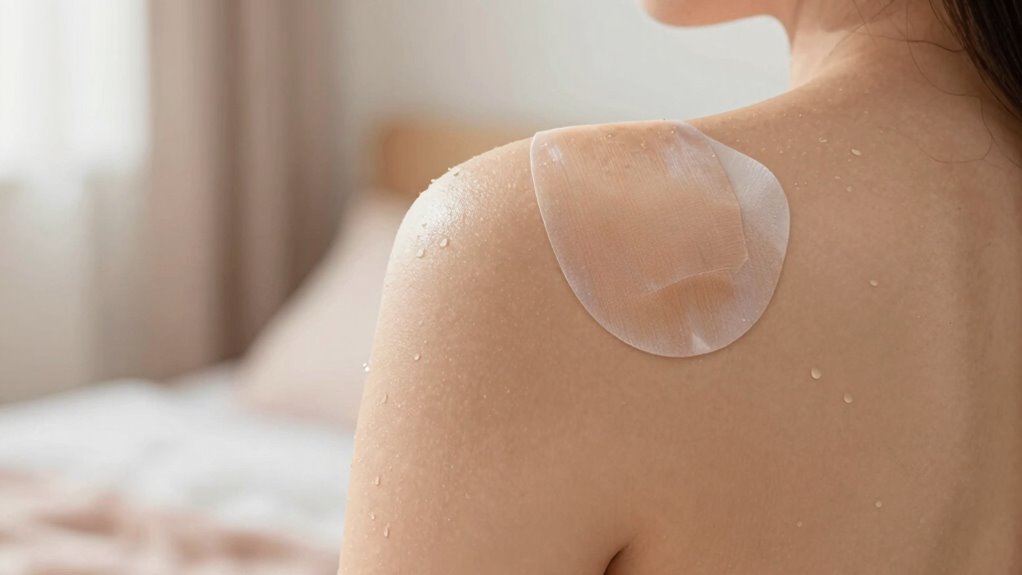
Applying patches correctly can considerably enhance their hydrating effects, making sure your skin absorbs the moisture more effectively. Start with clean, dry skin to remove oils and dirt that could block absorption. Gently press the patch onto your skin, making sure it adheres well, especially around the edges. Pay attention to patch ingredients; some formulations are designed for sensitive skin, so choose those suited to your skin sensitivity. Avoid applying patches over broken or irritated skin, as this can cause irritation or reduce effectiveness. For ideal hydration, don’t stretch or pull the patch during application. Proper placement and gentle smoothing help maximize contact, allowing the ingredients to penetrate deeply and hydrate thoroughly overnight. Following these steps ensures you get the most out of your patch’s hydrating properties.
Using Patches With Your Hydration Routine: Tips & Tricks

To get the most out of your hydration patches, focus on ideal placement on clean, moisturized skin. You can also enhance your routine by combining patches with other hydration methods, like drinking water or using topical serums. Experimenting with different strategies helps you find what works best for your skin and hydration goals.
Optimal Patch Placement
Choosing the right spots for your patches can substantially boost their effectiveness alongside your hydration routine. Focus on areas with clean, dry skin, avoiding spots with hair, scars, or skin sensitivities. Patch design matters—select patches that fit comfortably and adhere well without causing irritation. To reduce discomfort, test a small skin area first if you have sensitivities. Place patches on parts of your body where they’ll stay secure overnight, like your upper arms, shoulders, or thighs. Avoid placing patches on areas that bend or stretch during sleep, as this can cause them to peel off prematurely. Proper placement ensures ideal absorption and minimizes skin reactions. Adjust your patch position as needed to find what works best without irritating your skin.
Combining Hydration Strategies
Integrating patches into your hydration routine can profoundly enhance their effectiveness. To maximize benefits, combine patches with good sleep hygiene, like maintaining a cool, dark environment. Always check product labeling to guarantee compatibility with your hydration plan. For example, pairing patches with drinking water throughout the night helps boost hydration levels. Keep a steady routine by applying patches at the same time each night, reinforcing sleep habits. Here’s a quick guide:
| Hydration Strategy | Benefits |
|---|---|
| Using patches | Targeted moisture delivery |
| Drinking water | Supports overall hydration |
| Maintaining sleep hygiene | Ensures deep, restorative sleep |
| Consistent routine | Reinforces hydration and sleep habits |
| Checking product labeling | Ensures safe, effective use |
This approach ensures you wake up refreshed and well-hydrated.
Alternatives to Overnight Patches for Keeping Skin Moisturized

If overnight patches aren’t your preferred method for keeping skin moisturized, several effective alternatives exist. You can incorporate moisturizer alternatives like hyaluronic acid serums, which boost skin hydration by attracting moisture. Using a gentle, hydrating cleanser helps maintain your skin’s natural barrier and prevents dryness. Applying a thicker, occlusive moisturizer before bed creates a protective barrier that locks in moisture throughout the night. Incorporate facial oils such as jojoba or squalane to seal in hydration without feeling heavy. Additionally, using a humidifier in your bedroom adds moisture to the air, supporting your skin’s hydration needs. These options offer flexible, effective ways to keep your skin supple and hydrated without relying solely on overnight patches.
What To Do When You Wake Up Dry Despite Using Patches?
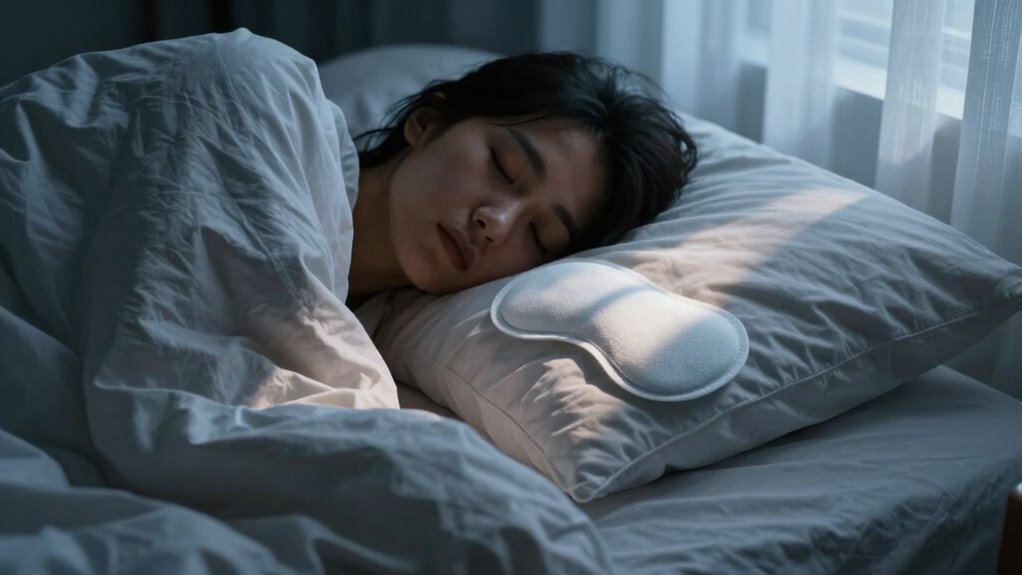
If you wake up with dry skin despite using patches, start by checking their placement to guarantee they’re making proper contact. Next, consider improving your sleep environment by adjusting humidity levels or room temperature. Small changes in these areas can make a significant difference in how well your skin stays hydrated overnight.
Check Patch Placement
Have you checked whether your patch is properly positioned? Correct patch placement is essential for effective absorption and avoiding dry mornings. Make sure the patch adheres firmly to your skin without gaps or wrinkles, as loose or misaligned patches can reduce medication delivery. It’s also important to consider your skin sensitivity; if your skin is irritated or overly sensitive, the patch may not stick well or could cause discomfort, leading to improper placement. Check that you’re applying the patch on a clean, dry, and hairless area to ensure ideal adhesion. If you notice the patch shifting overnight, reposition it or try a different area that’s less prone to movement. Proper patch placement minimizes the risk of dry mornings and maximizes the patch’s effectiveness.
Improve Sleep Environment
Waking up dry despite using patches can be frustrating, but adjusting your sleep environment may help improve moisture retention. Your sleep position and bedroom humidity play vital roles. If you sleep on your stomach or side, you might be exposing your skin to more air, increasing dryness. Consider changing your sleep position to a more neutral one to reduce this effect. Additionally, maintaining ideal bedroom humidity—around 40-60%—can prevent your skin from drying out overnight. Using a humidifier or opening a window can help regulate moisture levels. Small adjustments can make a significant difference in how your skin retains moisture, helping you wake up feeling more refreshed and less dry. Focus on creating a cozy, balanced environment for better overnight hydration.
When Should You See a Dermatologist About Dry Skin?
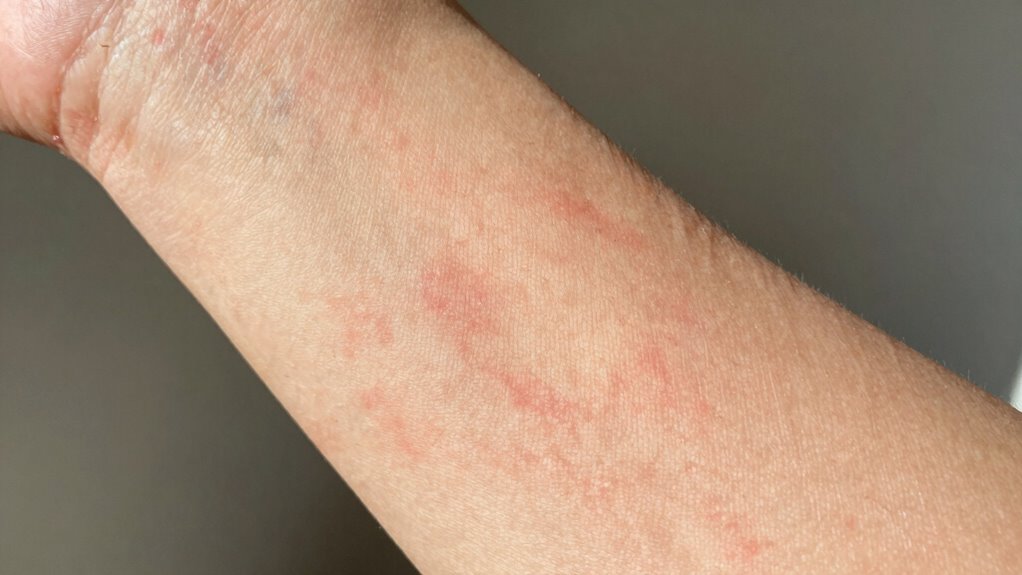
Dry skin can often be managed with simple over-the-counter remedies, but sometimes, it’s a sign you need professional help. If your skin sensitivity worsens or patches last longer than a week despite treatment, it’s time to see a dermatologist. Persistent dryness may indicate underlying conditions like eczema or psoriasis that require targeted care. Also, if you notice increased patch longevity or redness, don’t ignore these signs.
| Symptom | When to Seek Help | Why It Matters |
|---|---|---|
| Skin sensitivity increases | After trying home remedies for 2 weeks | Underlying issues may be present |
| Patches last over a week | No improvement with OTC treatments | Possible skin condition |
| Redness or irritation | Continues despite moisturizing | May signal infection or allergy |
Frequently Asked Questions
Can Allergies Influence How Patches Affect Skin Hydration?
Yes, allergies can influence how patches affect your skin hydration. If you have allergic reactions or skin sensitivity, you might experience irritation or dryness when using patches. These reactions can compromise your skin’s barrier, making it harder to retain moisture. It’s important to check ingredients and do a patch test first. If you notice redness or dryness, consider stopping use and consulting a dermatologist to find suitable options for your sensitive skin.
Are There Specific Skin Types More Prone to Dryness From Patches?
If you have sensitive or oily skin, you’re more prone to dryness from patches. Sensitive skin reacts more easily to ingredients, leading to irritation and moisture loss. Oily skin can also become dehydrated, especially if patches disrupt your skin’s balance. To avoid dryness, choose patches formulated for your skin type and always follow instructions. Monitoring your skin’s response helps prevent overnight dryness and keeps your skin healthy.
How Long Should I Leave an Overnight Patch on My Skin?
A stitch in time saves nine, so follow the patch duration recommended by the manufacturer—usually 6 to 8 hours. You want enough time for proper skin absorption without risking irritation or dryness. Leaving it on too long can cause discomfort or dryness, while too short might reduce effectiveness. Always check the instructions, and if your skin feels irritated, remove the patch sooner. Your skin’s health is worth the attention!
Do Different Brands of Patches Have Varying Effects on Moisture?
Yes, different brands of patches can affect moisture differently because of variations in patch material and fragrance sensitivity. Some patches use breathable, moisture-wicking materials that help maintain hydration, while others may contain fragrances or adhesives that cause dryness or irritation. You should choose patches suited to your skin type, especially if you’re fragrance-sensitive, to guarantee they support your moisture needs effectively and prevent waking up dry.
Is It Safe to Use Multiple Patches Simultaneously for Enhanced Hydration?
Don’t put all your eggs in one basket, especially with overnight patches. Using multiple patches simultaneously can be risky due to patch compatibility and ingredient interactions, which might cause irritation or reduce effectiveness. Always check the labels and consult your healthcare provider. Mixing patches doesn’t necessarily mean better hydration. Instead, follow the instructions carefully and choose the right product for your skin’s needs for safe, effective overnight moisture.
Conclusion
If you’re still waking up dry despite using overnight patches, it’s time to reassess your choices. Are you selecting the right patches with nourishing ingredients? Remember, your skin’s health depends on gentle hydration and careful product selection. Don’t ignore persistent dryness—your skin deserves extra attention. Isn’t it worth finding the patches that truly work for you? Prioritize ingredients, listen to your skin, and consider consulting a dermatologist for personalized advice.