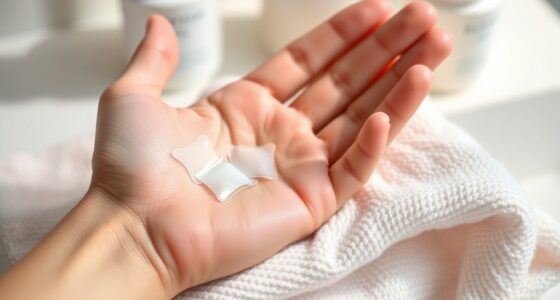
To make patches stick without irritation, start by thoroughly cleaning and drying your skin, avoiding lotions or oils. Prepare the surface with alcohol wipes or gentle exfoliation for better adhesion. Press the patch firmly for at least 30 seconds and avoid touching the adhesive side. Use barrier films or adhesive sprays if needed for extra hold. Regularly check and gently adjust the patch during wear. Keep in mind the best techniques to guarantee secure and comfortable adhesion—more tips await you.
Key Takeaways
- Prepare skin thoroughly by cleaning, drying, and gently exfoliating to enhance adhesion and reduce irritation.
- Choose flexible, breathable patches with gentle adhesives suited to your skin type.
- Apply patches with firm pressure on clean, dry skin and avoid touching the adhesive side.
- Use barrier films or adhesive enhancers for extra hold, especially in moist or active conditions.
- Remove patches carefully with warm water or oil, peeling slowly along hair growth to prevent skin irritation.
Why Good Patch Adhesion Matters for Comfort and Effectiveness
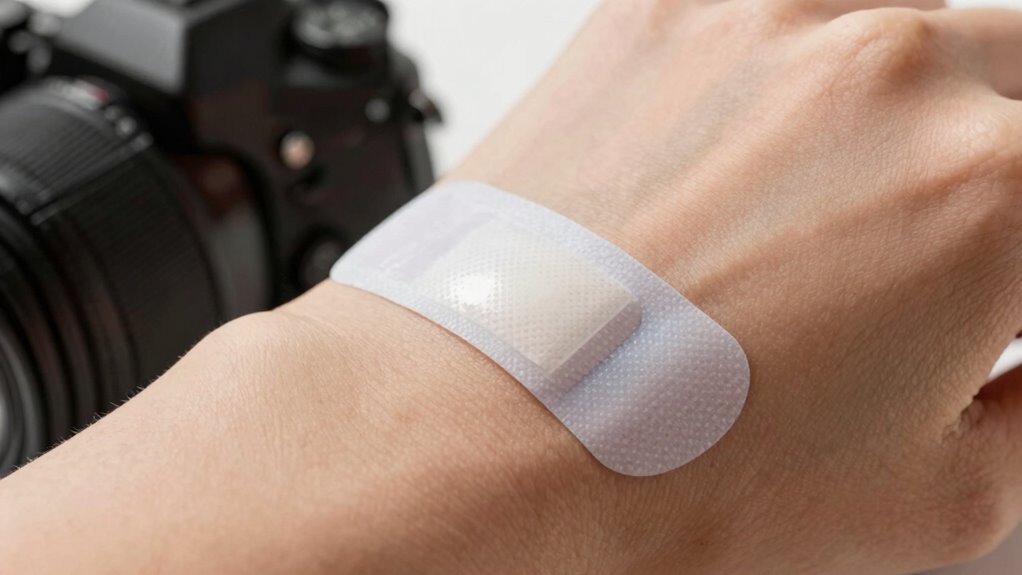
Good patch adhesion is essential because it directly impacts both your comfort and the patch’s effectiveness. When adhesion challenges occur, the patch may lift or fall off, reducing medication delivery or sensor accuracy. Poor adhesion can cause discomfort, skin irritation, and frustration, making it harder to wear the patch consistently. Ensuring strong adhesion helps maintain consistent contact, which improves comfort by preventing unnecessary movement or rubbing. Proper preparation of the skin, such as cleaning and drying the area, can significantly enhance patch adhesion and help achieve better results. Additionally, choosing patches with suitable adhesion properties can optimize their performance across different skin types. It is also beneficial to consider the influence of skin oils and sweat on adhesion, as these factors can compromise patch stability. External factors like temperature and humidity can further affect how well a patch stays in place. It guarantees the patch stays in place long enough to deliver its full dose or function properly. Addressing adhesion challenges early means you experience fewer disruptions and better results. Using suitable essential oils can help improve skin condition and enhance adhesion, making patches more secure. Ultimately, good adhesion enhances your overall experience, making patches feel more secure and comfortable, so you can focus on your daily activities without worry.
How to Choose the Best Patch Material for Your Skin
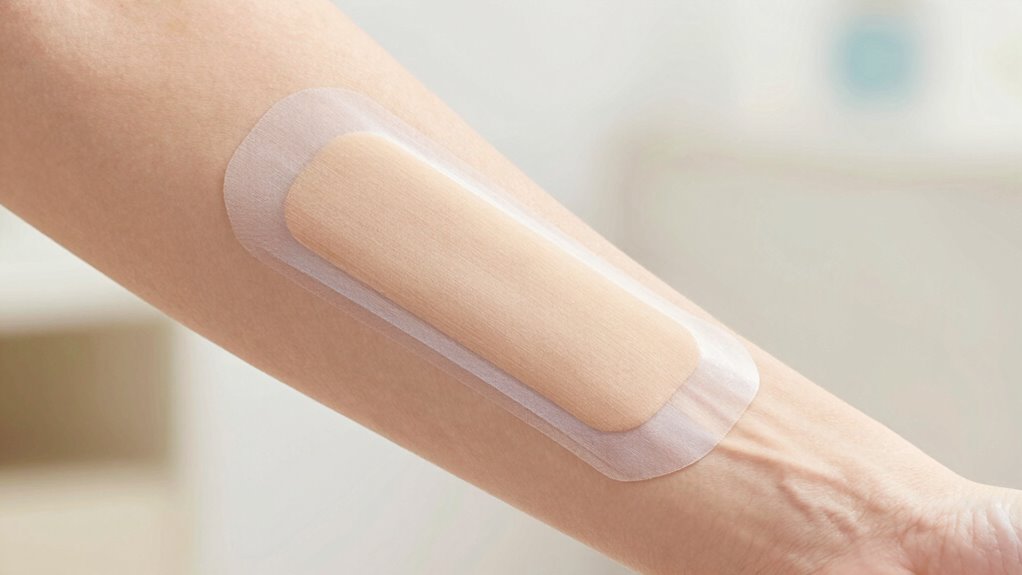
Choosing the right patch material can make all the difference in how comfortably and securely your patch stays on your skin. Look for materials with good adhesive properties that guarantee the patch stays put without causing irritation. Also, consider material flexibility; flexible patches conform better to your skin’s movements, preventing them from peeling or causing discomfort. To choose wisely, keep these points in mind:
- Check for strong yet gentle adhesive properties suited for your skin type.
- Opt for materials that are flexible enough to move with your body.
- Avoid stiff or overly sticky materials that might cause irritation or discomfort.
Prepare Your Skin Properly to Make Patches Stick Better
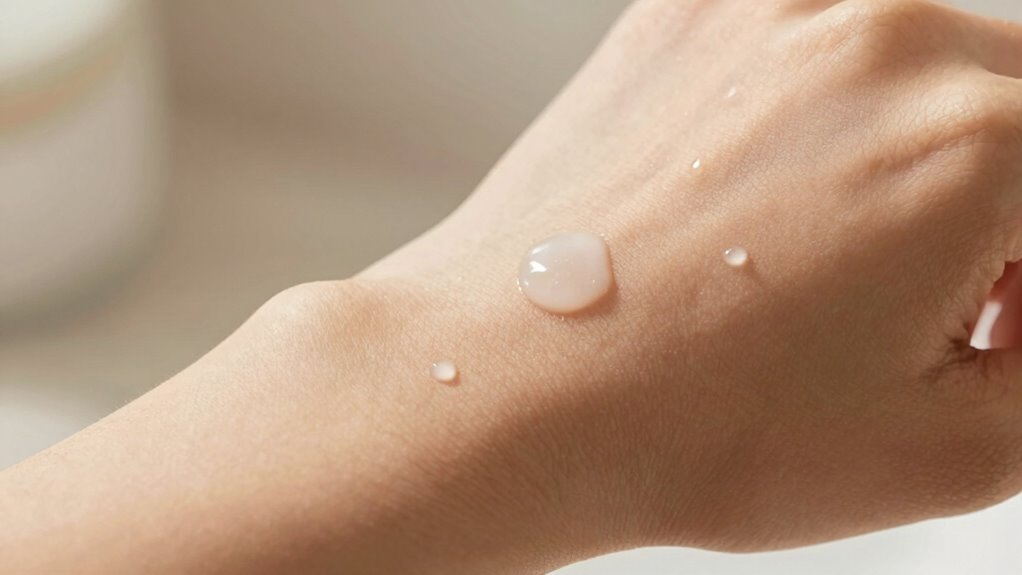
To guarantee your patches stay put, start by thoroughly cleansing your skin to remove oils and dirt. Make sure your skin is completely dry before applying the patch, as moisture can reduce adhesion. Consider using suitable skin preparers, like mild alcohol wipes, to create a better surface for sticking. Employing quality application techniques can further enhance patch adhesion and longevity. Additionally, choosing patches made from breathable materials can help improve comfort and adhesion over time.
Cleanse Skin Thoroughly
Before applying a patch, it’s essential to cleanse your skin thoroughly to guarantee maximum adhesion. Removing dirt, oils, and lotions ensures the hydrocolloid layers can bond effectively, enhancing adhesive strength. To optimize this step:
- Use a gentle, alcohol-free cleanser to remove surface oils.
- Pat your skin dry completely, avoiding moisture that can weaken adhesion.
- Wait a minute for your skin to dry fully before applying the patch.
- Incorporate a clothing and skincare routine that minimizes residual oils and lotions to maintain a clean surface.
This process creates a clean surface, allowing the patch to stick better and stay secure longer. Proper cleansing minimizes the risk of irritation and ensures the adhesive strength is at its peak, making your patch more effective and comfortable throughout wear.
Dry Skin Completely
After cleansing your skin thoroughly, make sure it’s completely dry before applying the patch. Any residual moisture can weaken adhesion, so gently pat your skin with a clean towel or let it air dry. Before applying the patch, consider moisturizer application if your skin feels dry, but wait until it’s fully absorbed to prevent slipping. Proper patch storage tips are also important; keep patches in a cool, dry place to maintain their stickiness. Avoid storing patches in humid environments, which can reduce their adhesion quality. Ensuring your skin is dry and free of moisture, oils, or lotions will help the patch stick better and stay secure longer, reducing the risk of irritation or detachment during wear. Additionally, understanding adhesion techniques can further enhance how effectively patches stay in place on your skin. Remember that skin preparation plays a crucial role in maximizing patch adherence and comfort, especially when dealing with piercing care and avoiding oils or lotions that can compromise the adhesive. Incorporating proper skin cleansing procedures can also help improve overall patch performance and comfort. To further improve adhesion, consider proper application methods that ensure even and secure placement.
Use Suitable Skin Preparers
Using suitable skin preparers can substantially enhance your patch’s adhesion. Proper preparation is rooted in adhesion science, ensuring your patch stays secure and durable. To maximize patch durability, consider these steps:
- Clean the area thoroughly with alcohol wipes to remove oils and dirt that weaken adhesion.
- Dry your skin completely, as moisture can interfere with patch grip.
- Avoid applying lotions or creams beforehand, as they can create a barrier that reduces adhesion.
- Selecting appropriate skin products can further improve adhesion, as certain formulations are designed to enhance skin compatibility and stickiness.
- Incorporating products with adhesion-enhancing ingredients can also boost the effectiveness of your skin preparation, leading to longer-lasting patches.
- Utilizing skin preparation techniques that optimize surface conditions can further improve overall adhesion and patch performance.
- Choosing compatible adhesives tailored for sensitive skin can help prevent irritation while maintaining strong adhesion.
- Additionally, understanding the science of adhesion can guide you in selecting the best methods and products for your specific needs.
Step-by-Step: How to Apply Patches Correctly
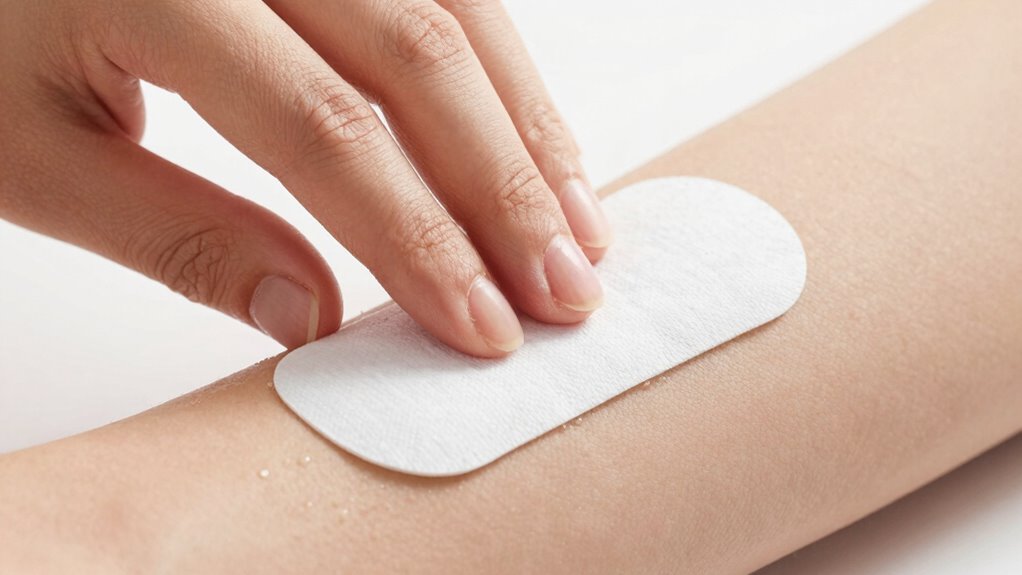
Applying a patch correctly guarantees it stays in place and delivers its intended benefits. Start by choosing a clean, dry, and smooth skin area. Remove the patch from its packaging carefully, avoiding touching the adhesive side to maintain its strength. Next, peel off any protective backing, revealing the adhesive surface. Position the patch according to the recommended placement, ensuring it’s flat and well-aligned with the skin’s surface. Gently press down, applying consistent pressure to ensure good contact. Pay attention to the patch’s design; some have curves or edges that need careful smoothing. The adhesive strength depends on proper application, so avoid stretching or pulling the patch during placement. Following these steps helps maximize adhesion and guarantees your patch stays securely in place. Proper application techniques can also prevent skin irritation and improve comfort during wear. Additionally, ensuring the skin is free of oils or lotions can enhance the adhesive bond and prolong the patch’s effectiveness. Preparing the skin properly can also help avoid irritation caused by improper application, especially when considering factors like skin preparation and environmental conditions. Being mindful of skin type and environmental factors can further improve adhesion and comfort throughout wear.
Simple Tips to Improve Patch Stickiness With Surface Prep
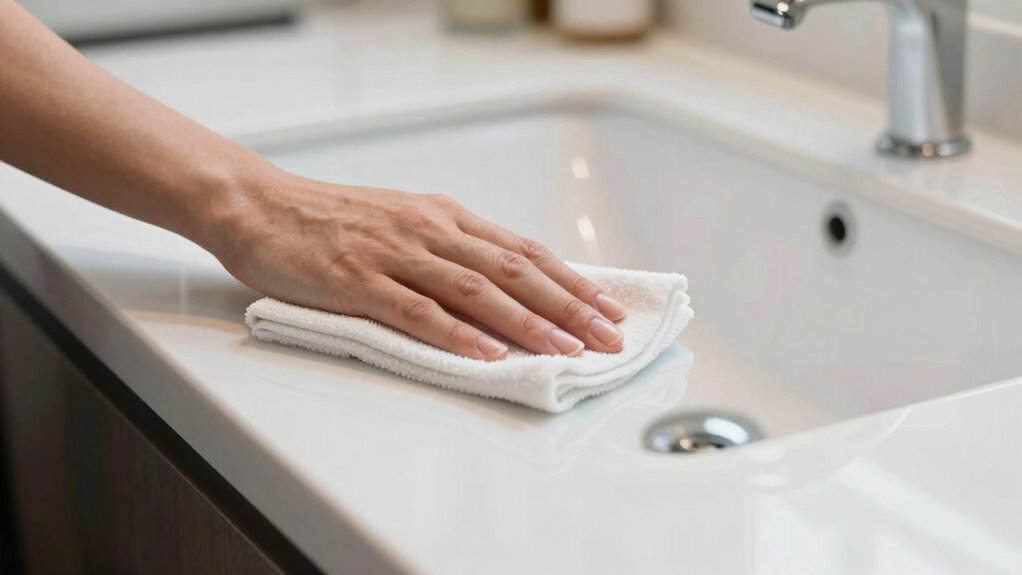
To guarantee your patch sticks well, start by thoroughly cleaning your skin to remove oils and dirt. Make sure your skin is completely dry before applying the patch to prevent slipping. Gentle exfoliation can also help by removing dead skin cells that might interfere with adhesion. Additionally, consider surface preparation techniques to ensure optimal adhesion and reduce irritation.
Clean the Skin Thoroughly
Have you ever wondered why a patch doesn’t stick as well as it should? Proper skin cleaning is key. Dirt, oils, and lotions can alter your skin’s pH and reduce adhesive strength. To guarantee ideal adhesion, follow these steps:
- Wash the area with mild soap and water, then dry thoroughly.
- Avoid lotions, oils, or powders before applying the patch.
- Use an alcohol wipe to remove any residue, which helps balance skin pH and improves stickiness.
Cleaning helps create a clean, dry surface, boosting the patch’s grip. It also ensures the adhesive interacts directly with your skin, maximizing adhesive strength. Skipping this step can lead to slippage or early detachment, so don’t overlook it.
Dry Skin Before Application
Ensuring your skin is dry before applying a patch is essential for maximum adhesion. Excess moisture can interfere with the patch’s grip, so give your skin time to dry thoroughly after cleansing. Avoid applying moisturizer right before the patch, as layering moisturizer can create a barrier that reduces stickiness. Instead, wait a few minutes to let your skin’s surface dry completely for better skin hydration and adhesion. To boost effectiveness, consider prepping your skin with a gentle wipe or patting dry with a towel. Additionally, skin surface preparation tools can help you identify which areas of your skin need more preparation for optimal adhesion. Proper surface preparation ensures the patch stays securely in place longer and reduces the likelihood of irritation.
Use Gentle Exfoliation
Did you know that gentle exfoliation can considerably boost your patch’s adherence? By promoting skin renewal, it creates a smoother surface for better adhesion. To get the best results, follow these simple tips:
- Use a mild exfoliant, like a gentle scrub or a soft washcloth, a few days before applying your patch.
- Focus on areas where the patch will sit, removing dead skin without irritating or damaging your skin.
- Avoid harsh scrubs that can cause redness or irritation, which might interfere with adhesion.
Gentle exfoliation clears away dull, flaky skin, making your skin’s surface more receptive for patches. Incorporating this step into your routine ensures better contact and longer-lasting adhesion, all while supporting healthy skin renewal.
How to Prevent Patches From Falling Off During Use
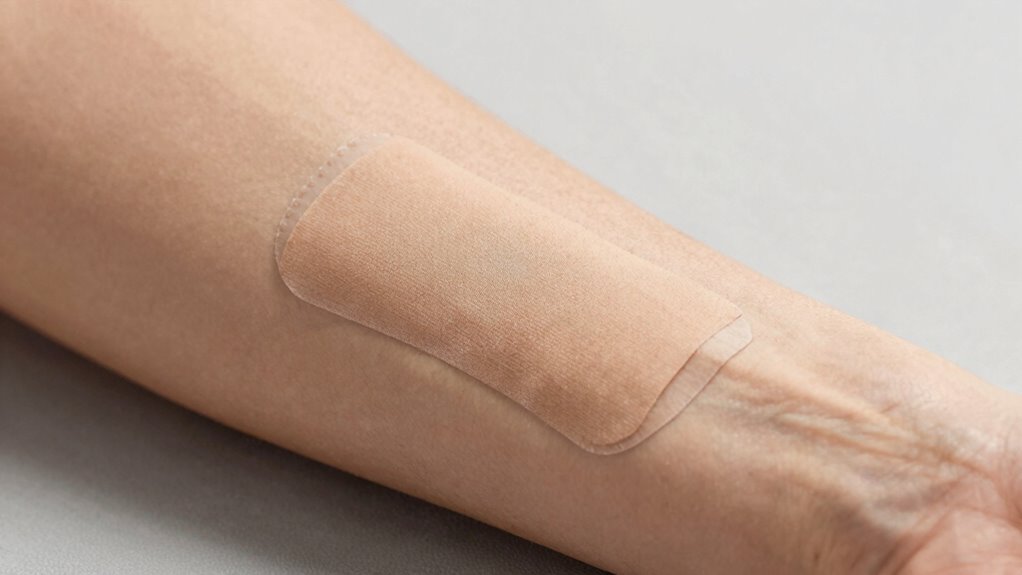
To keep your patch securely in place during use, proper preparation and application are essential. Many adhesion myths suggest that certain skin types or environments make patches less effective, but patch durability largely depends on correct technique. Before applying, ensure your skin is clean, dry, and free of oils or lotions, which can weaken adhesion. Press the patch firmly for at least 30 seconds to enhance contact. Avoid touching the adhesive side once applied to prevent contamination. Using a barrier film or adhesive enhancer can boost durability if needed. Remember, consistent application and proper skin prep are key to preventing patches from falling off. Don’t rely on myths—focus on proven techniques to maximize adhesion and keep your patch in place longer.
Safe Ways to Remove Patches and Avoid Skin Irritation

Removing a patch safely is essential to prevent skin irritation and damage. To do this effectively, consider these tips:
Removing patches gently prevents irritation and skin damage for safer, more comfortable skin care.
- Gently lift the edges using adhesion enhancers like warm water or oil, which loosen the adhesive without harming your skin.
- Use a soft cloth or your fingers to slowly peel the patch away, always working in the direction of hair growth to minimize pulling.
- After removal, cleanse the area with mild, skin-compatible products to remove any residual adhesive, reducing irritation risk.
These methods help preserve your skin’s integrity while promoting better adhesion in future applications. Always prioritize skin compatibility and avoid harsh chemicals that can cause irritation or damage.
Troubleshooting: What to Do When Patches Won’t Stick or Fall Off

When patches won’t stick or keep falling off, it can be frustrating, but there are practical steps you can take to fix the issue. First, check for adhesion myths—like thinking skin oils don’t affect patch durability. Clean your skin thoroughly, removing oils and lotions, to improve adhesion. If a patch still won’t stay, consider using a skin barrier or adhesive spray designed to boost durability. Sometimes, environmental factors like sweat or movement cause patches to loosen. Use the table below to understand the deeper factors influencing patch performance:
| Skin Condition | Adhesion Myth |
|---|---|
| Oily or sweaty skin | Oils don’t affect patch durability |
| Dry or flaky skin | Skin texture doesn’t impact adhesion |
| Clean, dry skin | Proper prep improves stickiness |
When and How to Replace Patches for Optimal Results
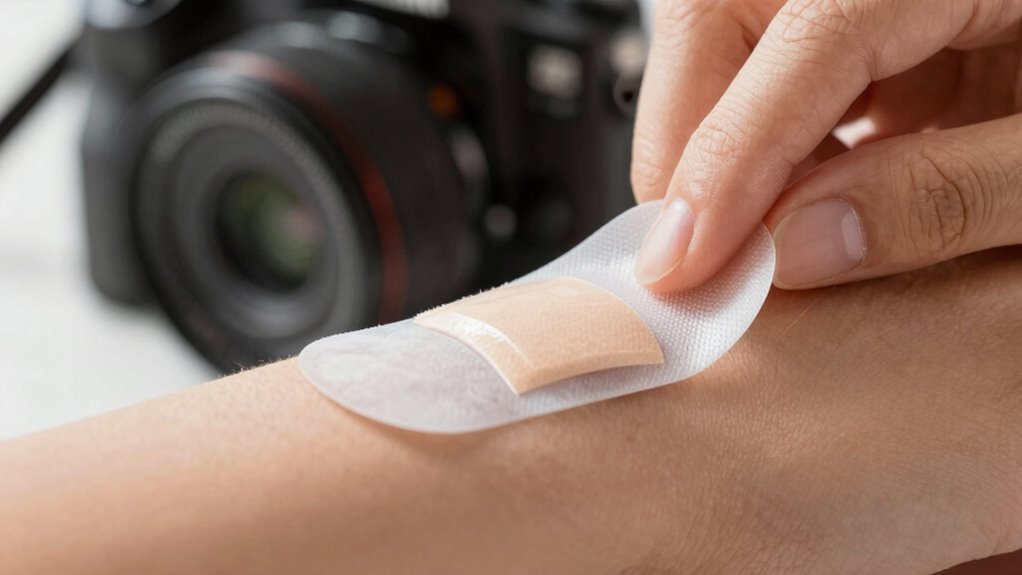
Timing is key to ensuring your patches work effectively, so it’s important to replace them at the right intervals. Monitoring patch durability helps you know when adhesive longevity is declining. Typically, patches should be replaced as recommended—usually every 24 to 72 hours—depending on the product and skin response. To optimize results:
- Check for signs of wear or detachment daily.
- Replace patches before they lose adhesion or become uncomfortable.
- Use a clean, dry area to apply a new patch, ensuring better adhesive longevity and durability.
Frequently Asked Questions
Can Skin Type Affect Patch Adhesion Effectiveness?
Yes, your skin type can affect patch adhesion effectiveness. If you have sensitive skin, certain adhesives might cause irritation or fail to stick properly. Understanding your skin sensitivity helps you choose patches with compatible adhesives, ensuring they adhere securely without discomfort. Test small areas first, and look for patches designed for sensitive skin to improve adhesion and minimize irritation, making your experience more comfortable and effective.
Are There Specific Ingredients That Improve Patch Sticking?
Like a master painter choosing the right brush, you can boost patch adhesion with specific ingredients. Adhesion enhancers such as acrylates or silicone-based compounds improve stickiness, while understanding ingredient interactions guarantees compatibility. These ingredients work by increasing surface contact and flexibility, preventing slips. You’ll find that selecting patches with these components helps them stay secure longer without irritation, giving you a reliable, comfortable experience every time you apply.
How Do Weather Conditions Influence Patch Adhesion?
Weather conditions can greatly influence patch adhesion. High humidity effects, like sweat and moisture, weaken the adhesive, making patches prone to peeling. Temperature challenges also play a role; excessive heat can cause the adhesive to soften and lose grip, while cold temperatures make the patch brittle and less sticky. To guarantee better adhesion, try to apply patches in a controlled environment, avoiding extreme weather conditions that compromise their sticking power.
Can Using Moisturizers or Lotions Under the Patch Help or Hinder Adhesion?
Using moisturizers or lotions under your patch can hinder adhesion if they leave a greasy or damp residue. Moisturizer effects vary, but generally, thick or oily lotions reduce sticking, while lightweight, quick-absorbing ones might be more compatible. To guarantee good adhesion, make sure your skin is clean, dry, and free of lotion before applying the patch. Check lotion compatibility to avoid compromising the patch’s stickiness and effectiveness.
Are There Age-Related Considerations for Patch Adhesion and Removal?
Think of your skin like a delicate garden that matures over time. With age-related skin, patches may not stick as firmly or come off easily during patch removal. You need to be gentle, understanding that older skin can be thinner and more fragile. Adjust your approach by choosing patches designed for sensitive skin, and always remove them carefully. This way, you safeguard your skin’s health and ensure effective patch use at any age.
Conclusion
Now that you know the secrets to making patches stick, imagine your skin as a canvas ready for a smooth, unwavering bond. With proper prep, gentle application, and mindful removal, you’ll keep your patches secure like a trusted handshake. No more worries about slips or irritation—just a seamless experience that sticks with you. Trust these tips, and watch your patches stay put, giving you the comfort and effectiveness you deserve, every time.