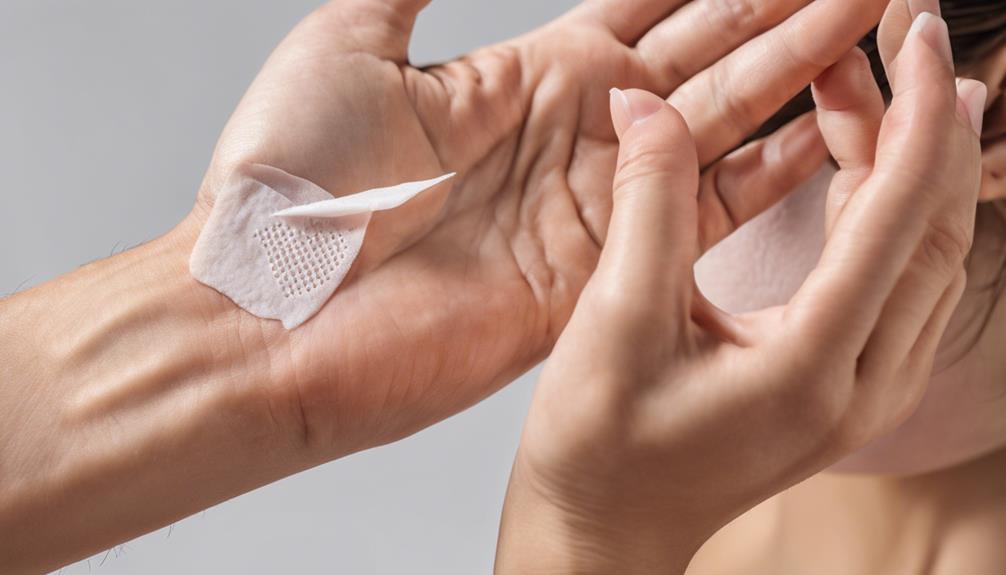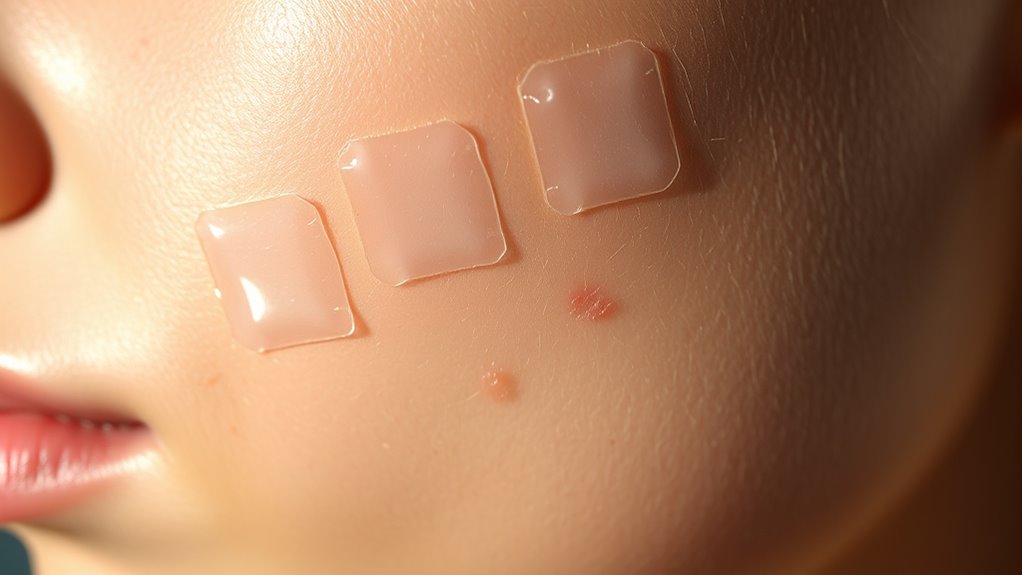

Skincare patches can cause breakouts because their occlusive nature traps dirt, oil, and irritants against your skin. When ingredients clog pores or trigger sensitivities, breakouts become more likely, especially if you have sensitive or acne-prone skin. Heavy or greasy formulations can worsen this effect. To avoid issues, check ingredients carefully and patch test new products. Want to learn how to choose the right patches and prevent breakouts? Keep exploring for useful tips.
Key Takeaways
- Skincare patches create a semi-occlusive barrier that can trap oils, dirt, and bacteria, potentially leading to breakouts.
- Ingredients in patches, especially occlusive or pore-clogging ones, may block pores and cause skin reactions.
- Sensitive or acne-prone skin is more susceptible to breakouts from occlusive patches.
- Repeated use of heavy or incompatible patches can increase inflammation and clog pores over time.
- Proper patch testing and choosing non-comedogenic patches can minimize the risk of breakouts.
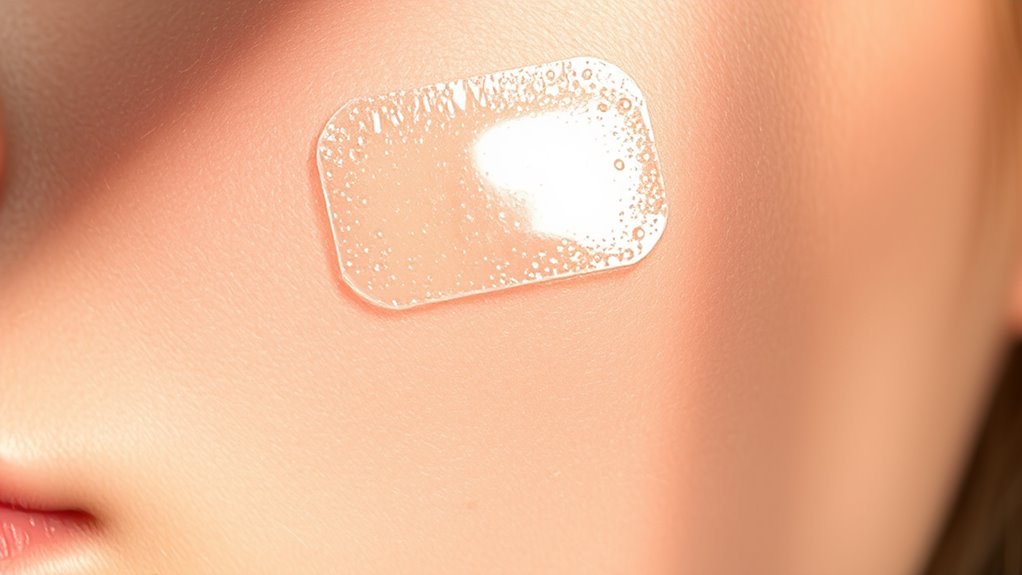
If you’ve recently started using skincare patches and noticed more breakouts, you’re not alone. Many people experience this, and it often comes down to how these patches interact with your skin. One common reason for breakouts is pore clogging, which can happen when ingredients in the patches block your pores or cause reactions that lead to inflammation. Some patches contain occlusive ingredients designed to keep active ingredients close to your skin, but these same ingredients can sometimes trap dirt, oil, and bacteria inside your pores, creating the perfect environment for breakouts. This is especially true if you already have sensitive or acne-prone skin.
Understanding ingredient reactions is key here. Not all skincare ingredients agree with every skin type, and some can cause irritation or allergic responses that worsen breakouts. For example, certain occlusive agents like petrolatum or heavy oils may seem beneficial for barrier repair but can also contribute to pore clogging if your skin doesn’t tolerate them. When these ingredients react negatively with your skin’s natural oils or other products you’re using, they can lead to clogged pores and inflammation. Sometimes, these reactions are immediate, causing redness, bumps, or pustules, while other times, they develop over time with repeated use.
It’s also important to recognize that skincare patches create a semi-occlusive barrier over your skin. This barrier can trap not only beneficial ingredients but also excess oils and impurities. If your skin is already producing excess sebum, the patch’s occlusion can intensify this, leading to breakouts. This doesn’t mean all patches are bad; it simply means you need to pay attention to how your skin responds. If you notice increased breakouts after using a patch, check the ingredient list for pore-clogging substances or potential irritants. Sometimes, switching to a patch with lighter, non-comedogenic ingredients can help.
Moreover, the process of occlusion itself can alter how your skin interacts with certain ingredients, sometimes increasing their potency or causing unexpected reactions. This can lead to irritation or breakouts, especially if your skin is sensitive or if you’re using other topical treatments simultaneously. To minimize these issues, always patch test new patches, avoid overly heavy or greasy formulations, and give your skin time to adjust. Additionally, understanding preppy dog names can be a fun way to name your pet after your favorite skincare products or ingredients, adding a playful touch to your routine. If you continue to experience breakouts, consider consulting a dermatologist who can help you identify specific ingredient reactions or recommend alternative products that won’t clog your pores. Ultimately, understanding the balance between effective ingredients and your skin’s tolerance is essential for safe and successful use of skincare patches.
Frequently Asked Questions
Can Skincare Patches Be Used on Sensitive Skin?
Yes, you can use skincare patches on sensitive skin, but choose the right patch material and check for ingredient sensitivity first. Look for patches made from gentle, hypoallergenic materials like hydrocolloid or silicone. Always patch test on a small area before full use, especially if you’re prone to irritation. If you experience redness or discomfort, remove the patch immediately and consult a dermatologist.
How Long Should I Leave a Patch On?
Most patches are designed to stay on for 8-12 hours, but always check the specific product instructions. You should remove the patch after this recommended patch wear duration to prevent irritation or potential breakouts. Leaving it on longer doesn’t necessarily improve results and can cause occlusion, which might lead to breakouts. So, set a reminder for patch removal timing, ensuring effective treatment without risking skin issues.
Do All Skincare Patches Cause Blackheads or Whiteheads?
Not all skincare patches cause blackheads or whiteheads, but pore clogging and ingredient sensitivity can lead to breakouts. If the patch contains pore-clogging ingredients like heavy oils or silicones, you might notice whiteheads or blackheads forming. Sensitivity to certain ingredients can also cause irritation and breakouts. Always check the ingredients and do a patch test first to see how your skin reacts before using a new patch regularly.
Are There Ingredients in Patches That Prevent Breakouts?
Imagine a skincare patch so powerful, it can prevent breakouts before they even start! Yes, some patches contain ingredient blockers like salicylic acid or niacinamide that target acne-causing factors, while formulation differences guarantee active ingredients stay in contact longer. These special ingredients and design tweaks work together to minimize the risk of breakouts, making your skin clearer and healthier with consistent use.
How Often Should I Switch Skincare Patches?
You should switch your skincare patches according to the patch replacement schedule and patch longevity guidelines, usually every 24 to 48 hours. Keep an eye on how your skin reacts; if irritation or breakouts occur, consider changing them sooner. Always follow the instructions on the packaging for maximum results and to prevent occlusion issues. Regularly updating your patches helps avoid buildup of bacteria and ensures effective treatment.
Conclusion
Remember, skincare patches are like gentle umbrellas for your skin—they can protect but sometimes trap moisture or bacteria, leading to breakouts. If you notice increased pimples, it’s worth checking if the patch is causing occlusion. Every skin type reacts differently, so stay attentive to how your skin responds. By understanding your skin’s needs, you can navigate the patch world wisely—like a cautious sailor steering clear of hidden rocks in calm waters.