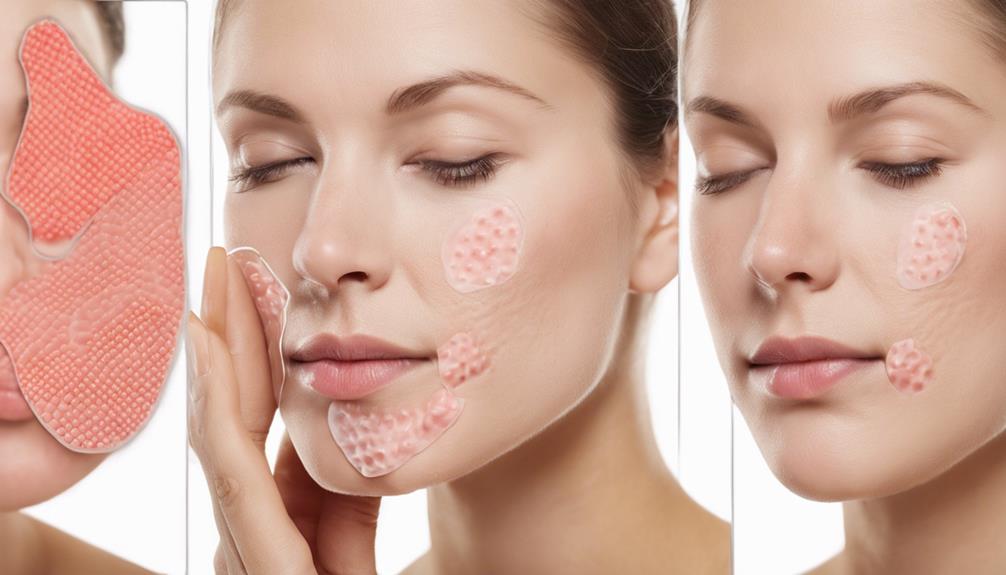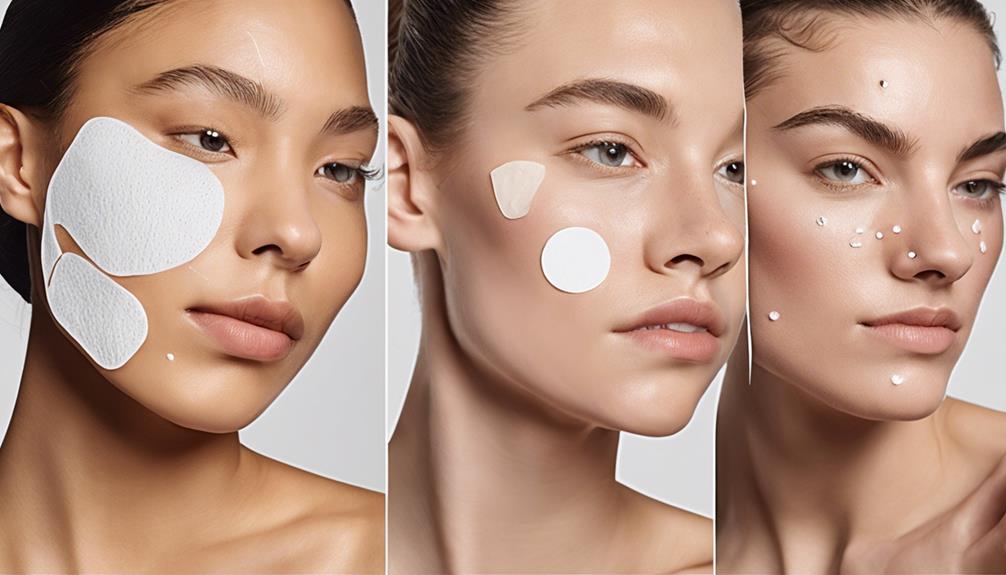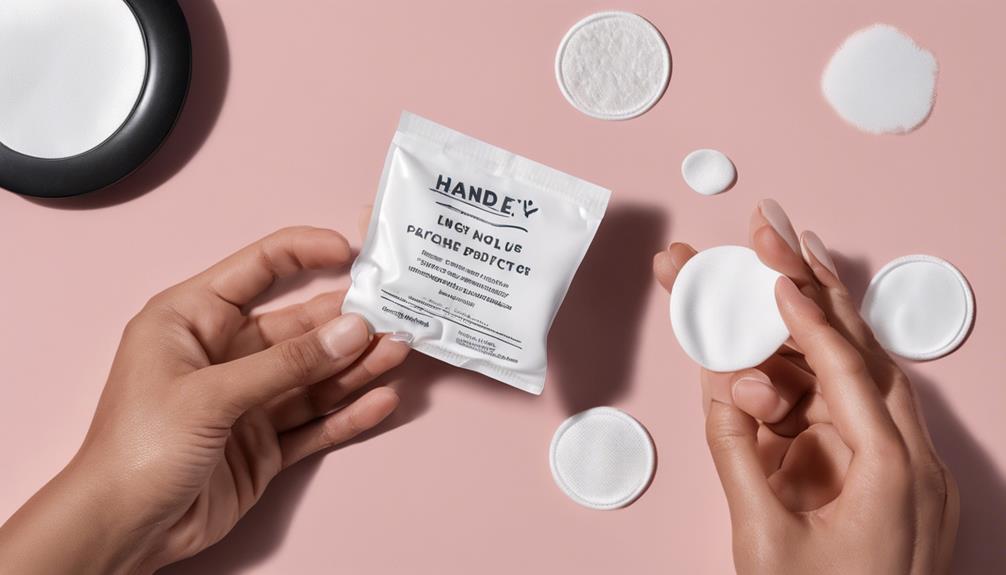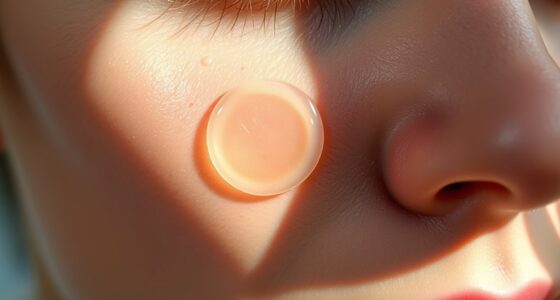
To guarantee your pimple patches stick properly, start with clean, dry skin by gently cleansing and patting completely dry, removing oils, dirt, and makeup. Avoid applying patches over lotions or creams, which create barriers. Press the patch firmly from the center outward, sealing the edges. Using the right prep products based on your skin type helps too. Mastering these steps can make a huge difference—continue to learn the skin prep secrets that truly change everything.
Key Takeaways
- Thoroughly cleanse and dry skin to remove oils, dirt, and residual products before applying the patch.
- Use gentle, alcohol-free, and fragrance-free skin prep products suited to your skin type to enhance adhesion.
- Minimize touching or applying lotions after cleansing to prevent barrier formation that can cause lifting.
- Press firmly from the center outward and seal edges to improve patch contact and prevent air pockets.
- Address oily or sweaty skin with a quick cleanse prior to patch application for better sticking and effectiveness.

Neutrogena Flawless Fix Sensitive Skin Acne Patch Duo Set, Hydrocolloid Pimple Patches to Protect and Shrink Pimples Overnight, Includes 30 Count Variety Pack & 36 Mini Patches, 66 Count
66-count Neutrogena Flawless Fix Sensitive Skin Acne Patch Duo with 30-count variety pack and 36-count mini patches, made…
As an affiliate, we earn on qualifying purchases.
As an affiliate, we earn on qualifying purchases.
Why Skin Preparation Is Key to Better Pimple Patch Adhesion
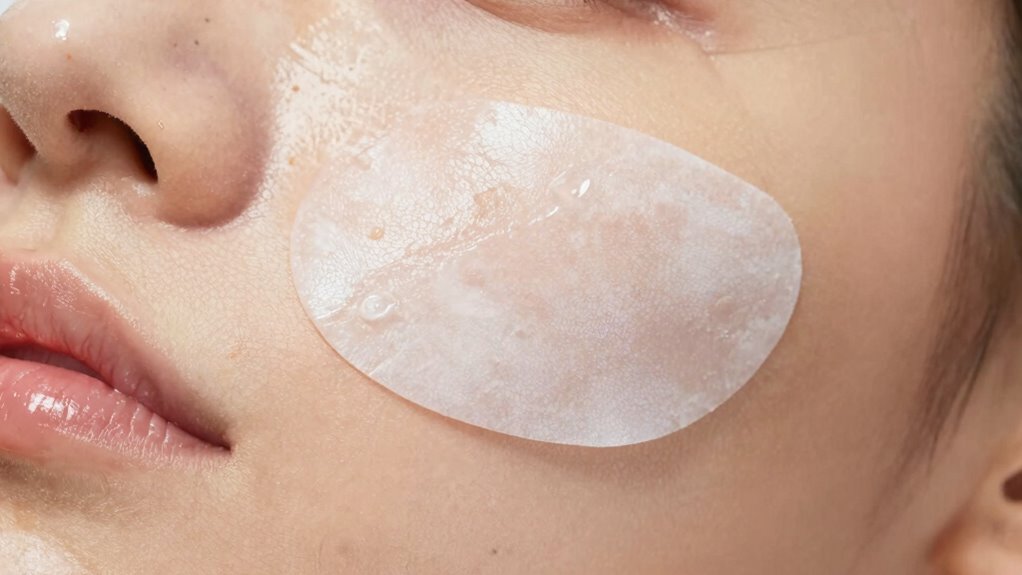
Proper skin preparation is essential for ensuring your pimple patch sticks effectively. When you start with clean, dry skin, you enhance ingredient compatibility, allowing the patch to adhere firmly. Removing excess oils and dirt prevents slipping and ensures the patch remains in place. Applying the patch correctly involves proper application techniques, like gently pressing it down from the center outward, to maximize contact. This not only improves adhesion but also helps the patch interact better with your skin’s surface. Additionally, skin pH balance can influence how well the patch adheres and how the skin responds to treatment. Maintaining optimal skin pH levels can help improve adhesion and overall skin health. Avoid applying patches over lotions, creams, or serums, as these can create a barrier that weakens adhesion. By preparing your skin properly, you give your pimple patch the best chance to stay put, work effectively, and deliver visible results. Furthermore, understanding how skin preparation impacts adhesion can help you optimize your skincare routine and achieve better healing outcomes. Ensuring your skin is free of residues like lotions or serums, which can contain chemical barriers, is also crucial for effective adhesion.
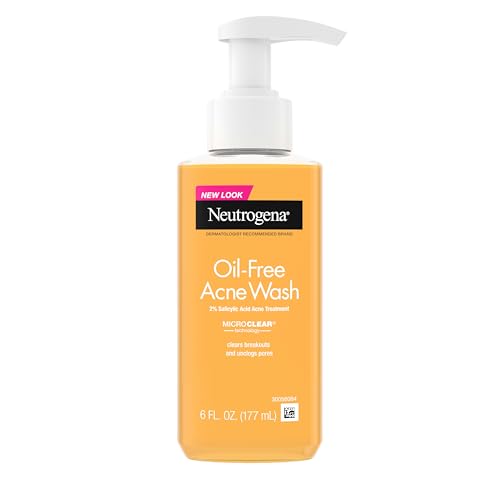
Neutrogena Oil-Free Acne Face Wash, Breakout Prone Skin Facial Cleanser with 2% Salicylic Acid Acne Treatment for Face, 6 fl. oz
One, 6 fl oz bottle of Neutrogena Oil-Free Acne Wash facial cleanser, a must-have for a regular acne-prone…
As an affiliate, we earn on qualifying purchases.
As an affiliate, we earn on qualifying purchases.
How to Prepare Your Skin Step-by-Step for Pimple Patches
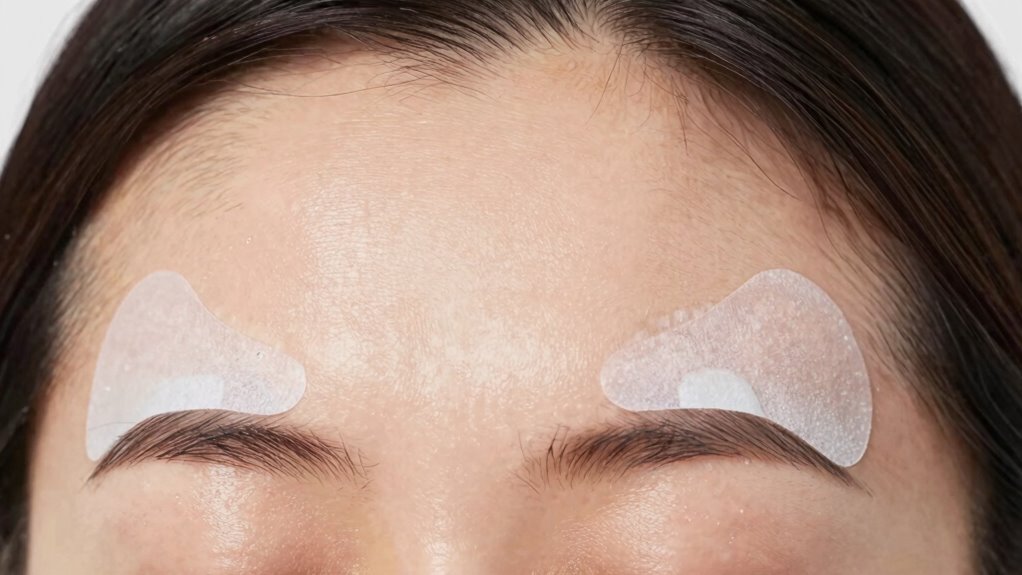
Before applying a pimple patch, you should start by thoroughly cleansing your skin to remove dirt, oil, and any residual makeup. Proper skin cleansing guarantees your skin is clean, allowing the patch to adhere effectively. Next, gently pat your skin dry. For ideal patch application, avoid touching your face afterward to prevent transferring oils or dirt. Here’s a quick guide:
| Step | Action |
|---|---|
| Cleanse | Use a gentle cleanser to remove impurities |
| Dry | Pat skin dry with a clean towel |
| Final Check | Ensure skin feels smooth and dry |
This preparation helps maximize adhesion, reducing the risk of patch lifting and enhancing its effectiveness. Proper patch application starts with clean, dry skin—simple yet vital. Additionally, understanding art care principles can help maintain healthy skin and prevent breakouts. When considering skincare devices, selecting the right tools and using them correctly can further support your skin health. Paying attention to skin prep techniques can also make a significant difference in the overall effectiveness of your skincare routine. Moreover, incorporating pre-application steps such as using targeted toners or serums can optimize patch adhesion and skin response. Using product formulations designed for sensitive skin can also minimize irritation and improve overall results.

Smith & Nephew Skin-Prep® Protective Barrier Wipes
SAFE: It is safe for long-term use, especially on sensitive skin areas
As an affiliate, we earn on qualifying purchases.
As an affiliate, we earn on qualifying purchases.
How to Choose the Best Skin Prep Products for Your Skin Type
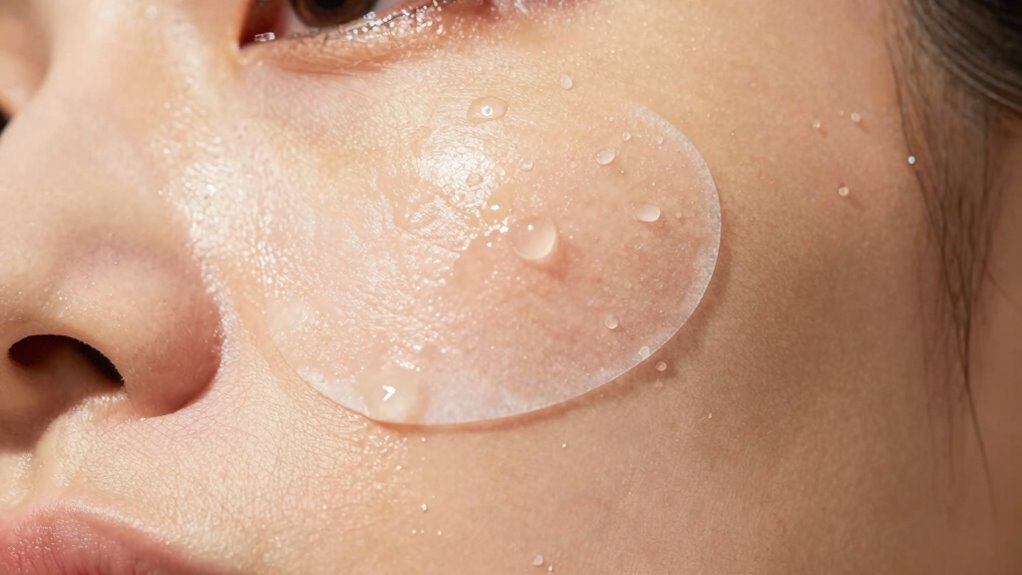
Choosing the right skin prep products depends on understanding your skin type. If you have sensitive skin, look for gentle, fragrance-free formulations that soothe without irritation. Avoid harsh chemicals or alcohol-based products, as they can worsen sensitivity and reduce patch adhesion. For oily skin, select mattifying or oil-free prep products that control excess sebum and reduce shine. These help create a clean, dry surface, which improves the patch’s stickiness. Always opt for products tailored to your skin’s needs to ensure excellent adhesion and minimize irritation. Testing a small area first can prevent reactions and confirm compatibility. Properly choosing your skin prep based on your skin type makes a significant difference in how well your pimple patches stay in place and work effectively.

Sterile Needles for Pimples,50pcs Disposable Blackhead and Blemish Remover Tools and 72 Dots Pimple Stickers, for Acne, Whitehead, Comedone
【What You Get】50 pcs disposable acne needles, 72 acne patches, and 1 blackhead tool—a complete skincare combo tailored…
As an affiliate, we earn on qualifying purchases.
As an affiliate, we earn on qualifying purchases.
Common Mistakes That Keep Pimple Patches From Sticking
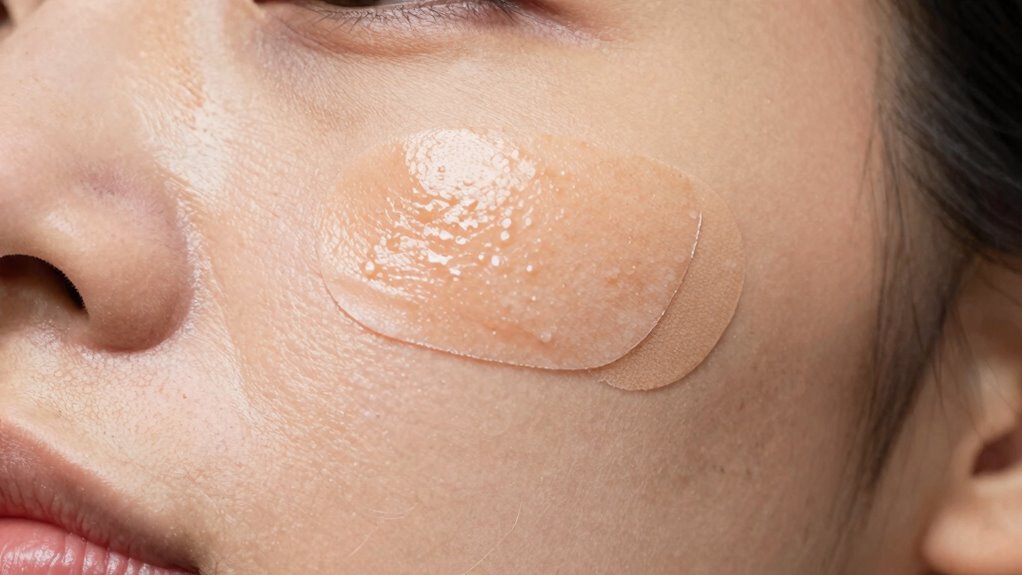
One common mistake that prevents pimple patches from sticking is applying them to skin that isn’t fully clean and dry. Many people believe pimple patch myths that suggest they work regardless of skin prep, but adhesive failure often occurs if oils, dirt, or moisturizer remain. This residue creates a barrier, making it harder for the patch to adhere properly. If you don’t prep your skin correctly, the patch can lift or fall off prematurely. It’s tempting to skip steps, but thorough cleansing and drying are essential for ideal adhesion. Remember, the success of your pimple patch depends heavily on proper skin prep, not misconceptions. Additionally, understanding the importance of skin preparation techniques can help optimize the adhesion process. Proper surface cleanliness ensures your patch can grip securely and do its job effectively, especially since modern adhesives are designed to work best on clean, dry skin. Incorporating proper skin cleansing routines can further improve adhesion and results.
How to Fix Patches That Won’t Stay in Place

If your pimple patches won’t stay in place, start by checking how well they’re applied. Proper application is key to effective adhesion troubleshooting. First, ensure your skin is thoroughly clean and dry before placing the patch. Next, press firmly around the edges to seal it properly, avoiding any air bubbles. If adhesion issues persist, try adjusting your pimple patch techniques by lightly warming the patch before application or using a small amount of toner as a skin primer. Additionally, consider skin texture; oily or sweaty skin can prevent patches from sticking. For best results, apply patches after a gentle cleanse and avoid touching them afterward. Proper skin prep and these simple steps will improve adhesion and make your patches stay in place longer. Ensuring your skin is free from oils and sweat can significantly enhance adhesion quality and longevity of the patches.
Frequently Asked Questions
Can Skin Prep Products Cause Allergic Reactions or Irritation?
Skin prep products can cause allergic reactions or skin irritation, especially if you’re sensitive to certain ingredients. You might notice redness, itching, or swelling after using them. To avoid this, always check the ingredients list and do a patch test before applying broadly. If you experience any discomfort, stop using the product and consult a dermatologist. Being cautious helps prevent allergic reactions and keeps your skin healthy.
How Long Should I Wait After Skin Prep Before Applying a Patch?
You should wait about 30 seconds to a minute after applying your skin prep before placing the patch. This guarantees proper timing consistency, allowing the product to absorb and minimize irritation. Use gentle application techniques to avoid disturbing the prep. Rushing the process can affect adhesion, so give it a moment to settle for the best results. Taking your time helps your patch stick better and works more effectively.
Are There Specific Ingredients to Avoid in Skin Prep for Sensitive Skin?
Sure, avoid ingredients like alcohol, fragrance, and harsh exfoliants—they’re just asking for ingredient sensitivities to kick in. Instead, stick to gentle prep techniques like using a mild, hydrating cleanser and patting your skin dry. Ironically, what’s meant to prepare your skin can sometimes do more harm than good if you ignore these tips. So, be mindful, and your skin will thank you with better patch adhesion and fewer sensitivities.
Does Skin Type Affect How Well Patches Adhere Long-Term?
Your skin type definitely affects how well patches adhere long-term. If you have oily skin, patches might not stick as effectively due to excess oil, while dry or sensitive skin could cause patches to lift or peel prematurely. To improve patch adhesion, prep your skin properly, keeping it clean and moisturized without overdoing it. Choosing the right patch for your skin type also helps make certain the better, longer-lasting adhesion.
Can Improper Skin Prep Damage or Weaken the Skin Barrier?
Improper skin prep can weaken your skin barrier, especially if you have sensitive skin. When you skip cleansing or use harsh products, you risk damaging barrier integrity, making your skin more vulnerable to irritation and breakouts. This damage can take time to repair, so always gentle cleanse and prep your skin properly before applying patches. Maintaining barrier health keeps your skin resilient and ensures the patches stick effectively without causing harm.
Conclusion
When your pimple patches finally stick, it feels like a small victory—like discovering that perfect skin prep trick by accident. Remember, a little prep goes a long way, and even the tiniest mistake can make your patches fall off. So, take that extra minute to prepare your skin properly. Who knows? Maybe that perfect adhesion is just one simple step away, waiting for you to uncover it.