
Many heat damage myths persist, making you fear infrared radiation or heat sources unnecessarily. Infrared isn’t a direct burn cause; tissue damage depends on temperature and exposure time. Your skin gradually reacts, and brief contact isn’t harmful, even near hot objects. Cold therapy isn’t always better, and moderation is key. To protect yourself and understand how heat really affects your body, uncover what you might still believe and learn more about safe heat management.
Key Takeaways
- Infrared radiation heats tissue but does not directly cause burns; injury depends on temperature and exposure duration.
- Heat damage develops gradually; brief contact or lower temperatures are less likely to cause tissue injury.
- Cold therapy doesn’t always prevent heat damage; overcooling can impair healing and worsen injuries.
- Moderate use of infrared devices is safe; excessive or prolonged exposure increases the risk of harm.
- Many heat damage fears are myths; understanding thermal thresholds helps avoid unnecessary worries and promotes safe heat use.
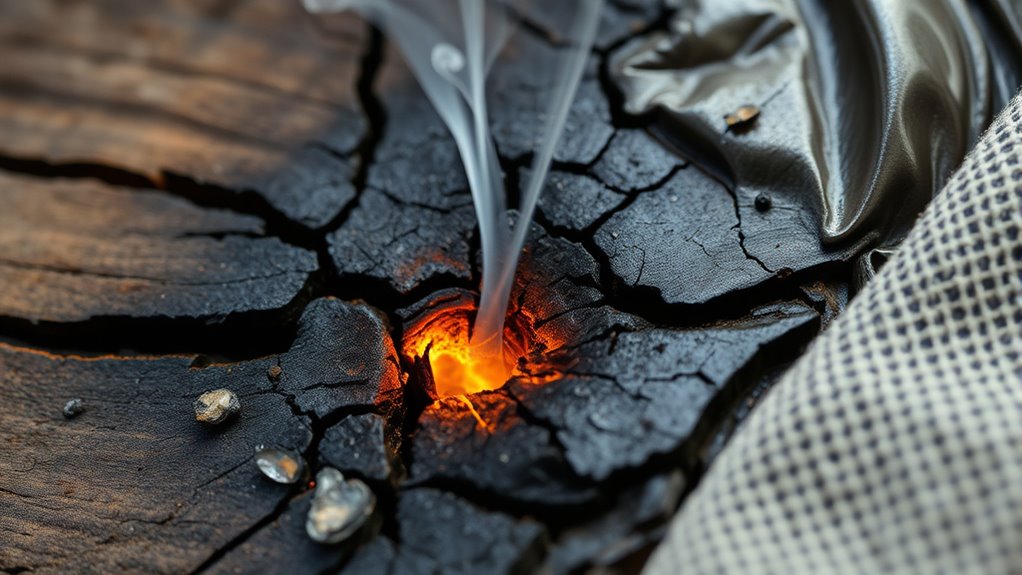
Many common beliefs about heat damage are actually myths that can lead you to unnecessary worries or poor decisions. One of the most pervasive misconceptions involves the infrared effects and the role they play in heat damage. People often assume that infrared radiation alone can cause severe burns or permanent harm just by being near a heat source, but that’s not entirely true. Infrared effects are simply a form of heat transfer, and your skin’s response depends on the intensity and duration of exposure, not just the presence of infrared radiation. For instance, standing close to a warm fire might feel hot, but if you’re not within the thermal threshold where tissue damage occurs, you won’t get burned. Understanding these thermal thresholds is key. Thermal thresholds refer to the specific temperature levels and exposure durations at which tissue damage begins to occur. They vary depending on the heat source, the part of your body exposed, and how long you’re exposed. Knowing that the skin can tolerate certain temperatures for short periods without damage helps you avoid unnecessary panic. It’s a myth that any heat exposure is instantly dangerous; in reality, your body can handle moderate heat if the exposure is brief.
Another widespread myth is that heat damage happens instantly once a certain temperature is reached. That’s not accurate. The process of heat injury is gradual, and your skin’s ability to dissipate heat plays a significant role. For example, a quick touch of a hot pan may cause a burn, but holding your hand there for a few seconds can cause more damage, not because the temperature suddenly becomes harmful, but because of sustained exposure. This is why understanding the thermal thresholds—specific temperature and time combinations—helps you gauge when damage might occur. It’s also important to recognize that many believe applying ice or cold packs always prevents heat damage, but overcooling can sometimes worsen tissue injury or delay healing. The goal isn’t to eliminate all heat but to manage exposure within safe limits.
Furthermore, many assume that heating methods like infrared saunas or heat lamps are inherently dangerous. While excessive or prolonged exposure can cause harm, moderate use within recommended thermal thresholds is generally safe and can even be beneficial. The key is moderation and awareness of your body’s signals. If you understand how infrared effects work and respect thermal thresholds, you can enjoy heat therapies without falling prey to unnecessary fears. Overall, debunking these myths helps you make smarter choices, ensuring you protect yourself without overreacting to misconceptions about heat damage.
Amazon Product B09JBCSC7H
As an affiliate, we earn on qualifying purchases.
Frequently Asked Questions
Can Heat Damage Be Reversed Once It Occurs?
When heat damage occurs, it’s often tempting to think it’s irreversible, but thermal repair methods can sometimes help. You might be able to achieve heat recovery by addressing the damage early and using appropriate treatments. However, deep or severe heat damage can be permanent. It’s best to act quickly, as timely thermal repair increases the chances of reversing some effects and restoring your material or system effectively.
Does Temperature Alone Cause Permanent Harm to Electronics?
Temperature alone can cause permanent harm to electronics through processes like thermal expansion, which damages components over time, and heat conduction that leads to overheating. When electronics are exposed to excessive heat, these effects can weaken solder joints and circuit pathways, resulting in lasting damage. You should always manage heat properly, using cooling solutions, to prevent such harm and prolong your device’s lifespan.
Are All Heat-Related Damages Visible Immediately?
While some heat-related damages aren’t immediately obvious, not all are hidden beneath the surface. You might notice signs of thermal expansion causing cracks or warping, or issues from poor heat conduction leading to overheating. However, subtle damage can occur without visible signs, gradually weakening components over time. So, don’t rely solely on visible cues—regular checks and temperature management help prevent long-term harm from heat stress.
How Does Humidity Influence Heat Damage Risks?
You might wonder how humidity influences heat damage risks. Higher humidity effects make it harder for your body to cool down through sweating, increasing the risk of heat-related issues. Moisture intrusion in materials can also accelerate damage, especially in electronics and fabrics. When humidity is high, heat damage can occur more quickly and subtly, so it’s essential to manage moisture and stay protected against both environmental and material-related risks.
Is Heat Damage More Common in Certain Materials or Products?
Imagine reaching for your favorite device only to find it’s malfunctioned—heat damage often hits certain materials or products more than others. Your material susceptibility varies; plastics and batteries, for example, are particularly vulnerable to heat. Product vulnerabilities depend on design and composition. You should be aware that knowing which materials are more prone to heat damage helps you protect your belongings better, preventing costly repairs or replacements.
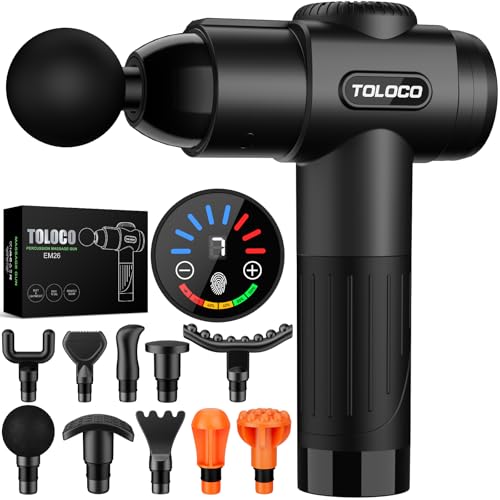
TOLOCO Massage Gun, Deep Tissue Back Massage for Athletes for Pain Relief, Percussion Massager with 10 Massages Heads & Silent Brushless Motor, Valentines Day Gifts for Him Her, Black
Quick Pain Relief: The TOLOCO deep tissue massage gun has a high penetration force of 12mm, up to...
As an affiliate, we earn on qualifying purchases.
Conclusion
Don’t let these myths tarnish your understanding of heat damage. Think of the truth as a clear window—once you see through the fog of misconceptions, you’ll protect your hair better and avoid unnecessary fears. Remember, knowledge is your best weapon against myths. So, next time you hear a story about heat damage, question it like a detective. Clear the smoke, and keep your hair healthy, shiny, and strong—free from false fears.

CAREKING 3-in-1 Detachable Massage Gun Deep Tissue, Ergonomic Extension Handle Back Massager for Pain Relief, Portable Percussion Muscle Massager for Shoulder, Thigh, Waist & Neck, FSA-HSA Eligible
✅ 3-in-1 Detachable & Ergonomic Extension Handle: This deep tissue massage gun comes with a 3-in-1 ergonomic extendable...
As an affiliate, we earn on qualifying purchases.

HITTI 10X Magnifier Esthetician Light, 2200 Lumens, Stepless Dimmable, 4 Wheel Rolling Base, LED Lighted Mag Lamp for Lash & Salon SPA, Tattoo, Crafts, Reading- White
PROFESSIONAL 10X MAGNIFICATION - hands-free magnifier Crystal-clear optical glass lens with protective dust cover provides distortion-free, true-color magnification....
As an affiliate, we earn on qualifying purchases.