
To protect your delicate eye area, use gentle, specially formulated makeup removers like micellar water or oil-based solutions, and avoid harsh soaps or alcohol-based products. Always apply with soft cotton pads or gentle fingertips, pressing lightly rather than rubbing. Be cautious around your lash line and waterline, gently dabbing instead of dragging. Keep your eyes closed during removal and rinse if any product enters your eyes. To learn more, continue exploring tips for safe and effective makeup removal.
Key Takeaways
- Use gentle, formulated eye makeup removers to dissolve makeup without harsh rubbing.
- Apply removers with soft cotton pads or fingertips using light, dabbing motions.
- Avoid tugging or pulling on lashes and skin around the eyes during removal.
- Keep eyes closed during removal and rinse immediately if product gets into the eye.
- Prioritize patience and gentle techniques to maintain skin elasticity and prevent damage.
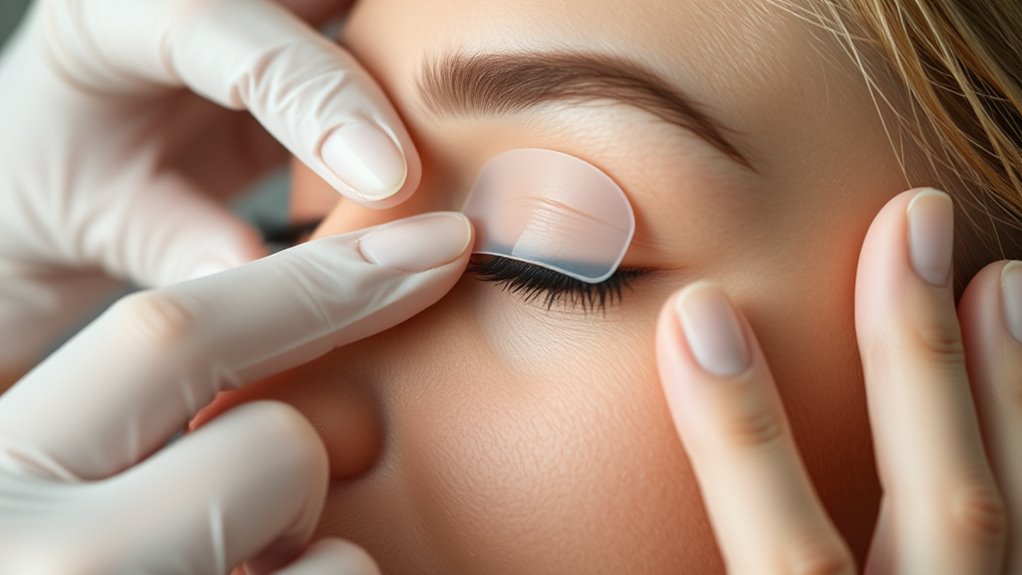
The delicate skin around your eyes requires careful handling during makeup removal to prevent damage and premature aging. This area is thinner and more sensitive than the rest of your face, making it particularly vulnerable to harsh tugging, pulling, or harsh chemicals. When you approach makeup removal, prioritizing eye safety is essential. Using improper techniques or products can lead to irritation, dryness, and even long-term damage that accelerates aging. By paying close attention to how you remove your makeup, you can preserve the health and youthful appearance of your eye area.
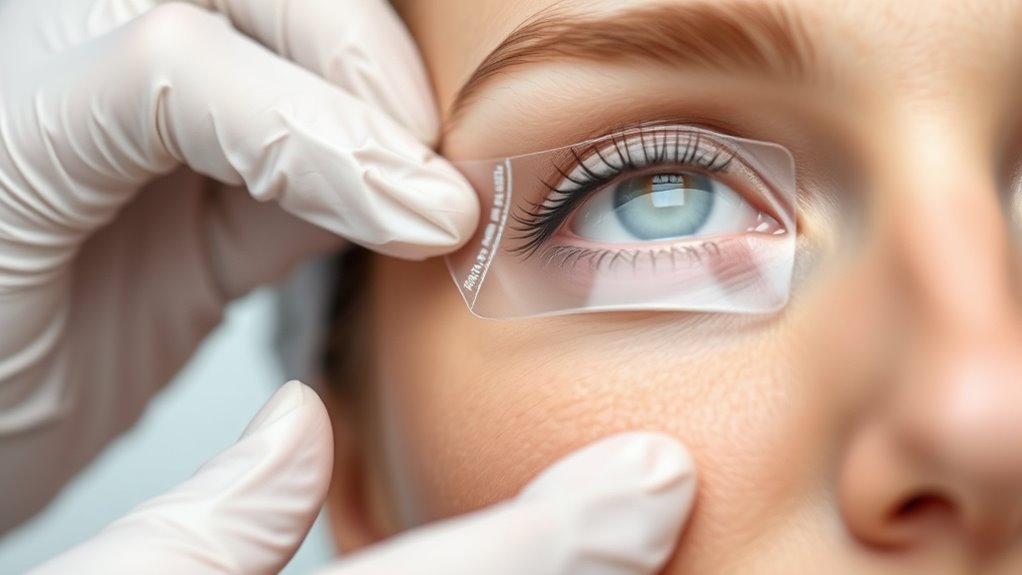
Start by choosing gentle, effective makeup removers specifically formulated for the eye area. Oil-based removers or micellar water are excellent options because they dissolve makeup efficiently without requiring vigorous rubbing. Avoid using harsh soaps, alcohol-based products, or anything with strong fragrances, as these can irritate the skin and compromise its elasticity. When applying makeup remover, use soft, cotton pads or gentle fingertips. Never scrub or apply excessive pressure, as this can stretch or tear the fragile skin around your eyes. Instead, gently press the pad or your finger against your eyelid and hold it for a few seconds to loosen stubborn makeup before softly wiping away.
Choose gentle, oil-based removers or micellar water to safely dissolve makeup without harsh rubbing.
It’s vital to be cautious around the lash line and waterline. Makeup near these areas tends to be more stubborn, but aggressive rubbing can cause irritation or even damage the delicate eyelashes and eyelid skin. Use a light, dabbing motion rather than dragging the remover across the skin. When cleaning your eyelashes, hold the cotton pad over your closed eyelid and gently press, allowing the product to do the work. Avoid pulling or tugging on your lashes, which can lead to lash loss and weaken the skin’s structure over time. Additionally, understanding the importance of skin elasticity can help you adopt more gentle techniques that maintain your skin’s firmness and resilience.
Eye safety during makeup removal also involves being mindful of your eye itself. Keep your eyes closed during the process to prevent any remover from entering the eye, which can cause irritation or discomfort. If you accidentally get product in your eye, rinse immediately with plenty of water. Never use sharp objects or rough cloths to remove makeup, as these can cause scratches or injuries. If you wear waterproof makeup, opt for removers specifically designed to break down long-lasting formulas, but always guarantee they are gentle and safe for the eye area.
Ultimately, safe makeup removal around your eyes is about patience and gentle care. By selecting suitable products, using soft techniques, and respecting the skin’s fragility, you protect your eye safety and maintain a youthful, refreshed appearance. Remember, the more tender you are during removal, the healthier your eyes and skin will stay in the long run.
Frequently Asked Questions
Can I Use Household Products for Eye Makeup Removal?
You shouldn’t use household products for eye makeup removal because they can irritate your eyes and harm your eye health. Makeup residue can be stubborn, but using products specifically designed for the delicate eye area guarantees safe removal without causing irritation. Household items like soap or cleaning products aren’t gentle enough and may lead to redness or damage. Always opt for a gentle, eye-safe makeup remover to keep your eyes healthy.
How Often Should I Replace Eye Makeup Remover?
You should replace your eye makeup remover every 3 to 6 months to maintain makeup longevity and eye hydration. Over time, it can harbor bacteria that risk irritation or infection, especially around the delicate eye area. Fresh remover guarantees effective cleaning without compromising your eye health. Regularly updating your product helps keep your skin hydrated and prevents potential reactions caused by expired formulas.
Are There Natural Alternatives to Chemical Removers?
Imagine a gentle breeze caressing your skin—natural alternatives do just that. You can use natural ingredients like coconut oil, almond oil, or chamomile tea for a chemical-free, soothing eye makeup remover. These gentle techniques harness nature’s power, protecting your delicate eye area while effectively removing makeup. Embrace the simplicity of natural remedies, and your skin will thank you with a soft, radiant glow.
What Should I Do if Remover Causes Irritation?
If your remover causes irritation, stop using it immediately. Gently rinse your eyes with cool water to soothe the area. Use gentle techniques like tapping instead of rubbing, and avoid harsh chemicals. Consider allergy precautions, as you might be sensitive to certain ingredients. Applying a cold compress can help reduce inflammation. If irritation persists, consult a healthcare professional to guarantee proper care and avoid further harm to your delicate eye area.
Is It Safe to Rub the Eye During Removal?
You shouldn’t rub your eye during removal, even if it feels tempting. Instead, use a gentle technique that minimizes eye pressure to avoid irritation or injury. Rubbing can cause damage to the delicate skin and eye tissue, so keep your movements light and controlled. If you experience discomfort, stop immediately and consult a professional. Protecting your eye’s health is worth taking the extra moment to be careful.
Conclusion
So, next time you’re tempted to rip that stubborn eye makeup off like a superhero in a rush, remember—your delicate eye area isn’t a wrestling ring. Treat it with care, use gentle removers, and avoid the temptation of brute force. After all, if you wouldn’t wrestle a kitten, don’t wrestle your skin. Protect those fragile tissues, and your eyes will thank you with a sparkle brighter than your reckless removal skills.