
To prevent skin irritation from mask-wearing, practice good hygiene by regularly cleaning your masks and avoiding touching your face. Make certain your mask fits comfortably without friction, and take short breaks when possible to let your skin breathe. Support your skin barrier with gentle cleansers and moisturizers containing ceramides or hyaluronic acid. Staying mindful of environmental factors and monitoring your skin’s condition helps, so keep exploring for more tips to protect your skin.
Key Takeaways
- Regularly clean reusable masks and discard disposables after each use to prevent dirt and bacteria buildup.
- Choose breathable, well-fitting masks made from cotton to reduce friction and skin pressure.
- Use gentle cleansers and moisturizers with ingredients like ceramides or hyaluronic acid to support the skin barrier.
- Take short mask breaks in safe environments to allow skin to breathe and reduce irritation.
- Monitor skin for irritation signs and consult a dermatologist if issues persist or worsen.

Wearing masks has become a routine part of daily life, especially during health crises, but many people notice skin issues as a result. If you’re experiencing irritation, redness, or breakouts, one of the first things to contemplate is your mask hygiene. Properly cleaning and changing your mask helps prevent the buildup of dirt, oil, and bacteria that can clog pores or cause inflammation. Reusable masks should be washed regularly with gentle, fragrance-free detergent, and disposable masks should be discarded after each use. Avoid touching the mask unnecessarily, as oils and germs from your hands can transfer to your skin, increasing irritation risk. Keeping your mask clean reduces the chance of developing skin problems and supports overall skin health.
Maintaining mask hygiene prevents skin irritation and promotes healthier skin.
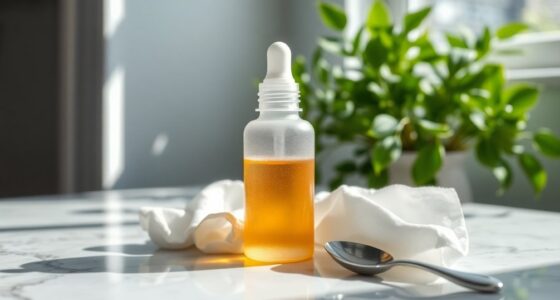
Another essential aspect is maintaining your skin barrier. The skin barrier acts as a protective shield, locking in moisture and keeping irritants out. When this barrier is compromised, you become more prone to irritation, dryness, and breakouts. To support your skin barrier, use gentle cleansers that don’t strip away natural oils, and apply a moisturizer suited for your skin type before and after wearing a mask. Ingredients like ceramides, niacinamide, and hyaluronic acid help strengthen the barrier and keep your skin hydrated. Avoid harsh scrubbing or using alcohol-based products, as these can weaken your skin’s defenses and lead to more irritation when wearing a mask.
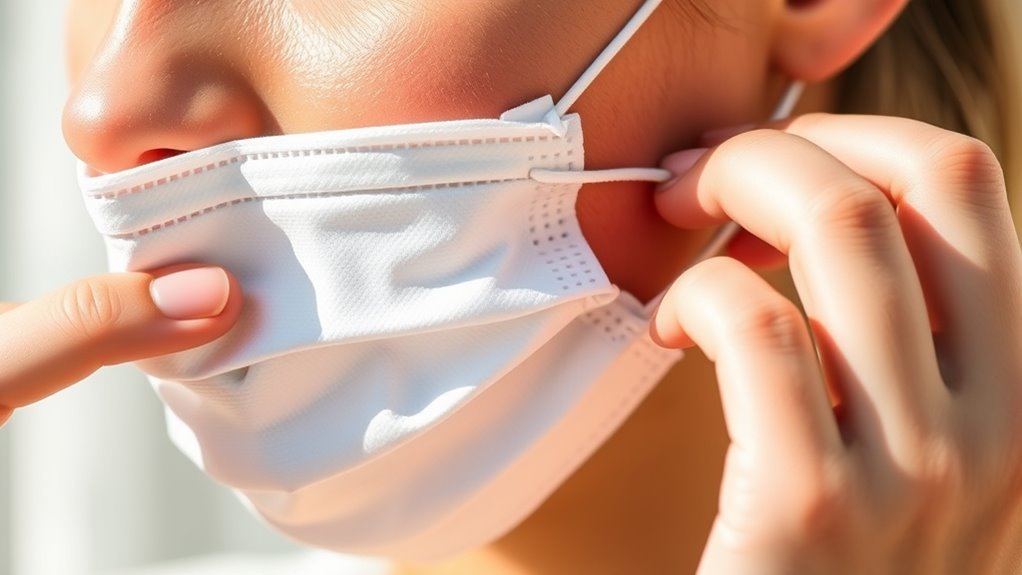
It’s also important to give your skin breaks from mask wear when possible. If you’re in a safe environment where mask mandates are relaxed, take short periods to go without your mask and let your skin breathe. During these times, rinse your face with lukewarm water and gently pat dry. This helps reduce excess sweat and oil buildup, which can worsen irritation under the mask. When you need to wear your mask for extended periods, try to choose masks made from breathable fabrics like cotton, and ensure they fit well but aren’t too tight. Tight masks can create friction and pressure, damaging your skin barrier and leading to pressure marks or irritation.
Finally, pay attention to your skin’s signals. If you notice persistent irritation or discomfort, consider consulting a dermatologist. They can recommend specific skincare routines or treatments to restore your skin barrier and improve mask hygiene practices. Regularly monitoring your skin and understanding air quality can also help you identify environmental factors that may contribute to skin issues. By staying mindful of these factors, you can help prevent irritation and keep your skin healthy despite the daily mask-wearing routine.
Frequently Asked Questions
Can Mask-Wearing Cause Permanent Skin Damage?
Mask-wearing can cause permanent skin damage if you develop severe mask-induced dermatitis or skin barrier damage. While most irritation is temporary, prolonged friction and moisture can weaken your skin, leading to lasting issues. To prevent this, you should guarantee proper mask fit, practice good skin hygiene, and use a gentle moisturizer. If irritation persists or worsens, consult a dermatologist to avoid permanent damage.
Are There Specific Fabrics Best for Sensitive Skin?
You should choose fabrics that are gentle and hypoallergenic for sensitive skin. Look for breathable options like cotton or silk, which help reduce irritation and breathability concerns. Before settling on a fabric, consider fabric allergy testing to guarantee you won’t react negatively. This simple step can make all the difference, preventing discomfort and keeping your skin healthy while you wear masks regularly. Don’t overlook the power of the right fabric—your skin will thank you.
How Often Should I Replace or Clean My Mask?
You should replace or clean your mask daily, especially if you wear it frequently. For cloth masks, wash them after each use with a gentle detergent, focusing on the mask material to prevent irritation. If you use disposable masks, discard them after one use. Regular cleaning and timely replacement help minimize skin irritation and keep your skin healthy while ensuring your mask stays effective.
What Ingredients Should I Avoid in Mask Materials?
You should avoid mask fabrics with harsh chemicals, synthetic dyes, or irritating fibers, as they can trigger skin reactions. Look out for materials like polyester or non-breathable fabrics that may cause irritation. Opt for natural, hypoallergenic options such as cotton or silk, which are gentler on your skin. Staying aware of these ingredients helps prevent discomfort and keeps your skin healthier while wearing masks regularly.
Does Mask-Wearing Affect Skin Hydration Levels?
Yes, mask-wearing can impact your skin’s hydration maintenance. Wearing a mask for extended periods may cause moisture to escape, leading to dryness and a compromised skin barrier. To prevent this, you should keep your skin moisturized with a gentle, hydrating product and take breaks when possible. Proper hydration helps maintain your skin’s barrier, reducing irritation and keeping your skin healthy and resilient despite frequent mask use.
Conclusion
By caring for your skin beneath your mask, you’re tending to a delicate garden that blooms with confidence and comfort. Think of each gentle cleanse and moisturizer as watering those fragile petals, shielding them from irritation’s harsh winds. When you nurture your skin, you’re not just preventing irritation—you’re cultivating resilience and radiance. Embrace these simple steps, and let your skin shine like a vibrant sunrise, a demonstration to your mindful self-care and strength.