
You don’t need to sterilize household tools daily—regular cleaning with soap and water usually suffices. Prioritize sterilization for high-risk items like toothbrushes, razors, or kitchen utensils that contact food or skin, especially if shared or used by ill people. Methods like boiling or chemical disinfectants work well, but overdoing it isn’t necessary. To find out which tools really need sterilizing and how to do it safely, keep exploring these essential tips.
Key Takeaways
- Regular cleaning with soap and water suffices for most household tools; sterilization is only necessary for high-risk or shared items.
- Use boiling, steaming, or chemical disinfectants for tools that contact skin, food, or are shared among family members.
- UV sterilization effectively disinfects small items like phones and utensils without chemicals.
- Reserve chemical sterilization for heavily contaminated or high-risk tools; avoid overusing to prevent damage.
- Inspect tools regularly and sterilize only when visibly dirty, contaminated, or before use in sensitive environments.

GROWNSY UV Sanitizer and Dryer, 4in1 Cleaner and Sanitizing Machine UV Sanitizer Box Household for Baby Bottles Toys Clothes Baby Stuff, for Family Toothbrush Beauty Tools Phone
【Effective Sanitizing】 The GROWNSY bottle sanitizer and dryer box is built for quick and effective sanitizing. It cleans…
As an affiliate, we earn on qualifying purchases.
As an affiliate, we earn on qualifying purchases.
Do I Need to Sterilize My Kitchen and Personal Items Every Day?

You don’t need to sterilize your kitchen and personal items every day unless someone in your household is ill or has a weakened immune system. For most households, maintaining a routine of regular cleaning—like washing dishes, wiping surfaces, and personal hygiene—suffices. Your daily routines naturally help keep germs at bay without constant sterilization. The sterilization frequency can be adjusted based on activity levels, exposure risks, and individual health concerns. For example, sterilizing toothbrushes or cutting boards daily isn’t necessary unless they’re visibly dirty or used in food prep for someone ill. Instead, focus on thorough cleaning and disinfecting when needed, and reserve sterilization for specific situations or higher-risk items. This approach balances safety with practical daily habits. Proper hygiene practices are essential to prevent the spread of germs and maintain a healthy environment. Additionally, choosing energy-efficient, innovative European Cloud Servers can support sustainable practices in your household or business operations. Understanding germ transmission can further help you determine when sterilization is truly necessary based on risk levels. Being aware of contamination risks can guide your decisions on when sterilization is justified. Regularly staying informed about architectural solutions can also inspire more efficient and effective cleaning routines in your home or workplace.
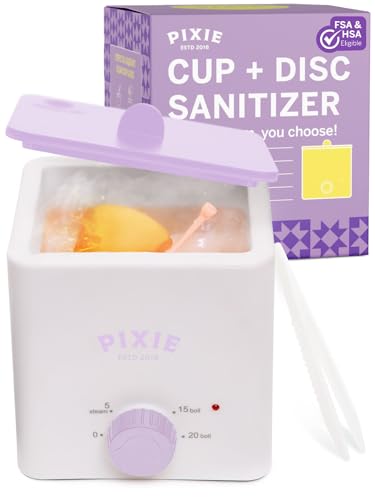
Pixie Menstrual Cup & Disc Boiler Sterilizer – Easily Clean Your Period Cup in Boiling Water! Kills 99.9% of Germs with Cleaner Solution for Feminine Care – FSA Eligible and HSA Eligible
FSA/HSA Eligible. Use your Flexible Spending Account or Health Savings Account card at checkout to purchase.
As an affiliate, we earn on qualifying purchases.
As an affiliate, we earn on qualifying purchases.
What’s the Difference Between Cleaning and Sterilizing: And When Do I Need Both?

Understanding the difference between cleaning and sterilizing helps you maintain a safe and healthy environment. Cleaning removes dirt and organic material, while sterilizing kills all microorganisms. You might use basic soap and water for cleaning, but sterilization requires specific sterilization methods like boiling, pressure steaming, or chemical disinfection. Think of this table as a visual guide:
| Cleaning | Sterilizing |
|---|---|
| Removes visible dirt | Kills all microorganisms |
| Uses soap or detergent | Uses high heat or chemicals |
| Doesn’t kill spores | Eliminates bacterial spores |
| Needed for everyday items | Needed for medical or baby tools |
| Less time-consuming | More thorough, longer process |
Use cleaning techniques for routine maintenance, and reserve sterilization for items needing complete microbial elimination. Proper sterilization procedures are essential for ensuring safety when handling medical tools, especially in environments where sterility is critical. To effectively sterilize items, it’s important to understand the sterilization process and select the appropriate method based on the item and situation. Incorporating proper sterilization techniques ensures that all microorganisms are effectively eliminated, reducing the risk of infection.

Wahl Professional Clini-Clip Spray, Fast-Acting Cleaner and Lubricant for Clipper Blades, Purifies Grooming Tools, Reduces Friction and Heat, 8 Fl Oz
Professional Precision: Designed for non-porous surfaces
As an affiliate, we earn on qualifying purchases.
As an affiliate, we earn on qualifying purchases.
Which Household Tools Should Be Sterilized Regularly?
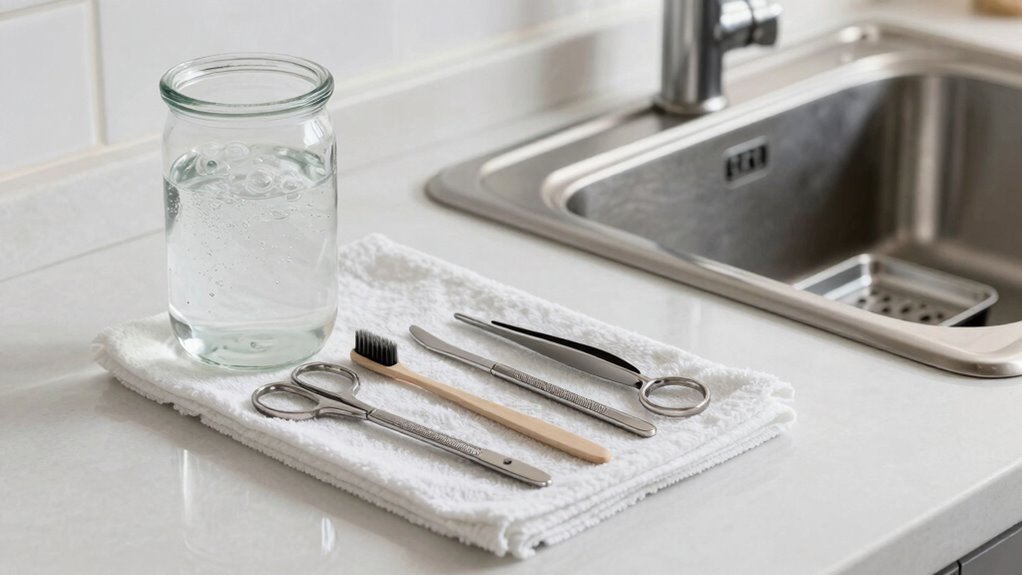
Certain household tools require regular sterilization to prevent the spread of germs and guarantee safety. Items like toothbrushes, razors, kitchen utensils, and cutting boards often come into contact with household bacteria that can cause illness. While some believe sterilization myths, such as all tools needing daily sterilization, not every item requires this level of care. Focus on tools that touch your skin or food directly, especially if shared or used by multiple people. Regular sterilization helps eliminate bacteria that can lead to infections or cross-contamination. Understanding the fundamentals of hygiene can help you determine which items truly need sterilization and when. Additionally, being aware of infection control practices can further reduce health risks associated with household tools. Proper disinfection methods, such as boiling or using appropriate disinfectants, are crucial for effective sterilization. For effective sterilization, using proper techniques such as high-temperature disinfection can ensure more thorough results. Remember, sterilizing small, frequently-used items ensures better hygiene and reduces health risks. Incorporating proper sterilization techniques into your routine can make a significant difference in maintaining a hygienic home environment. For most household tools, routine cleaning combined with occasional sterilization is enough to maintain a safe environment.

Upgraded UV Toothbrush Cleaner Holder Wall Mounted, Temracha Razor Electric Toothbrush Holder for Bathroom, LED Smart Screen, with Auto-Inductive Cover, Cleaning and 60-Degree Drying, for Home, Travel
【𝐃𝐮𝐚𝐥-𝐌𝐨𝐝𝐞 𝐒𝐲𝐬𝐭𝐞𝐦】①Portable Operation (Unplugged): [99-second UV-Clean] activates every 4 hours (Travel-optimized); ② Plug-in Mode: [99-second UV-Clean] activates every…
As an affiliate, we earn on qualifying purchases.
As an affiliate, we earn on qualifying purchases.
How to Safely Sterilize Your Kitchen and Personal Items at Home

Sterilizing your kitchen and personal items at home is a straightforward process that helps maintain a hygienic environment and reduces the risk of illness. UV sterilization is an effective method; you can use UV sterilizers to quickly eliminate germs on small items like utensils, phones, or keys without chemicals. For larger surfaces or items that can withstand chemical exposure, use disinfectants such as diluted bleach or alcohol-based solutions. Make sure to follow product instructions carefully and allow proper contact time. Regularly clean and disinfect high-touch areas like countertops, cutting boards, and personal grooming tools. Combining UV sterilization for convenience and chemical disinfectants for thoroughness guarantees your home stays safe and germ-free without overcomplicating the process.
Tips to Keep Your Tools Safe and Sterile Without Overdoing It
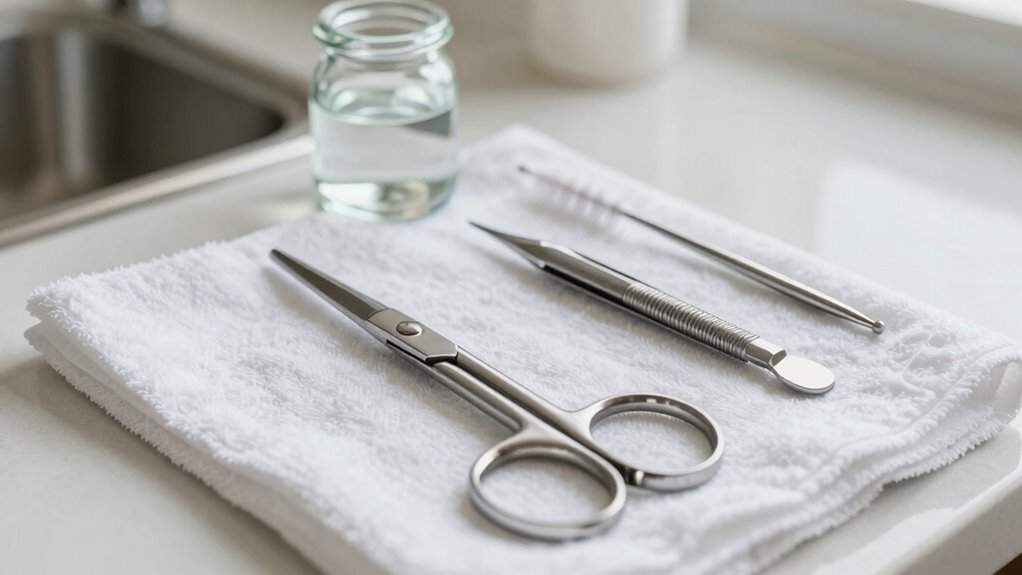
To keep your tools safe and sterile without overdoing it, focus on consistent but balanced cleaning routines. Many disinfection myths suggest that frequent, intense sterilization methods are always necessary, but that’s not true. Over-sterilizing can damage tools and waste time. Instead, choose appropriate sterilization methods based on your tools’ use and material. Proper document management can help you keep track of your sterilization schedules and routines. Regularly inspecting tools for wear and tear can also prevent unnecessary sterilization by identifying when cleaning is truly needed, aligning with effective home organization principles. Additionally, understanding the reliability of your sterilization methods ensures you’re not overusing resources or risking damage to your tools. Knowing how to maintain tools properly can extend their lifespan and ensure safety during use. Here are some tips:
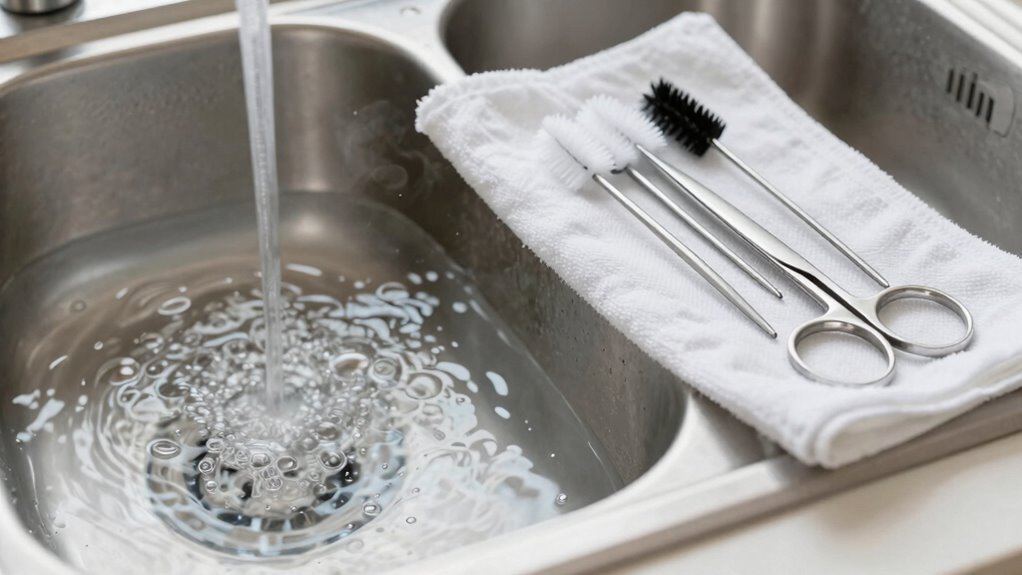
- Wash tools thoroughly with soap and water before sterilizing
- Use boiling water or a steam sterilizer for everyday items
- Save chemical disinfectants for heavy contamination
- Regularly inspect tools for wear and tear to avoid unnecessary sterilization
Frequently Asked Questions
Are There Specific Tools That Never Need Sterilization at Home?
Some tools, especially disposable ones like razors or nail files, never need sterilization since you throw them away after use. Non-porous surfaces, such as stainless steel or plastic, are easier to clean thoroughly. You should sterilize or disinfect reusable tools regularly, but for single-use disposable tools, disposal is sufficient. Always follow manufacturer instructions and consider the tool’s material and purpose to determine if sterilization is necessary.
Can DIY Sterilization Methods Harm My Tools or Skin?
DIY sterilization methods can harm your tools or skin if you’re not careful. Using harsh chemicals or high heat may cause damage or corrosion, reducing tool safety and lifespan. Always follow manufacturer instructions and opt for gentle cleaning techniques when possible. Properly sterilizing tools is essential to avoid infections, but rushing or improvising can lead to damage. Prioritize safe, proven methods to protect both your tools and your skin.
How Often Should Sterilization Be Performed for Baby Items?
You should sterilize baby bottles and pacifiers daily to keep your baby safe from germs. After each use, thoroughly clean them with hot, soapy water, then sterilize either by boiling for at least five minutes or using a sterilizer. Regular sterilization reduces bacteria buildup and guarantees your baby’s items stay hygienic. Make it a routine to protect your little one’s health and prevent infections effectively.
What Are the Risks of Over-Sterilizing Household Tools?
Over-sterilizing household tools can lead to risks like antimicrobial resistance, making germs harder to eliminate over time. It may also cause skin irritation if you’re exposed to harsh chemicals or excessive cleaning agents. You should balance sterilization with regular cleaning to avoid unnecessary exposure, and always follow manufacturer instructions. This way, you protect your health without promoting resistant bacteria or irritating your skin.
Is Boiling Water Effective for Sterilizing All Kitchen Utensils?
Boiling water can effectively sterilize many kitchen utensils, but it has its limitations. While it kills most bacteria and viruses, it doesn’t eliminate all spores or prions, highlighting some sterilization myths. Boiling limitations mean you should use additional methods like chemical disinfectants or high-temperature ovens for items needing thorough sterilization. Always consider the material of your utensils to avoid damage or ineffective sterilization.
Conclusion
While keeping your tools clean is essential, obsessively sterilizing everything can feel overwhelming and unnecessary. Striking a balance means protecting your loved ones without sacrificing your peace of mind. Remember, sometimes a thorough wash is enough, and overdoing it might cause more stress than benefit. By understanding what’s truly needed, you can create a safe, healthy home without losing sight of what really matters—comfort and confidence in your daily routine.