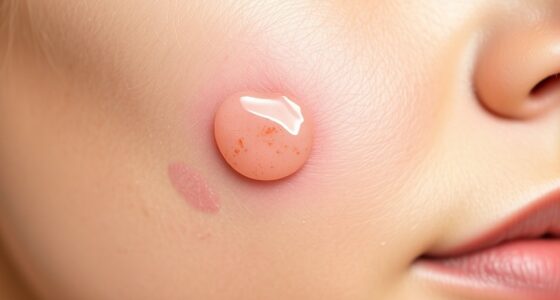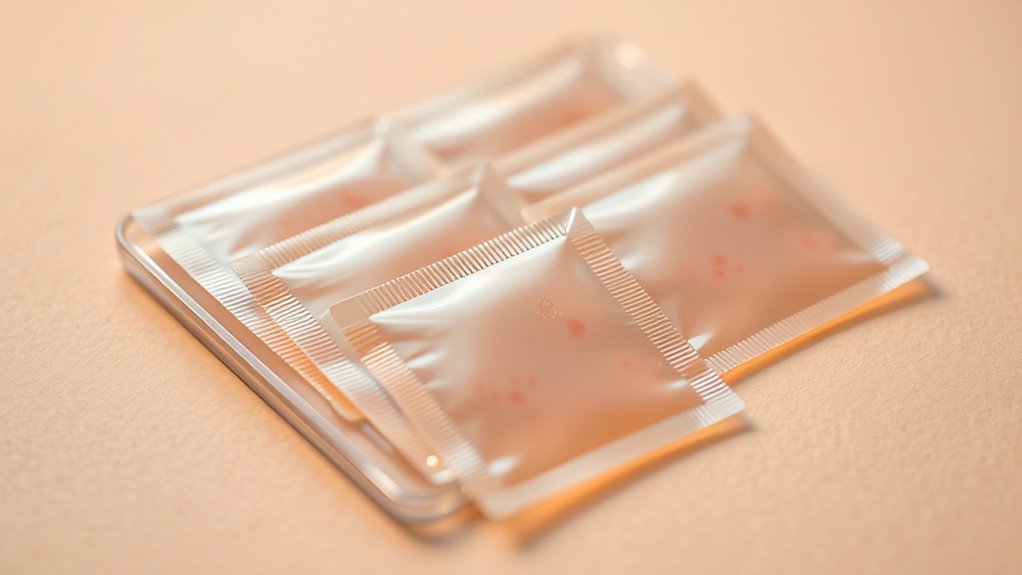

Acne patches with salicylic acid offer a targeted way to treat surface pimples quickly and discreetly. They help unclog pores, reduce redness, and prevent further infection, making them convenient for on-the-go use. However, they may cause irritation if you have sensitive skin or if used incorrectly. Keep in mind they’re best for surface blemishes and aren’t a cure-all for severe acne. If you want to find out more, there’s plenty to explore.
Key Takeaways
- They target blemishes directly, helping to unclog pores and reduce inflammation.
- Benefits include minimizing redness, preventing further irritation, and providing discreet treatment.
- Potential downsides include skin irritation, dryness, or peeling, especially for sensitive skin.
- Best used on surface pimples; less effective for cystic or deep acne.
- Should be combined with other skincare routines for optimal results and not seen as a standalone cure.

Are acne patches with salicylic acid the solution you’ve been searching for? If you’re tired of dealing with persistent pimples and want a faster way to clear your skin, these patches might seem like the perfect answer. They’re designed to target blemishes directly, delivering active ingredients right where you need them most. Salicylic acid, known for its ability to exfoliate inside the pores, helps unclog pores and reduce inflammation. When you apply these patches, you might notice that they draw out impurities and prevent new breakouts from forming. This targeted approach can be especially appealing if you’re looking for a discreet and convenient method to treat individual spots.
One major advantage of acne patches with salicylic acid is their pore clearing action. As you place the patch on a pimple, the salicylic acid penetrates the skin, helping to dissolve dead skin cells and excess oil inside the pore. This process can minimize the size and redness of your blemishes, giving you a smoother appearance over time. Plus, because the patches create a barrier, they protect the area from dirt, bacteria, and picking, which can worsen breakouts. They also make it easier to manage your skin, especially if you’re prone to touching your face often.
However, it’s important to be aware of potential downsides. For some people, patches with salicylic acid can cause skin irritation, especially if you have sensitive skin or use other strong skincare products. You might experience redness, dryness, or peeling around the treated area. If your skin reacts negatively, it could be a sign that the salicylic acid concentration is too high for you or that your skin isn’t used to such ingredients. It’s wise to do a patch test first and monitor how your skin responds before applying the patch more frequently. Additionally, while these patches are effective for surface blemishes, they aren’t a cure-all for deep cystic acne or more severe skin issues. They work best for surface-level pimples and may need to be combined with other treatments for more extensive skin care.
Frequently Asked Questions
Can Acne Patches With Salicylic Acid Cause Skin Dryness?
Yes, acne patches with salicylic acid can cause skin dryness if you’re not careful. Salicylic acid promotes skin exfoliation, which can reduce moisture and lead to dryness if your skin’s hydration isn’t maintained. To avoid this, make certain your products are compatible with your skin type and use a good moisturizer. Keep an eye on your skin’s response and adjust your routine to maintain proper skin hydration.
Are These Patches Suitable for Sensitive Skin Types?
Is your skin a delicate butterfly? If so, acne patches with salicylic acid might be a bit heavy for sensitive skin. They can sometimes cause irritation or dryness. To be safe, always perform a patch test first—it’s like a sneak peek before the main act. If your skin reacts, consider alternative treatments. These patches can work, but only if your skin is tolerant enough to handle salicylic acid.
How Often Should I Use Salicylic Acid Patches?
You should use salicylic acid patches according to the frequency guidelines on the product, typically once or twice daily. Apply the patch directly on clean, dry skin, focusing on acne-prone areas. Avoid overusing, as it can cause irritation or dryness. Always follow the patch application instructions carefully, and if you notice redness or discomfort, reduce usage or consult a dermatologist for personalized advice.
Do They Work on Cystic Acne or Only Surface Blemishes?
Oh, sure, acne patches with salicylic acid are miracle workers for cystic acne, right? Sadly, they mainly target surface blemishes, not deep cysts. If you’re looking for effective cystic acne treatment, these patches won’t do much for those painful, underground lumps. They’re best for surface blemish target, like small pimples. For cystic acne, you’ll need a more powerful, targeted approach—these patches are just a surface-level fix.
Can Salicylic Acid Patches Be Combined With Other Acne Treatments?
Yes, you can combine salicylic acid patches with other acne treatments to enhance your results. This approach, known as combination therapy, allows you to target different aspects of acne for treatment synergy. Just make sure to space out applications to prevent irritation and consult your dermatologist for personalized advice. Combining treatments like topical antibiotics or benzoyl peroxide with salicylic acid patches can effectively clear your skin faster.
Conclusion
While acne patches with salicylic acid can be effective for spot treatment, they aren’t a miracle cure. Think of them as a helpful tool in your skincare kit, targeting pimples directly. However, they work best when combined with a consistent routine and healthy habits. Remember, everyone’s skin reacts differently—what clears one pimple might not work for all. So, stay patient, test a patch first, and give your skin time to heal naturally.