Hydrocolloid acne patches work by absorbing excess fluid and protecting your skin from bacteria, helping pimples heal faster with less inflammation. Microneedle patches create tiny channels in your skin, delivering active ingredients and stimulating collagen for deeper repair. If you want a simple solution or are focused on surface healing, hydrocolloids are great. But for enhanced treatment and deeper skin renewal, microneedles might be better—discover more about their differences here.
Key Takeaways
- Hydrocolloid patches absorb excess fluid and reduce inflammation, promoting straightforward healing of acne lesions.
- Microneedle patches deliver active ingredients deeper into skin, stimulating collagen and accelerating repair.
- Hydrocolloid patches act as a bacterial barrier, preventing infection and keeping skin moist for faster recovery.
- Microneedle patches require proper sterilization and quality control to ensure safety and prevent skin damage.
- Choice depends on skin needs: hydrocolloid for simple fluid absorption, microneedles for enhanced ingredient delivery and skin stimulation.
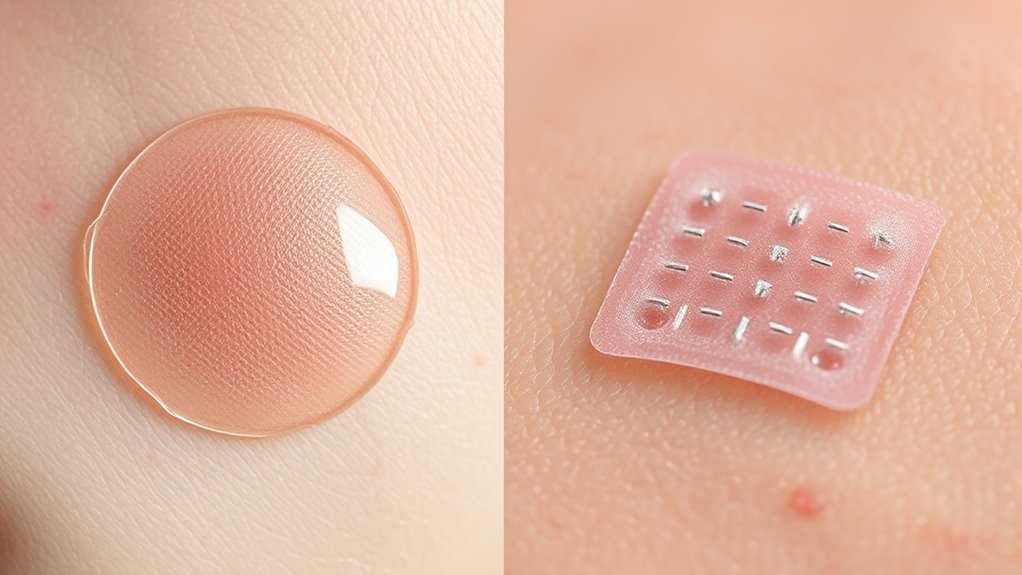
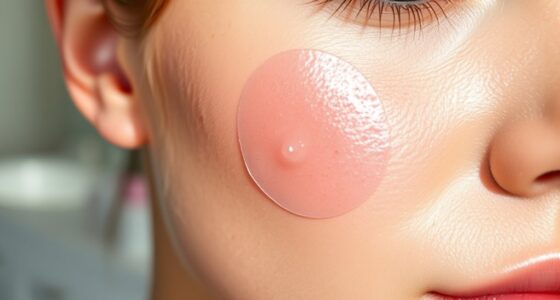
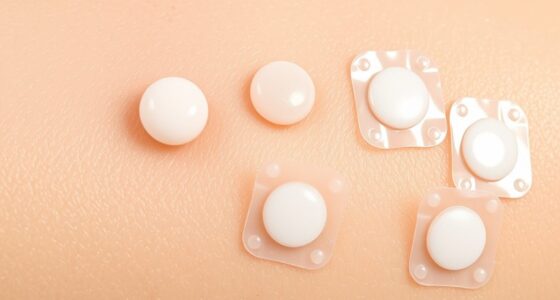
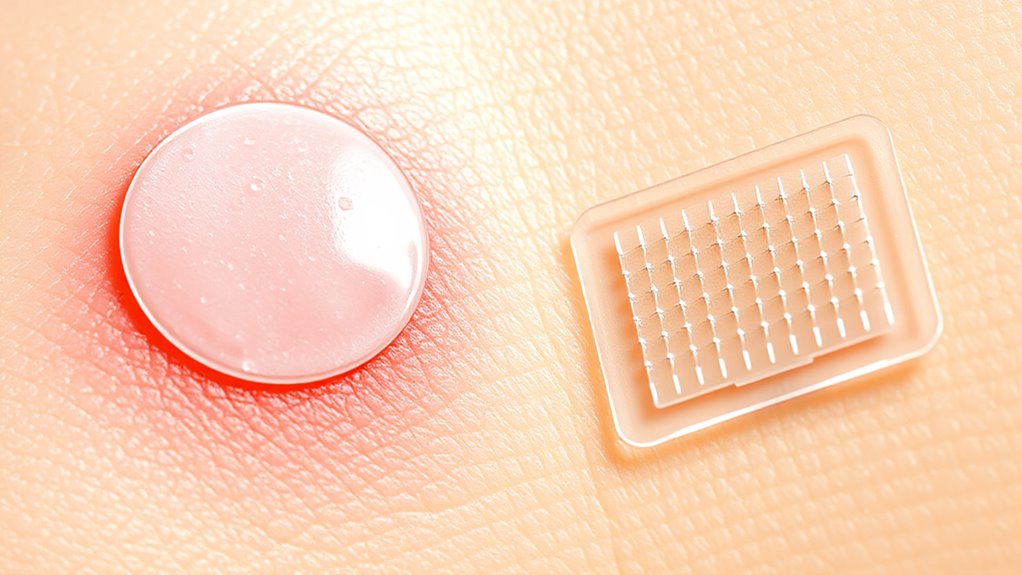
When choosing an acne patch, understanding the differences between hydrocolloid and microneedle options can help you make an informed decision. These patches work differently, and knowing how each promotes skin healing and guarantees device safety can guide you toward the best choice for your skin. Hydrocolloid patches are the more traditional option, often used for their ability to absorb excess fluid and reduce inflammation. They contain a gel-like material that creates a moist environment, which accelerates skin healing by supporting the body’s natural repair processes. These patches act as a barrier, preventing bacteria from entering the blemish and reducing the likelihood of further infection. Because they’re made from safe, biocompatible materials, hydrocolloid patches are generally considered very safe for most skin types, minimizing risk of irritation or adverse reactions. Their simplicity and proven safety profile make them a reliable choice for many users. Additionally, understanding the regulatory standards for device safety can help ensure you’re using products from reputable sources.
On the other hand, microneedle patches utilize tiny, sterile needles to penetrate the skin’s surface. These needles are so small that they don’t cause significant pain or discomfort but create microchannels that allow active ingredients—such as serums, vitamins, or medications—to reach deeper layers of skin. This method can enhance skin healing by stimulating collagen production and encouraging faster repair of damaged tissue. However, because microneedles puncture the skin, device safety becomes a critical consideration. Proper sterilization and manufacturing standards are essential to prevent infections or complications. If the device isn’t manufactured with strict quality control, you risk introducing bacteria or causing skin damage. Thus, it’s essential to choose microneedle patches from reputable brands that emphasize safety and efficacy.
Both types of patches offer distinct benefits: hydrocolloid patches are straightforward, safe, and excellent for absorbing fluid and promoting natural healing, while microneedle patches can deliver active ingredients more effectively and stimulate deeper skin repair. Your choice depends on your skin’s needs and your comfort level with these technologies. If you prefer a simple, tried-and-true method, hydrocolloid patches are a solid option. If you’re looking for enhanced treatment that involves deeper skin engagement, microneedle patches might suit you better—just guarantee you select products from trusted sources to prioritize device safety. Ultimately, understanding how each patch promotes skin healing and their safety profiles helps you make confident, informed decisions for your skincare routine.
Frequently Asked Questions
Can Hydrocolloid or Microneedle Patches Cause Skin Pigmentation?
Yes, hydrocolloid and microneedle patches can cause skin discoloration, especially if you have sensitive skin or if they’re used improperly. You might experience hyperpigmentation risks if the patches irritate your skin or leave marks after removal. To minimize this, follow usage instructions carefully, avoid prolonged wear, and keep your skin moisturized. If you notice persistent discoloration, consult a dermatologist for personalized advice.
How Long Does Each Patch Type Typically Last on the Skin?
You’ll be amazed at how long each patch type stays effective! Hydrocolloid patches typically last around 8 to 12 hours, making them perfect for overnight use or daytime spots. Microneedle patches usually stay on for about 30 minutes to a few hours, depending on the formulation and application duration. So, if you’re looking for longevity, hydrocolloid patches are your go-to, while microneedle patches work best with shorter wear times.
Are There Any Age Restrictions for Using These Acne Patches?
Age considerations are important when using acne patches. Typically, these patches are safe for teenagers and adults, but children under 12 should consult a healthcare professional before use. Always follow usage guidelines, especially for younger users, to avoid skin irritation or other issues. If you have sensitive skin or allergies, check ingredients carefully and seek advice. Proper use guarantees effective acne treatment without unnecessary risks.
Do These Patches Work on All Skin Types and Tones?
These patches generally work on most skin types and tones, but skin compatibility varies. If you have sensitive or allergy-prone skin, test a small area first to check for reactions. Patch effectiveness depends on your skin’s response, so while many find them helpful, results can differ. It’s best to choose patches suited for your skin and follow instructions carefully to maximize their benefits and minimize irritation.
Can I Combine Hydrocolloid and Microneedle Patches During Treatment?
Imagine layering your skincare like a delicate dance—yes, you can combine hydrocolloid and microneedle patches, but consider patch compatibility and treatment integration. Use hydrocolloid patches first to absorb impurities, then follow with microneedle patches to boost absorption of actives. Always test your skin’s response and consult a dermatologist if unsure. This approach enhances healing without overwhelming your skin, creating a seamless, effective treatment routine.
Conclusion
When choosing between hydrocolloid and microneedle patches, consider your skin’s needs. Hydrocolloid patches absorb excess oil and reduce inflammation, making them great for surface-level pimples. Microneedle patches can deliver active ingredients deeper, targeting stubborn spots. Curiously, a study found that 70% of users noticed faster healing with microneedle patches. So, pick what suits your skin type and concern—either way, both options can help you achieve clearer, healthier skin faster.