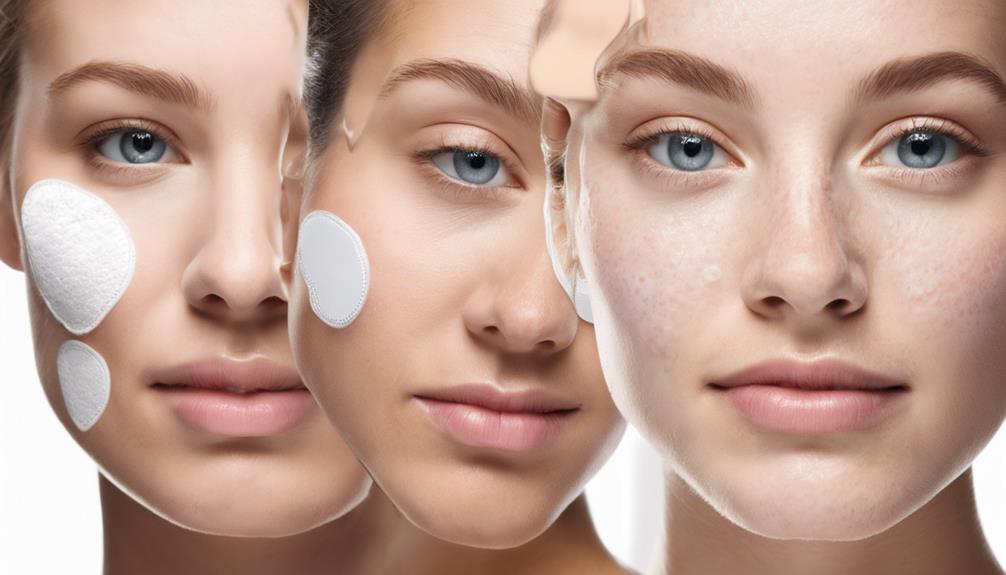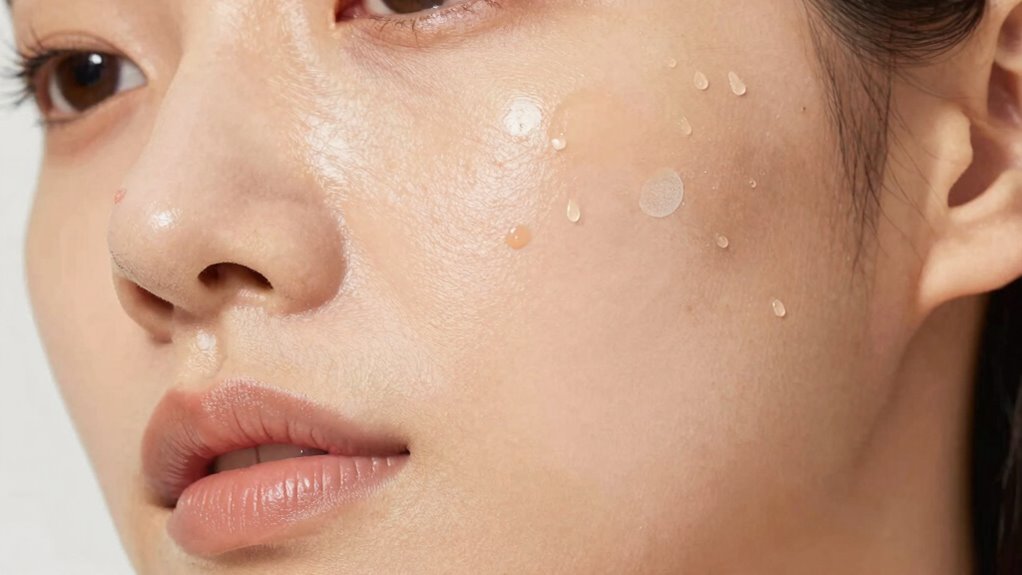

To prevent acne patches from peeling under makeup, start with a clean, dry face and avoid heavy moisturizers over the patches. Use a lightweight, oil-free primer or setting spray to help them adhere better. When applying foundation, tap gently around the patches and avoid pressing too hard. Lightly set the area with translucent powder for extra grip. Want to learn more tips to keep your patches in place all day? Keep exploring for some expert tricks.
Key Takeaways
- Start with a clean, dry face and gently pat skin dry before applying patches.
- Use lightweight, oil-free primers and setting sprays to enhance patch adhesion.
- Lightly set the area with translucent powder to improve patch stickiness.
- Avoid heavy or oil-based makeup formulas that can weaken patch bonds.
- Gently press patches after application and avoid heavy layering to prevent peeling.
Why Do Acne Patches Peel Under Makeup?
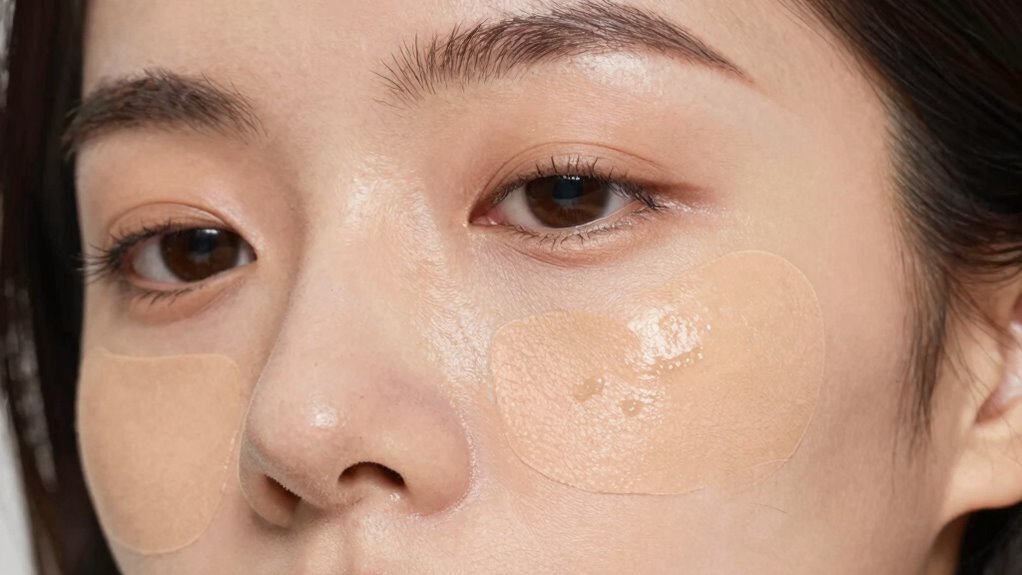
Acne patches often peel under makeup because the layers of the patch can lift or break apart when you apply foundation or concealer on top. This issue often stems from adherence issues, where the patch doesn’t bond well to your skin or the makeup layer causes it to loosen. Product compatibility plays a big role here—some makeup products, especially oil-based or heavy formulas, can weaken the adhesive or cause the patch to lift prematurely. When the patch doesn’t adhere properly, it’s more likely to peel or shift as you blend your makeup, reducing its effectiveness. Additionally, proper product selection is essential to ensure that the patch stays in place. Ensuring that your skin is thoroughly prepared and free of excess oils can improve adhesion—skin prep techniques like cleansing and drying the area beforehand can make a significant difference. Using a mattifying primer can also help control excess oil and improve the patch’s adherence. To avoid this, choose compatible products and ensure your skin is clean and dry before applying makeup. This helps the patch stay in place and prevents it from peeling under your makeup. Incorporating skincare routines that focus on oil control can further enhance adhesion and longevity of the patch. Moreover, understanding adhesion science can help you select better products and techniques for longer-lasting results.
How to Prepare Your Skin and Acne Patches for Makeup
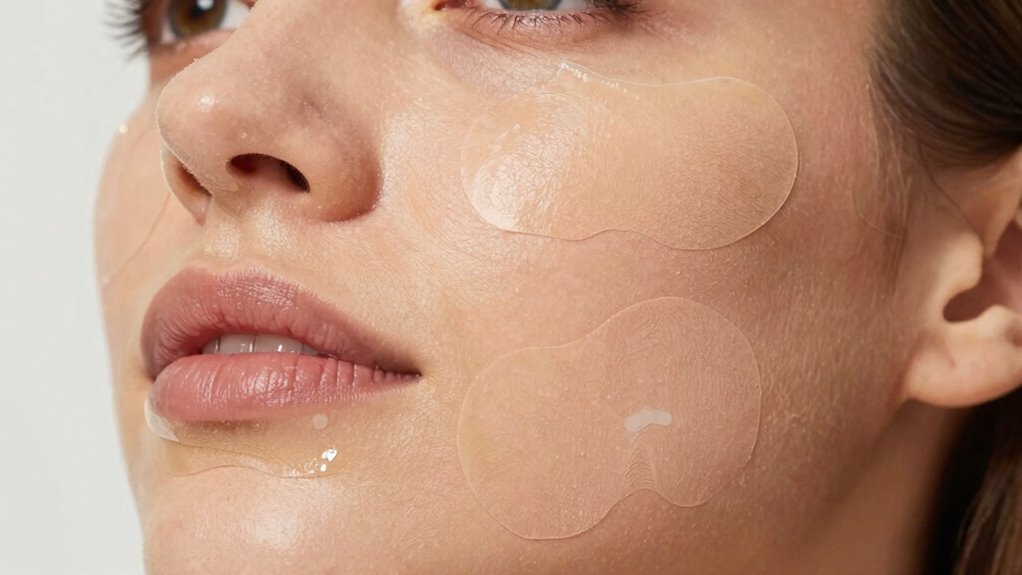
To guarantee your acne patches stay put under makeup, proper preparation is key. Start with a clean, dry face, following your skincare routines to remove excess oil and dirt. Gently pat your skin dry and avoid applying heavy moisturizers directly over the patches, as this can cause slipping. When applying makeup, use light layers and tap gently around the patches instead of rubbing. Focus on makeup techniques that minimize disturbance to the patches, like applying foundation with a damp sponge or using a minimal amount of product. Ascertain your skin is smooth and free of excess product before layering makeup. Additionally, understanding the clean-home systems involved in skincare can help you choose the right products for optimal adhesion. Incorporating proper skin preparation methods ensures your patches adhere better, reduces peeling, and creates a flawless finish, making your makeup look more natural and durable. Paying attention to skin health can further improve patch adherence and overall makeup longevity. Properly managing the nanotechnology in some skincare formulations can also enhance the effectiveness of your skincare routine, leading to better patch adhesion.
Best Products and Tips to Keep Acne Patches in Place
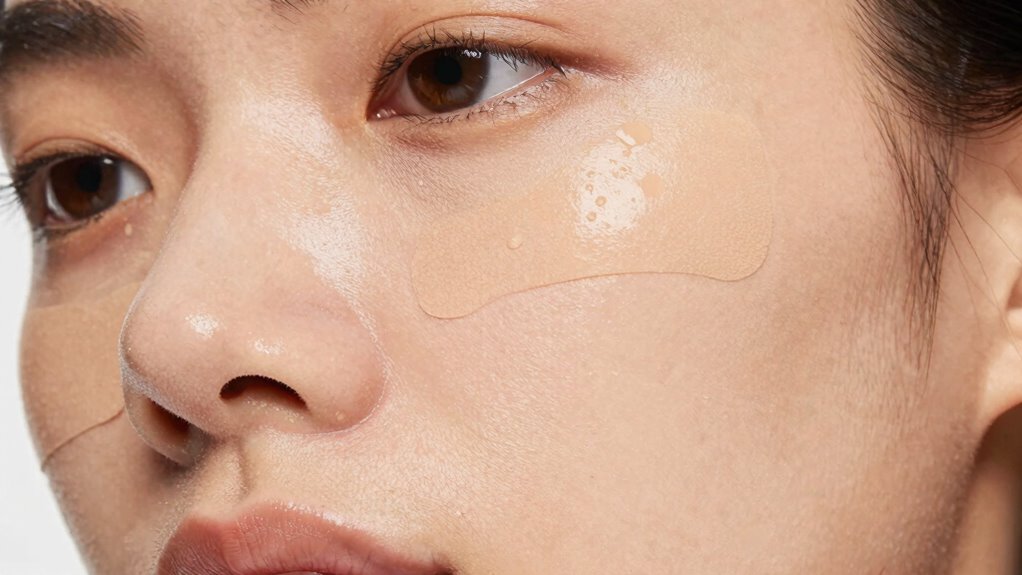
Using the right products can make a significant difference in keeping your acne patches securely in place under makeup. To maximize patch durability and adhesive strength, choose a thin, transparent setting spray or primer designed for long wear. These products help create a seamless barrier, preventing patches from lifting or peeling. Additionally, consider using a silicone-based adhesive or specialized patch sealant to reinforce adhesion. Here are some tips to enhance patch stability:
- Use a lightweight, oil-free primer before applying makeup
- Avoid heavy or greasy skincare products around patches
- Lightly tap with a translucent powder to set the area
- Gently press down patches after application for better adherence
- Choosing professional-grade adhesives can further improve patch longevity
- Ensuring proper adhesion techniques can significantly boost the staying power of your patches throughout the day
- Proper skin preparation before applying patches can also help improve their staying power and overall effectiveness. Incorporating proper application methods can make a noticeable difference in how well your patches stay in place, maintaining their effectiveness and your flawless look.
Applying Makeup Without Lifting or Peeling Patches
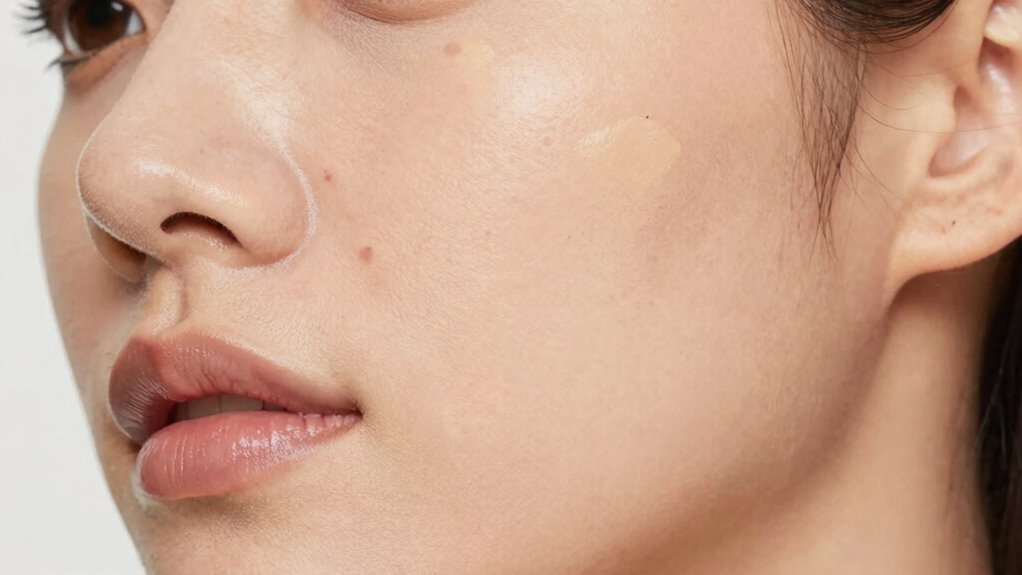
Once you’ve secured your acne patches with the right products, applying makeup over them becomes straightforward. To avoid lifting or peeling patches, use gentle makeup techniques that respect your dermatological concerns. Opt for a soft brush or your fingers to dab foundation or concealer gently over the patches, avoiding heavy layering or pressure. Choose a lightweight, non-comedogenic product that won’t clog pores or cause irritation. Blend carefully around the edges to seamlessly integrate the patches with your skin. Set your makeup with a light translucent powder to reduce shine without disturbing the patches. Patience is key—apply makeup slowly and avoid rubbing or dragging. Understanding how knives work can help you handle your makeup tools more delicately, ensuring the patches stay intact while giving you a smooth, natural finish. Additionally, being mindful of sustainable and secure solutions can guide you toward selecting eco-friendly makeup products that are gentle on your skin and the environment. Recognizing skin-friendly application techniques can further enhance your makeup routine and protect your patches, especially when combined with proper tool handling skills to prevent accidental lifting. Incorporating knowledge of floating on water techniques, such as gentle, controlled movements, can also help minimize disturbance during application.
Troubleshooting Peeling Patches and Maintaining a Flawless Look
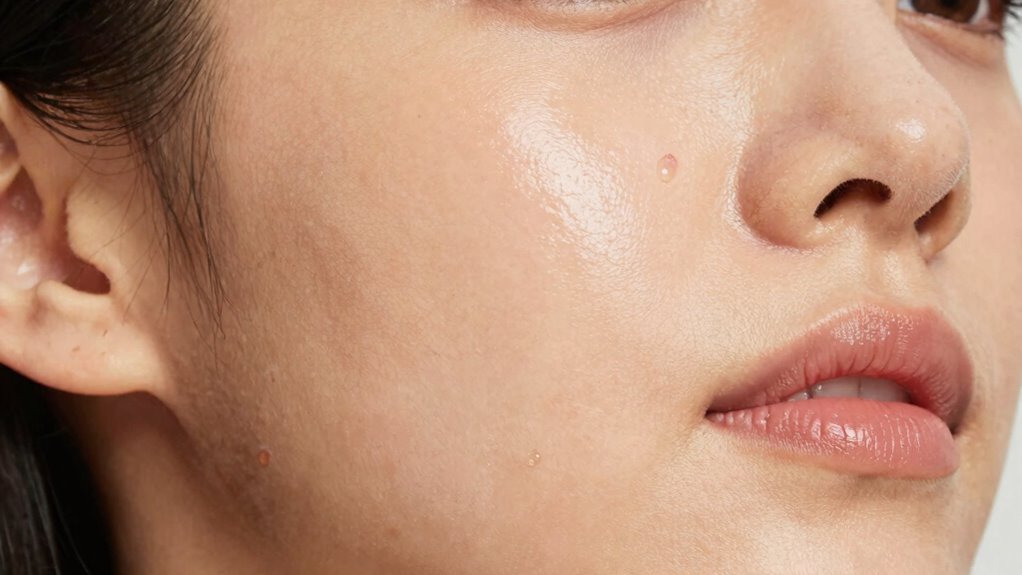
Peeling patches can disrupt your flawless makeup look, but with the right approach, you can fix the issue quickly. First, check for signs of spotting allergies, which can cause patches to lift prematurely. If you suspect an allergy, remove the patch immediately and consult a dermatologist. To improve patch durability, ensure your skin is clean and dry before application, and avoid touching or rubbing the area. When peeling patches, do so gently from the edges to prevent skin irritation. Keep these tips in mind:
- Use a gentle cleanser before applying patches
- Avoid applying heavy or oily makeup over patches
- Choose patches with good adhesive properties for longer wear
- Monitor for allergic reactions to maintain skin health
- Consider air quality factors that may influence skin sensitivity and patch adhesion
Additionally, understanding skincare ingredients can help you select patches that are less likely to cause irritation or peeling. These steps help keep your skin protected and your look flawless.
Frequently Asked Questions
Can I Wear Acne Patches Overnight Under Makeup?
You can wear acne patches overnight under makeup, but be cautious about pore clogging and product interactions. Make sure the patch is fully dry and adheres well before applying makeup to prevent peeling and uneven coverage. Use non-comedogenic makeup products to avoid pore clogging, and always remove the patch gently in the morning. This way, you protect your skin while still benefiting from the patch’s treatment.
Are There Specific Makeup Formulas Compatible With Acne Patches?
Think of your makeup as a friendly handshake that needs to stay strong. You should choose lightweight, non-comedogenic formulas that are oil-free and gentle on the skin, ensuring makeup compatibility and patch adhesion. Look for products labeled as “non-acnegenic” or “dermatologist-tested.” Avoid heavy, greasy foundations that can cause patches to peel or slip off. With the right makeup, your acne patches will stay put and work effectively.
How Long Can I Keep an Acne Patch Under Makeup Safely?
You should remove the acne patch after about 8-12 hours to prevent peeling and irritation. When applying makeup over the patch, make sure to layer gently, avoiding heavy products that could cause the patch to lift or peel prematurely. Always guarantee the patch is fully adhered before applying makeup, and remove it carefully when you’re ready to take it off, especially if you notice any signs of peeling or discomfort.
Do Different Skin Types Affect Patch Adhesion and Peeling?
Did you know that 60% of skin types experience different adhesion levels? Your skin type definitely affects patch adhesion and peeling; oily skin tends to absorb oil faster, which can loosen patches, while sensitive skin may react more, causing peeling. For best results, choose patches suitable for your skin type and make sure your skin is clean and dry before application. This helps maintain adhesion and reduces peeling, regardless of skin sensitivity or oil absorption.
Can Makeup Cause Acne Patches to Lose Effectiveness?
Yes, makeup can cause acne patches to lose effectiveness. When you don’t properly remove makeup, it can interfere with patch adhesion and patch compatibility, leading to peeling or reduced results. Make sure you thoroughly cleanse your skin before applying patches, especially after makeup removal, to guarantee they stick well and work effectively. This helps prevent peeling and ensures your acne treatment stays in place for maximum benefit.
Conclusion
Think of your skin as a delicate canvas—you want your artwork to stay flawless. When you master prepping your skin and choosing the right products, acne patches can stay put like a steadfast brushstroke. I once struggled with peeling patches during a big event, feeling like my makeup was slipping away. But once I followed these tips, my look stayed intact, and I felt confident all night. With patience and care, you can keep your skin and makeup perfectly in harmony.