
Using acne patches can help lower your risk of scarring by preventing you from picking at blemishes, which often worsens skin damage. They create a barrier that reduces inflammation, absorbs excess fluids, and promotes faster healing. Proper use supports the skin’s natural repair process and minimizes trauma to the affected area. To learn more about how acne patches can protect your skin and improve healing, keep exploring the options available.
Key Takeaways
- Acne patches block dirt and bacteria, reducing inflammation and tissue damage that can lead to scarring.
- They prevent skin picking, minimizing trauma and the risk of post-inflammatory hyperpigmentation.
- By absorbing fluids and swelling, patches support faster healing, decreasing the chance of scar formation.
- Proper use early in a pimple’s development helps reduce tissue damage and scar risk.
- They promote smoother healing, which can help prevent permanent scars from inflamed blemishes.

Acne patches have become a popular solution for targeting pimples quickly, but many people still wonder if they can help with preventing or reducing scars. While they’re primarily designed to absorb excess oil, reduce inflammation, and keep you from picking at your blemishes, their role in scar prevention is less straightforward. One concern that often comes up is whether using acne patches might lead to skin irritation or even worsen scarring. It’s important to understand how they work and what you can do to minimize any adverse effects.
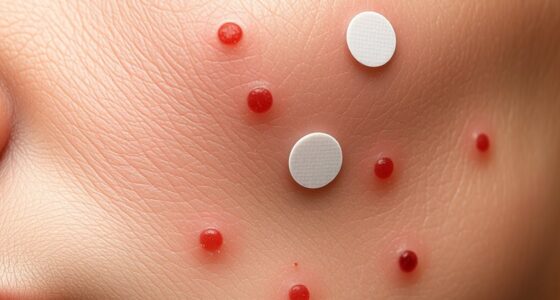
When you place an acne patch over a pimple, it creates a barrier that protects the area from external dirt and bacteria. This barrier also prevents you from touching or squeezing the blemish, which is vital because pimple extraction—done improperly or aggressively—can cause trauma to the skin. If you pick at your pimple, you risk breaking the skin and pushing bacteria or debris deeper, which increases the likelihood of scarring. Acne patches help by reducing the temptation to pick, thereby lowering the risk of skin irritation and tissue damage that can lead to scars.
However, if you leave a patch on for too long or if it doesn’t fit well, you might experience skin irritation. This irritation can sometimes result in redness, peeling, or even small bumps, especially if you have sensitive skin. Skin irritation, in turn, can exacerbate post-inflammatory hyperpigmentation or lead to further tissue damage, which might make scars more prominent over time. To avoid this, it’s essential to follow the instructions—change patches regularly, keep the skin clean before application, and avoid leaving them on longer than recommended.
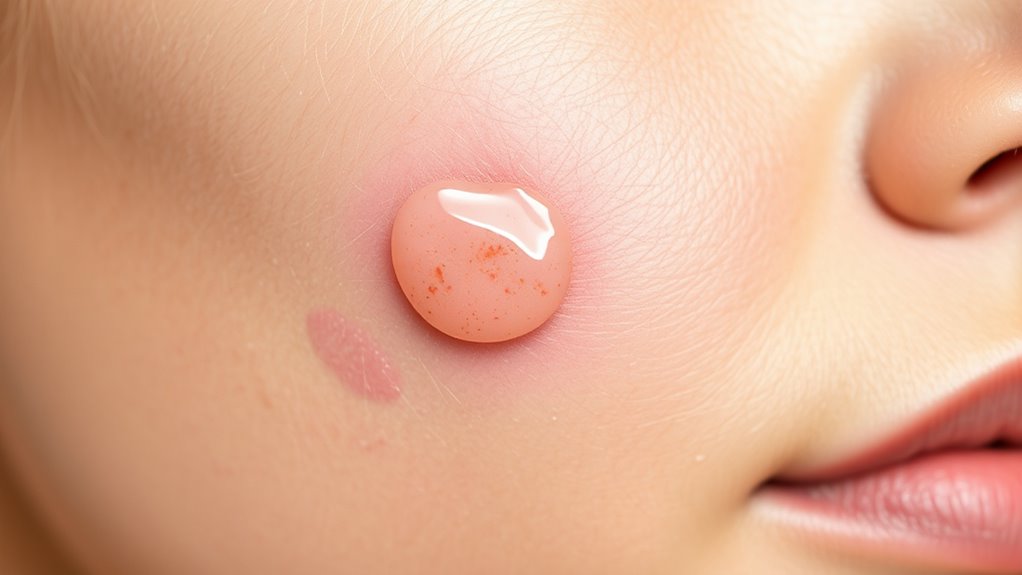
Additionally, some ingredients in acne patches, such as hydrocolloid, are designed to absorb pus and fluids from cystic or inflamed pimples. By doing so, they help to reduce swelling and promote healing. This process can support the skin’s natural repair mechanisms, possibly reducing the risk of scars forming after the pimple heals. The key is to use patches early in the breakout stage—before the pimple becomes too inflamed or cystic—so that the skin can recover more smoothly with minimal trauma. Furthermore, understanding how automated skincare advances can lead to better targeted treatments to prevent scars effectively.
Frequently Asked Questions
Do Acne Patches Work on Cystic Acne?
Yes, acne patches can work on cystic acne, but their effectiveness depends on the pimple type and severity. For inflammatory cystic pimples, patches with ingredients like hydrocolloid help absorb excess fluid and reduce inflammation. However, for deep cystic pimples, you might need additional treatment methods like prescription medications. Always choose the right patch for your pimple type and consult a dermatologist for the best treatment plan.
Can Acne Patches Prevent Hyperpigmentation?
Acne patches can help prevent hyperpigmentation by protecting active breakouts from picking and further irritation. When you use them consistently as part of your skincare routines, they reduce inflammation and minimize the chance of dark spots forming after a pimple heals. While not a guaranteed hyperpigmentation prevention, incorporating acne patches into your routine supports healthier skin, speeds healing, and lowers the risk of post-inflammatory marks.
Are There Side Effects From Long-Term Use?
Like a cautious traveler, you might wonder about long-term safety when using acne patches. While they can be effective, extended use may lead to skin irritation or sensitivity, especially if you have delicate skin. It is crucial to monitor how your skin reacts over time and avoid overusing patches. Consulting a dermatologist ensures you’re using them safely and minimizes the risk of adverse effects from prolonged use.
How Quickly Do Acne Patches Show Results?
You can see results from acne patches in as little as a few hours to a couple of days. Their hydration benefits help soothe your skin, while the ingredient effectiveness targets blemishes directly. Consistent use enhances their ability to reduce inflammation and absorb impurities, speeding up healing. Keep in mind, individual responses vary, so patience is key to noticing clearer skin and minimizing scarring risk over time.
Can Acne Patches Be Used Alongside Other Treatments?
Yes, you can combine acne patches with other treatments, including exfoliation and spot treatments. Notably, studies show that using multiple acne therapies together can boost effectiveness by up to 30%. When you use acne patches as a spot treatment, they help target inflammation, while exfoliation clears away dead skin, improving results. Just be sure to space out treatments to avoid irritation and maximize their benefits.
Conclusion
While acne patches seem promising in minimizing inflammation and preventing scars, the true impact remains a mystery. Could they be the secret weapon in your skincare routine, or just a fleeting trend? The answer isn’t clear yet, and more research is needed. But one thing’s certain: your skin’s future might depend on the choices you make today. Stay tuned—what’s next could redefine how you tackle acne forever.