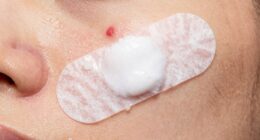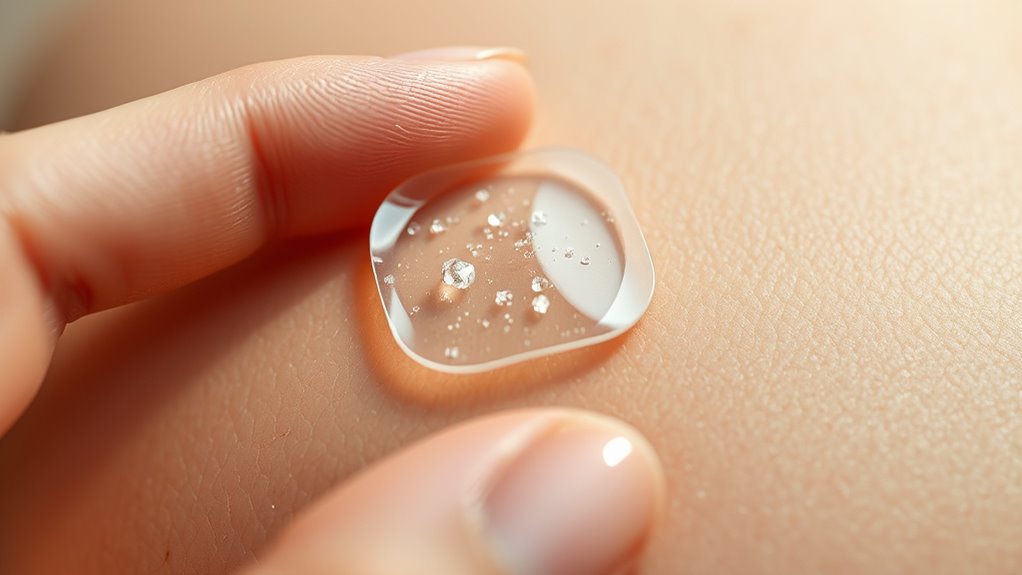
Use salicylic acid pimple patches as soon as you notice a small bump or whitehead starting to develop. Applying the patch early allows it to target the blemish directly, speeding up healing and preventing it from worsening or spreading. Place the patch over the area and keep it on overnight or throughout the day for best results. Want to learn more about perfect timing and application tips? Keep going for expert advice.
Key Takeaways
- Use when small bumps or whiteheads are forming for targeted treatment.
- Apply overnight or during the day directly over the blemish for best results.
- Place patches early in the development stage to accelerate healing and prevent worsening.
- Avoid applying on broken or highly irritated skin to minimize irritation.
- Follow proper timing and avoid overuse to prevent dryness or skin sensitivity.
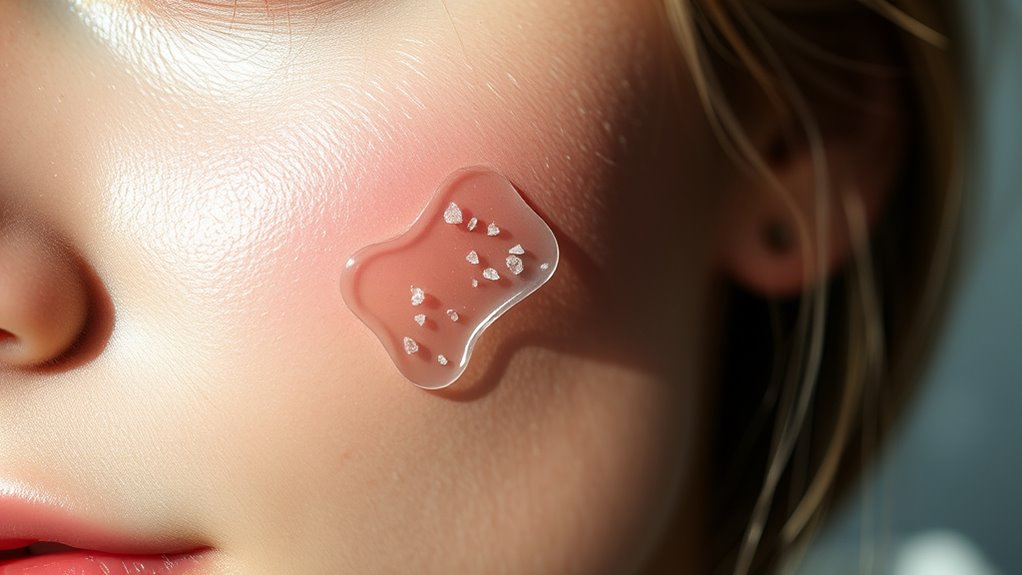
If you struggle with occasional breakouts, salicylic acid pimple patches can be a game-changer. These patches are designed to target acne directly at the source, promoting acne healing while minimizing the risk of further skin irritation. When you spot a pimple, especially one that’s inflamed or ready to surface, applying a salicylic acid patch can help reduce redness and swelling faster than traditional treatments. The active ingredient, salicylic acid, penetrates deep into the pores, dissolving debris and excess oil that clog hair follicles, which are often the root causes of pimples. This targeted approach means you’re not just covering up the blemish—you’re actively working to clear it up.
Using these patches at the right time is essential. When you notice a small bump or a developing whitehead, apply the patch directly over the blemish. The adhesive keeps the active ingredient in close contact with your skin, allowing it to work effectively overnight or throughout the day. This method not only accelerates acne healing but also helps prevent the pimple from worsening or spreading. Because salicylic acid is a beta hydroxy acid (BHA), it’s oil-soluble, making it especially good at penetrating oily skin and clogged pores. However, this strength can sometimes lead to skin irritation if overused or if your skin is sensitive. To avoid this, start with shorter wear times and don’t apply the patches to broken or highly irritated skin, which could exacerbate skin irritation.
Another benefit of salicylic acid patches is that they help keep your skin calm. Unlike other acne treatments that can dry out your skin or cause peeling, these patches provide a controlled dose of active ingredients, reducing inflammation without stripping your skin’s natural barrier. Proper sun protection is important when using these patches, as salicylic acid can increase skin sensitivity to UV rays. If you have sensitive skin, look for patches formulated with soothing ingredients or use them sparingly until your skin adapts. Keep in mind that while salicylic acid patches are excellent for surface-level treatment and preventing new breakouts, they might not be sufficient for cystic acne or deeper lesions. In such cases, consulting a dermatologist for a thorough treatment plan is advisable.

LivaClean 330 CT Pimple Patches for Face w/Salicylic Acid, Tea Tree Oil & Calendula Oil – Four Sizes – Pimple Patch, Hydrocolloid Patch, Acne Patches for Face
- Effective Pimple Absorption: Absorbs impurities and minimizes blemishes
- Discreet, Four Sizes: Fits easily in purse or bathroom kit
- Infused with Natural Oils: Contains Tea Tree, Salicylic Acid, Calendula
As an affiliate, we earn on qualifying purchases.
As an affiliate, we earn on qualifying purchases.
Frequently Asked Questions
Can Salicylic Acid Patches Be Used on Sensitive Skin Types?
Yes, salicylic acid patches can be used on sensitive skin types, but you need to check the patch compatibility first. Look for patches specifically designed for sensitive skin, as they often contain gentler formulations. Always do a patch test on a small area before applying it to your face. If you notice irritation or increased redness, discontinue use and consult a dermatologist.
How Long Should I Leave a Pimple Patch On?
Did you know that leaving a pimple patch on for too long can reduce its effectiveness? For best results, follow the duration guidelines on the packaging, typically 6-8 hours or overnight. You should remove the patch once your pimple has flattened or if it starts to peel. Always patch removal should be gentle, and avoid leaving it on longer than recommended to prevent irritation or skin damage.
Are Salicylic Acid Patches Effective for Cystic Acne?
Salicylic acid patches can help with cystic acne treatment, but their effectiveness varies. They work best for surface pimples, reducing inflammation and unclogging pores. For cystic acne, which is deeper and more stubborn, these patches might offer limited relief. You should consider other treatments like topical retinoids or dermatologist advice for better results. While pimple patch effectiveness depends on the type of acne, combining strategies can improve your overall outcome.
Can I Wear Makeup Over Salicylic Acid Patches?
Yes, you can wear makeup over salicylic acid patches, but it’s best to be cautious. For makeup compatibility, wait until the patch is fully removed and the skin is dry. Use gentle, non-comedogenic products to avoid irritation. When removing the patch, do it slowly and with care—patch removal tips include soaking the area if needed and peeling gently to prevent skin damage. This helps keep your skin healthy and clear.
How Often Should I Use Salicylic Acid Pimple Patches?
You should use salicylic acid pimple patches according to the frequency guidelines on the packaging, typically once or twice daily. It’s important to incorporate patch rotation, alternating with other acne treatments, to prevent irritation. Focus on applying patches only to active pimples, and avoid overuse. Monitoring your skin’s response helps determine the right frequency, ensuring effective treatment without causing dryness or sensitivity.
Conclusion
If you’re battling stubborn pimples, salicylic acid patches can be a game-changer. For example, Sarah used one on a cystic spot before bed, and by morning, it was less inflamed and smaller. Just remember, use them when the pimple is active and avoid overusing to prevent dryness. When applied correctly, these patches can help you stay confident and clear. Give them a try and see how they fit into your skincare routine!