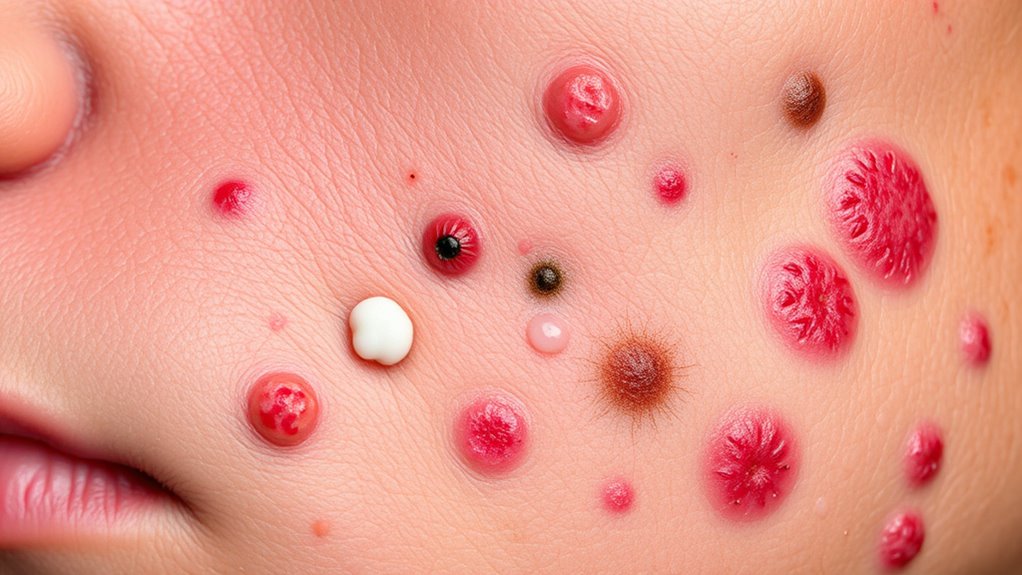

Acne comes in different types like whiteheads, blackheads, pimples, cysts, and nodules, caused by clogged pores, excess oil, and bacteria. Triggers include hormonal shifts from puberty, stress, or menstrual cycles, as well as using harsh products or poor skincare habits. To care for your skin, cleanse gently twice daily, stay consistent with suitable products, and protect against sun damage. Keep exploring to learn more about managing and preventing breakouts effectively.
Prime for Young Adults — start your free trial
Fast free delivery, streaming and member deals for eligible 18–24 year olds.
As an affiliate, we earn on qualifying purchases.
Key Takeaways
- Acne is primarily caused by hormonal fluctuations increasing sebum, leading to clogged pores and bacterial growth.
- Common types include whiteheads, blackheads, papules, pustules, and cysts, each with distinct features.
- Triggers such as hormonal shifts, stress, certain products, and environmental factors can worsen acne.
- A gentle skincare routine with proper cleansing, moisturizing, and sun protection helps manage acne.
- Severe or persistent acne may require professional treatment from a dermatologist for effective care.
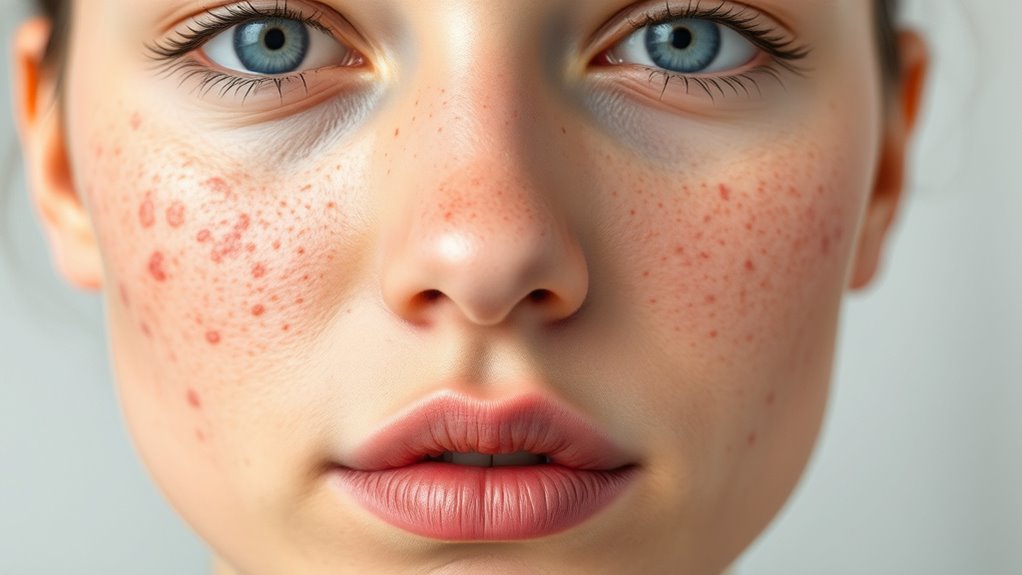
Have you ever wondered what causes acne? It’s a common question, and the answer involves a mix of factors, but hormonal fluctuations play a key role. When your hormones shift—especially during puberty, menstruation, pregnancy, or even stress—they trigger your skin’s oil glands to produce more sebum. This excess oil clogs pores and creates an environment where bacteria can thrive, leading to breakouts. Understanding these hormonal changes can help you better manage your skin and prevent flare-ups. It’s important to recognize that hormonal influences aren’t always within your control, but adopting a consistent skincare routine can help mitigate their effects. Cleansing twice daily with gentle products removes excess oil and dirt, preventing pores from becoming blocked. Using non-comedogenic moisturizers and avoiding harsh scrubs also keeps your skin balanced and less prone to irritation. By establishing these skincare routines, you give your skin a fighting chance against hormonal-induced acne.
Your skincare routine should be tailored to your skin type and specific needs. For example, if you tend to have oily skin, look for products containing salicylic acid or benzoyl peroxide, which help to clear out clogged pores and reduce bacteria. If your skin is sensitive, opt for calming ingredients like niacinamide or aloe vera. Consistency is key—skipping routines or switching products frequently can trigger more breakouts or irritation. Remember, over-washing or using aggressive products can strip your skin of its natural oils, prompting it to produce even more oil in response, which only worsens acne. Incorporate a gentle cleanser, a targeted treatment if needed, and a moisturizer suited for your skin type. Sun protection is also essential, as some acne treatments can make your skin more sensitive to UV rays. Using a broad-spectrum SPF daily helps prevent further damage and reduces the risk of post-inflammatory hyperpigmentation. Additionally, understanding home heating solutions can contribute to maintaining a healthy skin environment by ensuring proper indoor air quality and humidity levels, which can influence skin health.
Hormonal fluctuations and skincare routines are just parts of the puzzle, but they’re significant ones. Staying attentive to your skin’s responses and adjusting your routine accordingly can make a noticeable difference. It’s also helpful to keep a diary of your skin’s condition, noting when breakouts occur and what products you’re using. If hormonal causes seem to dominate your breakouts, consulting a dermatologist can provide additional options, such as hormonal therapy or prescription medications. Ultimately, managing acne involves understanding how your body reacts to hormonal shifts and being proactive with a skincare routine that supports your skin’s health. With patience and consistent care, you can keep breakouts under control and enjoy healthier, clearer skin.
As an affiliate, we earn on qualifying purchases.
Frequently Asked Questions
Can Diet Influence Acne Severity?
Your diet can definitely impact acne severity, as nutritional factors play a significant role. Eating foods high in sugar and dairy may trigger breakouts for some people, while a balanced diet rich in fruits, vegetables, and lean proteins can help reduce inflammation and improve skin health. Pay attention to how different foods affect your skin, and consider making adjustments to minimize flare-ups and support clearer skin.
Are There Natural Remedies for Acne?
Yes, you can try natural remedies like herbal treatments and essential oils to help clear acne. Tea tree oil has antibacterial properties, while witch hazel reduces inflammation. You might also use lavender or chamomile essential oils for calming your skin. Always dilute essential oils before applying, and do a patch test first. Incorporating these natural remedies into your skincare routine can support clearer skin without harsh chemicals.
How Do Hormonal Changes Affect Acne?
Hormonal fluctuations can markedly impact your acne by increasing skin oil production, which clogs pores and leads to breakouts. During times of hormonal change, like puberty, stress, or menstrual cycles, your body releases more androgens that stimulate oil glands. This excess oil traps dirt and bacteria, causing inflammation and pimples. To manage this, keep your skin clean, use non-comedogenic products, and consider consulting a dermatologist for targeted treatments.
When Should I See a Dermatologist?
When your skin shows stubborn, severe, or sudden breakouts, it’s time to see a dermatologist. Don’t delay if you’re battling blemishes despite diligent skincare routines or if acne myths make you doubt simple solutions. Early expert advice can help avoid scars, speed healing, and clarify your care plan. Remember, proactive action prevents problems from piling up, so seek professional support when your skin’s signals seem serious or persistent.
Can Stress Cause or Worsen Acne?
Yes, stress can cause or worsen acne by increasing hormone levels that stimulate oil production. When you don’t manage stress well, it affects your emotional health, leading to more breakouts. To help, practice stress management techniques like exercise, meditation, or deep breathing. Maintaining emotional health is essential for clearer skin. By reducing stress, you can help prevent acne flare-ups and support your skin’s overall health.
Conclusion
Understanding acne helps you take control of your skin. Remember, over 85% of teenagers experience it, but with proper care, you can minimize breakouts and boost your confidence. Stick to a gentle routine, identify your triggers, and don’t hesitate to seek professional advice if needed. Clearer skin is possible, and knowing the basics is your first step toward healthier, happier skin. You’ve got this—start today and embrace your best skin yet!
NFL season / tailgating Picks
team gear
As an affiliate, we earn on qualifying purchases.