
When mixing actives, focus on proper layering and pH compatibility. Water-based serums like hyaluronic acid can be layered with vitamin C, but avoid applying niacinamide immediately after vitamin C to prevent neutralization. Be cautious with acids (AHA/BHA) and potent ingredients to prevent irritation. Allow time between applying different pH levels and always follow product instructions. If you keep these tips in mind, you’ll maximize benefits and reduce risks—learn more about safe combinations below.
Key Takeaways
- Pair water-based serums like hyaluronic acid with oils or creams, applying lighter formulas first.
- Use vitamin C in the morning and niacinamide at night to reduce irritation and maximize benefits.
- Avoid mixing acids (AHA/BHA) with potent actives unless properly layered with waiting periods.
- Be cautious when combining vitamin C (pH ~3.0) with niacinamide (pH ~5.0-7.0) to prevent neutralization.
- Always follow product instructions, patch-test new combinations, and wait between applications for pH stabilization.
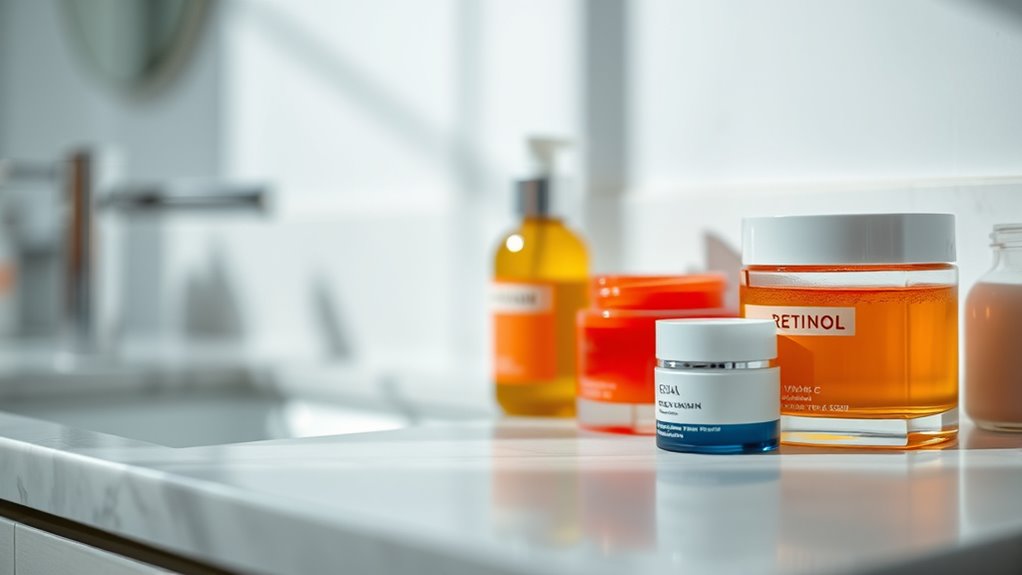
Have you ever wondered if you can safely mix different skincare actives? The truth is, it depends on several factors, especially pH compatibility and layering techniques. Understanding how these elements interact can help you avoid irritation and maximize the benefits of your routine. When combining actives, knowing their pH levels is vital because many ingredients perform best within specific pH ranges. For example, vitamin C (ascorbic acid) is most effective at a low pH, around 3.0, while niacinamide prefers a neutral pH of about 5.0 to 7.0. Mixing these without proper attention could render one or both less effective or cause irritation. As a result, you should consider layering techniques—applying products in the correct order to prevent negative interactions. Typically, lighter, water-based formulas go first, followed by heavier creams or oils. If you’re using actives that have contrasting pH requirements, wait a few minutes between applications to allow the pH to stabilize. This pause helps prevent them from neutralizing each other or causing skin irritation.
Some combinations are generally safe if you follow proper layering techniques. For instance, hyaluronic acid can be layered underneath or after other actives because it’s pH-neutral and hydrating. Retinoids, which are stable across a broad pH range, can usually be incorporated into your routine with minimal issues, especially if you apply them after lighter serums. However, certain combinations should be avoided or used with caution. For example, pairing vitamin C with niacinamide used simultaneously was once thought to cause skin flushing or breakouts, but recent studies suggest they can be compatible if formulated correctly. Still, applying them at different times—perhaps vitamin C in the morning and niacinamide at night—reduces the risk of irritation. Additionally, mixing acids like AHAs or BHAs with other potent actives can increase sensitivity or cause burning if not carefully layered or if pH compatibility isn’t maintained.
Ultimately, understanding pH compatibility and implementing proper layering techniques allows you to combine actives safely. Pay attention to product instructions and consider spacing out potent ingredients. When in doubt, patch-test new combinations or consult with a dermatologist. This approach guarantees you get the maximum benefits from your skincare routine without risking irritation or diminishing the efficacy of your actives. Mastering these principles makes your skincare more effective and helps you achieve healthier, clearer skin.
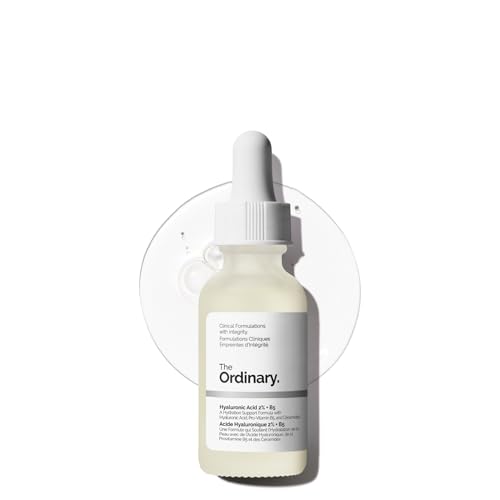
The Ordinary Hyaluronic Acid 2% + B5 (with Ceramides), Multi-Depth Hydration Serum for Plumper, Smoother Skin, 1 Fl Oz
INSTANT HYDRATION: Provides immediate, long-lasting hydration for smoother, plumper, and healthier-looking skin.
As an affiliate, we earn on qualifying purchases.
As an affiliate, we earn on qualifying purchases.
Frequently Asked Questions
Can I Mix Retinol With Acids in My Skincare Routine?
You can mix retinol with vitamin C, but it’s best to apply them at different times to minimize irritation. Niacinamide pairs well with retinol and acids like alpha hydroxy acids, so you can use them together in a routine. However, avoid using strong acids and retinol simultaneously, as this can cause irritation. Always patch test new combinations to see how your skin reacts.
How Do I Know if My Actives Are Compatible?
You can tell if your actives are compatible by paying attention to ingredient pairing and your skin’s response. If your skin reacts with redness, irritation, or breakouts, it’s a sign they may not work well together. Generally, look for ingredients that complement each other and avoid combining harsh actives like retinol and strong acids unless your skin tolerates them. Always patch test new combinations to confirm skin compatibility.
Are There Any Natural Alternatives to Chemical Actives?
Yes, you can explore natural alternatives like plant-based extracts and herbal remedies. These options often offer gentle yet effective skincare benefits without harsh chemicals. Look for ingredients like aloe vera, chamomile, green tea, or chamomile, which soothe and nourish your skin. While natural, make certain to patch-test new remedies first to avoid any allergic reactions. Incorporating these herbal remedies can be a safe, holistic approach to your skincare routine.
What Should I Do if I Experience Irritation From Mixing Actives?
If your skin throws up a red flag, treat it like a warning bell—stop using the actives immediately. For sensitive skin, it’s essential to do ingredient testing before mixing new products. Gently soothe irritation with a calming moisturizer and avoid harsh scrubs. Think of your skin as a delicate garden; give it time to heal and only reintroduce actives with caution, ensuring they’re compatible and gentle.
How Often Should I Rotate Different Active Ingredients?
You should rotate your active ingredients every few weeks to prevent skin irritation and maintain product efficacy. When doing so, consider product layering, ensuring ingredients are compatible to avoid destabilizing their stability. Avoid switching too frequently, as this can confuse your skin. Instead, give each active enough time to work effectively, and always pay attention to how your skin responds to each change to keep it healthy and balanced.

Premium 20% Vitamin C Serum For Face with Hyaluronic Acid, Retinol & Amino Acids – Boost Skin Collagen,Hydrate & Plump Skin, Anti Aging & Wrinkle Facial Serum 60ml
Plant Based Formulation – Free of synthetic color additives, fragrance, and stabilizers, dynamic active botanicals like Aloe Vera,…
As an affiliate, we earn on qualifying purchases.
As an affiliate, we earn on qualifying purchases.
Conclusion
Now that you know what actives to mix and what to skip, you’re better equipped to craft a safe, effective skincare routine. Remember, don’t bite off more than you can chew—start slow and listen to your skin’s signals. Patience pays off, and with the right pairings, you’ll see the glow you’re after. Keep the balance right, and your skin will thank you for playing it smart, not rushing into the deep end.

The Ordinary Niacinamide 10% + Zinc 1%, Smoothing Serum for Blemish-Prone Skin, 1 Fl Oz
BOOSTS BRIGHTNESS & SMOOTHNESS: Niacinamide 10% + Zinc 1% visibly improves skin radiance and smooths texture in one…
As an affiliate, we earn on qualifying purchases.
As an affiliate, we earn on qualifying purchases.

The Ordinary AHA 30% + BHA 2% Peeling Solution, Advanced Exfoliating Peel for Brighter Skin, 1 Fl Oz
ADVANCED EXFOLIATION: AHA 30% + BHA 2% Peeling Solution deeply exfoliates to reveal brighter, smoother skin.
As an affiliate, we earn on qualifying purchases.
As an affiliate, we earn on qualifying purchases.